Tag Archives: wine blog
Winemaker Interview – David Ramey of Ramey Cellars
Comments Off on Winemaker Interview – David Ramey of Ramey Cellars
Filed under Bordeaux/Meritage Blend, Chardonnay, Napa Valley, Sonoma County, U.S. Wines by Region, Wine by Varietal, Wine Education, Wine Tasting, Wine Tasting Notes, Winemaker Interview
The Best Red Wine Varietals in the World?
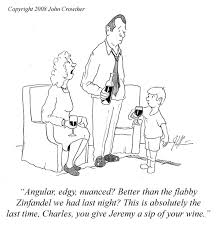
Can One Grape Variety Be Better Than Another?
This statement is likely to irritate a few folks, but in my opinion, one can make an argument supporting this thinking. It also plays squarely into my pet peeve in the industry – lack of focus on evaluating structure, balance and texture in wine. So, which varietals capture these characteristics better than others? Let’s tackle red varietals… Balance is definitely most affected by the winemaker, so we will drop this from consideration. Structure and texture come primarily from the fruit, making it easy to focus the discussion on these two areas. Which varietals produce the most structured, textured wines in the world?
What is Structure?
Structure is the “backbone” of the wine. It is what gives the wine an impression of being complete, or without missing components. In red wine, the components of structure are: tannins, acidity, alcohol and phenolic development. The opposite of a structured wine is a “flabby” wine, or one missing these components.
What is Texture?
Texture is more nuanced. The mouth perceives texture in ways you would not expect. For example, higher alcohol wines can appear to be heavier bodied in the mouth, but intellectually that may be hard to accept. Texture is influenced by the same components as Structure, but instead of the amount, it is more about the character of these components. With Tannins, it is about the attack of the tannins in the mouth. Are they dusty, grainy, fine, soft, mouth-filling? With Acidity, it is a yes, or no proposition. Is there enough acidity to make the mouth water? With Alcohol, it is about adding body with just enough bite to affect Structure, but not too overpowering to throw off the balance. Phenolic development is the wild card. Some varietals can develop the type of phenolics, when properly extracted during winemaking, to leave a slight coating on the interior of the mouth that is quite pleasant.
Terroir and Its Affect
As usual, Terroir factors into everything when discussing wine. In this case, making the evaluation much more difficult. Cabernet Franc dominated wines from Bordeaux and Napa come close to being included on this list, but when produced in areas like Chinon, fall far short. Malbec dominated wines from Cahors could easily qualify, but from Mendoza not so much. Merlot from Bordeaux’s Right Bank would be a shoo-in, but from Central California… ugh! Why? Because these varietals are heavily dependent on optimum terroir to express themselves properly. Another way to explain it: these are fickle varieties that must be grown in the right location and nurtured properly to produce quality wine.
The List
Which grape varietals consistently produce the most structured, complex and textured wines in the world?
Cabernet Sauvignon – The Grand Daddy of the Noble Grape family. Produces wines like this in virtually every location it is grown.
Carignan – The unsung “lost” Bordeaux varietal. Produces great reds.
Tannat – Holy Cow! The biggest structured red on the planet!
Anglianico – One of the oldest grape varieties in the world and the least appreciated.
Syrah – I have run into a few that have been flabby, but 95% have been solidly in this category.
Honorable Mention
Nebbiolo – The quintessential structured red variety, but only when grown in Barolo and Barbaresco. The most ageable of all the red varieties.
Corvina – Doesn’t apply… might be included as Amarone. Made from grapes that are dried first, before being made into wine.
Sangiovese – Inconsistent in the Chianti regions and only reaches its fullest potential in Brunello.
Touriga Nacional – This is the Grand Papa grape of Portugal and is rarely grown anywhere else. Which is the reason it did not make the list.
Tempranillo – THE Spanish red varietal produces huge wines in Spain, but falls far short, most everywhere else it is grown.
Petit Verdot – The ultimate blending grape. This would have been a good addition to the list, BUT when bottled on its own… is almost undrinkable. I am convinced it is impossible to make a balanced Petit Verdot.
Additional Thoughts
I am sure folks will want to know why this, or that varietal is missing: for example Pinot Noir. Pinot makes the most beautiful, nuanced wines in the world, but definitely not the most structured. Any others that you do not see here are either, more obscure varieties that I have not tasted, or are varieties that are too dependent on location and winemaking style to produce structured, textured wine consistently.
HAPPY NEW YEAR!
Filed under Wine Education, Wine Tasting
Follow-up to: “Cabernet Sauvignon Blend Comparison”
A few comments from readers outside the U.S. highlighted the cultural bias I showed in this piece. So, for my readers outside the U.S., I decided to write a follow-up with that in mind…
I have written before about cultural differences and how it affects wine culture and wine jobs around the world. It is difficult to shed the result of our up-bringing. My point has always been – evaluating the quality of a wine is the same around the world, but whether it is enjoyed with or without food… or which foods pair best to local palates – are not simple questions with easy answers.
Cultural “Liberties”
I took many cultural “liberties” in the previous piece, assuming a shared understanding. Also, I SHOULD have offered an evaluation regarding the best wine-food pairing… As a starting point, keep in mind, all four wines were essentially Bordeaux style blends, the wines were similar in profile and this style of wine pairs well generally with red meat.
When I hold a tasting of varietally similar wines like these, it definitely allows a focus on evaluating structure and balance vs. flavors/aromas. A more technical approach, but one I prefer. If you read my tasting notes, I ALWAYS discuss the structure and balance of the wine – regardless of the pairing. I tend to evaluate wines based on how well they are made vs. how much I enjoy them. This is the FIRST concept I was taught in formal Sommelier training. The French wine was BY FAR the best balanced wine at the table. So, in a tasting of similar style wines, it offered the best wine-food pairing of the four. Which wine did I enjoy the most without food? The 1993 Beringer Private Reserve.
In my opinion, this “Cultural Bias” is the biggest challenge that a wine professional can face when trying to bridge the chasm between Old and New World locations: accommodating the local wine culture. This affects every discipline in the wine industry, affecting how the wine is made, how it is marketed, serving decisions… Perhaps, this thinking explains the importance of an involved U.S. importer to a European producer.
Cultural Differences
In the U.S., it is more common to enjoy wine without food. One of the challenges I had to overcome in my training, but it also affects how I approach evaluating wine for my U.S. audience. I believe there are a few ideas differentiating wine drinkers in the U.S. from many other locations around the world:
1) A significant share of the wine consumed in the U.S. is enjoyed before, or after dinner, without food.
2) Americans are looking for a less formal and relaxed wine experience.
3) When paired with food, wine flavors should enhance food flavors, rather than just complement the flavors. Wine is not often consumed primarily to clear the palate as is common in Europe.
In closing, I was asked for a better description of the food prepared and enjoyed with the wines. So, here it is:
Beef Short Ribs – braised with a balsamic reduction for 3 hours in a pressure cooker. They were rich, meaty, and very tender.
Mac & Cheese – a uniquely American comfort food. This is an extremely rich pasta dish made with butter, cream and lots of cheese. In this case we made the pasta from scratch vs. pre-packaged.
Succotash – another uniquely American dish. A mixture of corn, butter beans (we subbed cannelloni) and okra (we subbed zucchini) in a light butter sauce with salt pork flavoring.
Filed under Food Pairing, Wine Education, Wine Industry, Wine Tasting
Cabernet Sauvignon Blend Comparison
See a follow-up to this post at: https://coolclimatewine.wordpress.com/2014/12/28/follow-up-to-cabernet-sauvignon-blend-comparison/
Tasted Friday, December 26, 2014
I selected one each Bordeaux, Napa and Tuscan Cabernet Sauvignon blend to pair with dinner for this get-together. We invited friends over for a meal of braised beef short ribs, home-made mac & cheese with gruyere & cheddar sauce and succotash. All the wines paired extremely well with the meal served.
The Le Petit Haut Lafitte was the standout of the night. This was extremely well-balanced, with good structure and had a very pretty, refined character that spoke of a well-made wine. A mix between Old and New World with a fruit-forward palate.
The surprise of the night was the ’93 Beringer. Wow, what a great aged Napa Cab. Just an excellent bottle-aged wine. This wine was made to age well and actually has a few years left in it, if anyone has this in their cellar… it isn’t dead yet!
FLIGHT 1 – CABERNET SAUVIGNON BLENDS (4 NOTES)
All great choices and enjoyed by all!
USA, California, Napa Valley
After one hour decant. This was the most surprising wine of the night. At 21 years old this bottle was singing! The nose showed plum, blackberry, black cherry, graphite and earth. The freshness of fruit on the palate was nothing short of amazing for a ’93. The palate followed the nose with beautiful fruit. The structure was spectacular for an aged wine, with medium-high tannins, good acidity and well-integrated alcohol. Nice mid-palate of tobacco that added complexity, but the mouth-feel is what got me. The balance was good and the tannins had a great velvety texture that filled the mouth. It needed more layering of flavors and a stronger finish to move in to the exceptional category though. This wine actually has a few more years under its belt! This is my first Napa cab sauv that has stood-up well to 20 years of bottle aging.
France, Bordeaux, Graves, Pessac-Léognan
After one hour decant. This was the most spectacular wine of the evening. It was extremely well-balanced, with a refined, classically old world character… while still being fruit forward. The wine showed great QPR and is a substantial effort for a second label. Plum, blackberry, creme brulee, tobacco and earth were on the nose. The palate follows the nose. The wine is very accessible for only five years in the bottle. I would suggest your prime drinking window to be 2016-2018. I don’t believe this wine will age successfully beyond that. Everyone at the dinner agreed this was the best wine of the evening. With medium-high tannins and strong acidity the structure was spot-on. The alcohol was noticeable, but did not dominate. This contributed to a superb pairing with braised short ribs. This is the best value I have tasted from Bordeaux in a long time.
USA, California, Napa Valley
After 30 min. decant. Popped this half bottle looking to see how close this wine is to its drinking window. This needs another few more years. The nose is full of plum and rich red tomato. The palate is fruit forward with plum and blackberry moving to a hint of tomato. Nice spicy character leaning towards cinnamon and clove. The wine had medium-high tannins with very high acidity. It was slightly hot and not integrated enough yet to be well-balanced. This was definitely starting to move towards a soft mouth-feel. I enjoyed this now, but believe it will be much better when I pop the next bottle in a couple of years.
Italy, Tuscany, Toscana IGT
After 60 min. decant. This improved with more time in the glass. Fruit on the nose was of cherry and plum with vanilla and herbal mint. The nose was too hot to really enjoy. The palate followed the nose. Medium-high tannins and high acidity for good structure, but not well-balanced. The alcohol was very noticeable. The other characteristics were a little out of kilter. I will save the next bottle for a couple of years, hoping it will come together.
Comments Off on Cabernet Sauvignon Blend Comparison
Filed under Bordeaux, Bordeaux/Meritage Blend, French Wine, Italian Wine, Napa Valley, Super Tuscan Blend, Toscana, U.S. Wines by Region, Wine Tasting, Wine Tasting Notes
Obama Serves Hollande “CHEAP” U.S. Wine
This title is quoted verbatim from the “The Drinks Business” online magazine as one of the Top Ten Most Important Wine Stories of 2014… see the whole article here:
http://www.thedrinksbusiness.com/2014/02/obama-serves-hollande-cheap-us-wine/
Trade Periodicals Trashing Their Own Industry?
What is wrong with a periodical that would publish a piece like this? This is the attitude that validates the snobby reputation holding the wine industry back here in the U.S. The beer or spirits industries would never generate a piece like this…

Your Reaction
How did you react when you read this? Personally, I started steaming out the ears… Does wine have to be expensive to be good? UGH, no of course not! The wines selected by the White House were fine. Did they need to serve Harlan Estate, Cayuse, or Bond at $200-$500/btl. to show a representative selection of U.S. wines? If The Drinks Business had done some background research, they would have found the winemakers at these wineries all to be ex-pats from France who have been successful in America. That is the more important message here. Obama hit the nail right on the head. While I may not agree with all of Obama’s politics, he does seem to demonstrate an excellent grasp of how to build a message.
Someone Had to Refute this Piece
There should have been more outrage from the industry regarding this. Please join me in sending an email to this periodical and expressing your displeasure with this kind of reporting. You can send an email to: info@thedrinksbusiness.com.
This piece not only missed the entire intent of the Obama staff and why they chose these wines, but also violated the most basic tenet of our industry: there is excellent value in wines all over the world! I am so tired of the high-brow approach to wine prices. The wine world does not revolve around premium wines from Bordeaux, France and Napa, CA only!
U.K. versus U.S.
I hope The Drinks Business does not reflect wine attitudes in the U.K. Wine should be accessible. This is especially good advice for European wine producers who want to capture more of the U.S. market. Without much exposure to the wine industry in Europe, others will have to comment on the culture there, but I can assure you in the U.S. – even the most ardent collectors are mostly down-to-earth people who enjoy a relaxed wine atmosphere, without the hype.
Filed under Wine Critics, Wine Education, Wine Industry
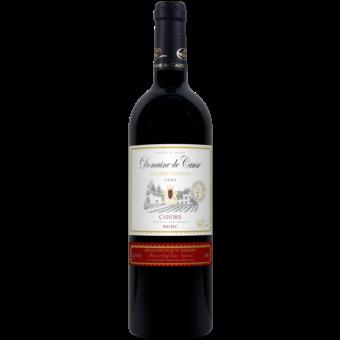
2009 Domaine de Causes La Lande Cavagnac
 =
=
Domaine de Causes La Lande Cavagnac
France, Cahors
Wine Tasting Note:
Second opportunity to taste a French Malbec from its place of origin. The best Argentine Malbecs are bigger and rounder than this, but I enjoyed the more classic approach as a counterpoint to the Argentine version… more acidity and tannins, less fruit and a lighter texture. I would recommend this as a representative example of a different style of Malbec.
30 minute decant. Deep violet tinted purple color. The nose is weak, mostly a menthol and alcohol character. Fresh blackberry on the attack disappearing quickly and moving to black currant and tar on the mid-palate with a medium length bitter finish. I enjoyed the mouth-filling tannins and medium-high acidity. The texture started silky then quickly becomes watery. The structure was good, but the balance was off. Nevertheless, a good selection to pair with red meat and rich red sauce pastas.
Comments Off on 2009 Domaine de Causes La Lande Cavagnac
Filed under Cahors, French Wine, Malbec, Wine Tasting, Wine Tasting Notes
Passion and the Human Endeavor
Comments Off on Passion and the Human Endeavor
Filed under Business, Wine Education, Wine Industry, Wine Tasting
Breaking Down Winemaking Styles
During a recent trip to Napa-Sonoma, California, I had the opportunity to interview several winemakers and talk with tasting room managers in the premium wine segment. The discussion produced a large amount of material, but a few ideas stood out. One question continued to run over and over in my mind: does a winery begin with some sort of vision for the final product? If so, how does it come to be…
Is Wine Style Part of the Business Plan?
**INSERT Dilbert cartoon HERE** ©Scott Adams
Folks, I am not able to include this Dilbert cartoon, but you simply must click on this Link and check it out. Funny stuff and right on point for this commentary. This cartoon was excerpted from: Washington Business Journal, “Is your vision statement for real?”, Mar 17, 2011, Link Here. Good read! Unfortunately, even non-profit commentary use must still respect creative property!
The Vision
In the over $25/btl retail segment, I would say the wine itself easily contributes 2/3 (or more) to the brand identity. Can you develop a brand, without developing a vision for the product? I find this kind of discussion fascinating…
Is it important for employees and customers to understand that vision?
Should a Winery Have a “Wine Style”?
Every winery has a story to tell that differentiates them from the thousands of other producers in the marketplace. That story is the cornerstone of each label. So, what does this have to do with winemaking? Everything! The questions posed in these interviews uncovered a glimpse into that underlying vision and ultimately how they wish their wines to be perceived by both their own organization and the consumer.
Why would an owner choose the difficult premium wine segment of the market in the first place? There must be a calling, or a passion driving that decision? Framing that story in a way that can capture a wine enthusiast’s imagination… is a message worth crafting. So, where could wine style fit into this picture? In this price category, more than any fancy, gimicky label design, or strategic marketing plan, the wine itself defines the brand. If this thinking is sound, then the style of wine produced IS the winery’s identity. Following this logic, finding a way to bring the story behind making the wine directly to the consumer is absolutely critical to building the brand. If you look at wineries in this way, what stories do they have in common? After interviewing enough winemakers / owners, you start to see commonalities. In my opinion, the choice of wine style seems to manifest in one of three different ways:
1. Begin With the Quality of the Fruit – Wine should express the character of the fruit and Terroir
- This is the winemaker as viticulturist view. Requires an emphasis on the wine growing. With a complementary view of nurturing the vines to produce supreme quality fruit. This is best implemented in an estate winery situation.
Impact on the Wine – Tends to add complexity and layering of flavors. These wines often have a more defined mid-palate. This style is frequently made to be fruit-forward and emphasizes clarity and freshness. This approach will usually drive good structure, but may not emphasize balance and often has a varietally correct flavor profile. This style is typified by the winemaker as farmer – often with formal training in biology, botany, or agriculture and the winemaker leans heavily on learning his trade through internships and experience.
2. Begin With Analyzing the Fruit – Better wine through better chemistry
- This is the winemaker as technologist view. Monitor and measure everything. Wine is a mixture of chemical components and the optimum desired profile can be identified and reproduced.
Impact on the Wine – Brings more consistent quality. These wines tend to focus on correct ratios. There is rarely a desired component missing, but the product can often lack finesse. Tannins, acidity, alcohol, phenolic development all carefully measured to arrive at the optimal formula generally accepted by the industry. This style is typified by the winemaker with a UC Davis MS in Enology, who has taken the technological training completely to heart.
3. Begin at the End – Start with a clear vision for the final product
- This is the winemaker as artist view. Where the winemaker is the star and bringer of quality. This demands a winemaker as leader, who can leverage a history of experience, knowledge and technique to drive the wine to match his vision.
Impact on the Wine – These wines tend to be either elegant and composed, or knock your socks off with a focused over-the-top approach. Focusing on the elegant approach… Whether, or not the fruit is up to muster, these winemakers find a way to make the wine balanced and have great mouth-feel. These most often are classically styled wines, with good structure, acidity, tannins and texture. Flavors and aromas are less of an emphasis. This style is typified by the winemaker as the leader and star – having a decade, or two of experience, always knowing the right decision to make, regardless of vintage variation.
Most wineries mix some combination of these ideas, but one of these philosophies typically shines through.
Does One Style Produce Better Wine?
The answer is most definitely no, but the wines within each style category do tend to have similar characteristics. I enjoy wines in my cellar from producers that fall into all three categories, depending on my mood.
As a consumer, does identifying the story behind your favorite winery matter?
This time the answer is most definitely yes. If you are like myself and many of the wine enthusiasts I know, we enjoy quality wines, but like to vary flavors and styles. You may recognize these different styles in your favorite wines.
I have always found this to be sound advice: “The key to finding new wines you are likely to enjoy, is to track the winemakers and vineyards.” Pay attention to this information for your favorite wines and it will help you find other labels worth trying. Connecting to the story behind your favorite winemakers and favorite vineyards can make your wine appreciation much richer.
Filed under Wine Education, Wine Industry, Wine Tasting, Winemaker Interview
2014 Napa–Sonoma Winemaking Trends
Source Material
I have interviewed 12 winemakers from the area by phone and in-person over the past few months. Many have been from very well-known, high-profile producers. The material has provided a few new perspectives. Some of these observations may only apply to estate wineries where there is more control over wine growing strategies, while others are specific to the winemaking. I will not compare individual winemakers, or wineries. It would be an injustice to each of them. Although, I will be making an effort to tell each of their stories in separate pieces later.
Recent Winemaking Trends in Premium Wines
More Block Harvesting and Corresponding Small Lot Fermentation
I am running into this strategy at more estate wineries and if they are not already doing it, they are thinking about it. Separately fermenting smaller, individually harvested, vineyard lots is happening more in this region than ever before. Wineries are making a major investment in large numbers of smaller fermentation tanks, moving away from the full harvest approach and much larger tanks. This trend is allowing winemakers to more effectively capture the individual character of fruit grown within differing micro-terroirs in individually fermented batch lots used for later blending.
Impact on the Wine – Improved complexity and structure. Isolating individual characteristics from the fruit to bring a greater sense of unique “place” to the wine.
Winemakers Exerting Greater Influence on Viticulture
Estate Winemakers are insisting on more input into the decisions in the vineyard. They are investigating different micro-climates and soil types on a much smaller scale than ever before. This trend is increasing their influence with viticultural decisions that affect the final product such as: separate farming and harvesting of individual vineyard blocks, row orientation, irrigation and pruning strategies (or lack of), etc.
Impact on the Wine – Better planning to accommodate vintage variation. Ability to experiment with vineyard practices that can compliment the style of wine being made.
Varying the Harvest Timing with Small Block Harvesting
This is a bit controversial, but I am hearing it being discussed more. Harvest timing is one of the major decisions affecting the wine. It can effect tannins, acidity and phenolics… blending individual lots harvested at different times can change many characteristics of the final product, for example:
- Tannins – Earlier harvest can make tannins more rustic. Also, the ripeness of the pips can have a huge impact on the texture of the tannins (dusty, grainy, rounder, etc.).
- Acidity – Earlier harvest can often provide increased acidity.
- Phenolics – This is the touchy-feely area of this practice. Identifying the preferred level of phenolic development is as much art, as science, but there is no doubt ripeness affects this category too.
- Sugar – Harvest timing will effect the amount of sugars in the juice.
Impact on the Wine – Virtually all aspects of the wine’s character are potentially affected by this.
Less Interaction with the Wine During Production
This philosophy is leading to experimentation. Here are a few techniques that are being used, or discussed more frequently:
- More wineries are moving to automated pump-over closed tank fermentation, versus open container punch-down. Some industry folk say punch-down “shocks” the wine. I have been paying closer attention to this in the past year, after seeing its widespread use during a trip to Italian wine country last year.
- Lots of discussion going on regarding the need for extended cold-soak prior to ferment to extract color.
- More natural yeast fermentation, instead of inoculation.
- Lighter pressing of the fruit. One winemaker talked of just using gravity to press the first-run juice.
- Skipping removal of the lees after ferment and waiting until a later date to separate the wine.
- Controlling temperature to slow down the duration of the ferment.
- Less fining and filtering, which reduces the amount of pumping and moving of the wine.
Impact on the Wine – The intangibles seem to be most affected by this approach. These techniques may soften the attack of the wine, add elegance and affect mouth-feel.
Extended Maceration for Red Wine
This relates to extending the contact of the wine with the skins and sometimes the lees and/or stems. I actually spoke to one winemaker that talked of 60 days for ferment and maceration. The more traditional thinking is 10-15 days… This is expensive for wineries. It requires either investment in more fermentation tanks, or reducing capacity for production. Several winemakers spoke of wanting to experiment with this for whites too.
Impact on the Wine – Differing opinions on this, but for my palate, it changes the character of the tannins substantially and at the same time adds complexity. I am not sure there is more extraction, but it definitely affects the texture.
Whole Cluster Fermentation for Red Wine
This technique requires using the whole grape cluster (stems and all) for the ferment, rather than the usual de-stemmed berries. Almost all winemakers I talked to were including a percentage of their blend with wine fermented this way. Several winemakers claimed that a whole cluster ferment by definition will add natural carbonic maceration to the mix. Some of these wines do appear to be more aromatic…
Impact on the Wine – It may add more of a mid-palate to some wines. Often, these wines seem to have a fresher, fruitier character (carbonic maceration?). Bottom line, these wines ARE more complex, but better complex? Some winemakers claim it has much to do with the terroir. Apparently, some terroirs do not produce fruit that works well with this process.
Focus on Balance
Ah, the holy grail of wine! For so many years Napa producers have been known for their big, extracted, high alcohol cabs. I think the pendulum is finally starting to swing back a bit. While these producers will never move back to the true French Bordeaux style, more winemakers are talking of balance and I am starting to taste it in more Napa wines. A beautiful trend!
Conclusion
It is so good to see sophisticated wine palates (winemakers) changing the decisions being made in the vineyard. While vineyard management is certainly farming, having a trained palate influencing the approach for each individual block and making adjustments for each vintage… is a very, very good thing for the industry.
Many of these techniques and ideas have been around the industry a very long time, but tend to be newly adopted in areas of California. To be fair, not all winemakers are fans of this direction and produce fantastic wines anyway. A clear indication of how much there is still to learn, about growing and making wine.
Why are following these trends important?
- For Wine Enthusiasts – It may help you:
- Identify techniques that produce wines you prefer
- Build a dialogue with your favorite wineries
- Understanding a winery’s approach, may help you to understand which labels match your palate
- For Industry Professionals – Understanding how influential wine producing regions are changing their thinking is important to:
- Wine pairing decisions
- Building context for a strategy to develop a commercial wine list representative of a broad range of styles
- A glimpse into the future of where the industry is headed
P.S. – I hope folks are enjoying these kind of pieces. I don’t see much written that tries to make the technical more accessible and relevant to the public audience. HAPPY HOLIDAYS AND BEST WISHES TO YOU AND YOUR FAMILIES!
Filed under Wine Education, Wine Industry, Winemaker Interview


 Douglas Levin - Trained, Certified Advanced Sommelier and Wine Writer
 Cool Climate Wine
Why Start a Blog?
Finding an Audience
The Message
Thank YOU
I appreciate all of you that have stopped by this site in the past year, or two and found something of interest. It is difficult to feel justified as a writer, unless someone is reading your words. I can accept that committing to this direction for the blog may not have the potential to find the largest audience, but it DOES follow my passion. A trade-off that seems well-made…
HAPPY HOLIDAYS and BEST WISHES FOR A HAPPY, HEALTHY NEW YEAR!