Tag Archives: fine wine

Cabernet Sauvignon Blend Comparison

See a follow-up to this post at:  https://coolclimatewine.wordpress.com/2014/12/28/follow-up-to-cabernet-sauvignon-blend-comparison/

Tasted Friday, December 26, 2014

INTRODUCTION

I selected one each Bordeaux, Napa and Tuscan Cabernet Sauvignon blend to pair with dinner for this get-together. We invited friends over for a meal of braised beef short ribs, home-made mac & cheese with gruyere & cheddar sauce and succotash. All the wines paired extremely well with the meal served.

The Le Petit Haut Lafitte was the standout of the night. This was extremely well-balanced, with good structure and had a very pretty, refined character that spoke of a well-made wine. A mix between Old and New World with a fruit-forward palate.

The surprise of the night was the ’93 Beringer. Wow, what a great aged Napa Cab. Just an excellent bottle-aged wine. This wine was made to age well and actually has a few years left in it, if anyone has this in their cellar… it isn’t dead yet!

FLIGHT 1 – CABERNET SAUVIGNON BLENDS (4 NOTES)

All great choices and enjoyed by all!

USA, California, Napa Valley

After one hour decant. This was the most surprising wine of the night. At 21 years old this bottle was singing! The nose showed plum, blackberry, black cherry, graphite and earth. The freshness of fruit on the palate was nothing short of amazing for a ’93. The palate followed the nose with beautiful fruit. The structure was spectacular for an aged wine, with medium-high tannins, good acidity and well-integrated alcohol. Nice mid-palate of tobacco that added complexity, but the mouth-feel is what got me. The balance was good and the tannins had a great velvety texture that filled the mouth. It needed more layering of flavors and a stronger finish to move in to the exceptional category though. This wine actually has a few more years under its belt! This is my first Napa cab sauv that has stood-up well to 20 years of bottle aging.

France, Bordeaux, Graves, Pessac-Léognan

After one hour decant. This was the most spectacular wine of the evening. It was extremely well-balanced, with a refined, classically old world character… while still being fruit forward. The wine showed great QPR and is a substantial effort for a second label. Plum, blackberry, creme brulee, tobacco and earth were on the nose. The palate follows the nose. The wine is very accessible for only five years in the bottle. I would suggest your prime drinking window to be 2016-2018. I don’t believe this wine will age successfully beyond that. Everyone at the dinner agreed this was the best wine of the evening. With medium-high tannins and strong acidity the structure was spot-on. The alcohol was noticeable, but did not dominate. This contributed to a superb pairing with braised short ribs. This is the best value I have tasted from Bordeaux in a long time.

USA, California, Napa Valley

After 30 min. decant. Popped this half bottle looking to see how close this wine is to its drinking window. This needs another few more years. The nose is full of plum and rich red tomato. The palate is fruit forward with plum and blackberry moving to a hint of tomato. Nice spicy character leaning towards cinnamon and clove. The wine had medium-high tannins with very high acidity. It was slightly hot and not integrated enough yet to be well-balanced. This was definitely starting to move towards a soft mouth-feel. I enjoyed this now, but believe it will be much better when I pop the next bottle in a couple of years.

Italy, Tuscany, Toscana IGT

After 60 min. decant. This improved with more time in the glass. Fruit on the nose was of cherry and plum with vanilla and herbal mint. The nose was too hot to really enjoy. The palate followed the nose. Medium-high tannins and high acidity for good structure, but not well-balanced. The alcohol was very noticeable. The other characteristics were a little out of kilter. I will save the next bottle for a couple of years, hoping it will come together.

Comments Off on Cabernet Sauvignon Blend Comparison

Filed under Bordeaux, Bordeaux/Meritage Blend, French Wine, Italian Wine, Napa Valley, Super Tuscan Blend, Toscana, U.S. Wines by Region, Wine Tasting, Wine Tasting Notes

Obama Serves Hollande “CHEAP” U.S. Wine

This title is quoted verbatim from the “The Drinks Business” online magazine as one of the Top Ten Most Important Wine Stories of 2014… see the whole article here:

http://www.thedrinksbusiness.com/2014/02/obama-serves-hollande-cheap-us-wine/

Trade Periodicals Trashing Their Own Industry?

What is wrong with a periodical that would publish a piece like this?  This is the attitude that validates the snobby reputation holding the wine industry back here in the U.S.  The beer or spirits industries would never generate a piece like this…

angry-obama

Your Reaction

How did you react when you read this? Personally, I started steaming out the ears…  Does wine have to be expensive to be good?  UGH, no of course not!  The wines selected by the White House were fine.  Did they need to serve Harlan Estate, Cayuse, or Bond at $200-$500/btl. to show a representative selection of U.S. wines?  If The Drinks Business had done some background research, they would have found the winemakers at these wineries all to be ex-pats from France who have been successful in America.  That is the more important message here.  Obama hit the nail right on the head.  While I may not agree with all of Obama’s politics, he does seem to demonstrate an excellent grasp of how to build a message.

Someone Had to Refute this Piece

There should have been more outrage from the industry regarding this.  Please join me in sending an email to this periodical and expressing your displeasure with this kind of reporting.  You can send an email to:  info@thedrinksbusiness.com.

This piece not only missed the entire intent of the Obama staff and why they chose these wines, but also violated the most basic tenet of our industry:  there is excellent value in wines all over the world!  I am so tired of the high-brow approach to wine prices.  The wine world does not revolve around premium wines from Bordeaux, France and Napa, CA only!

U.K. versus U.S.

I hope The Drinks Business does not reflect wine attitudes in the U.K.  Wine should be accessible.  This is especially good advice for European wine producers who want to capture more of the U.S. market.  Without much exposure to the wine industry in Europe, others will have to comment on the culture there, but I can assure you in the U.S.  –  even the most ardent collectors are mostly down-to-earth people who enjoy a relaxed wine atmosphere, without the hype.

7 Comments

Filed under Wine Critics, Wine Education, Wine Industry

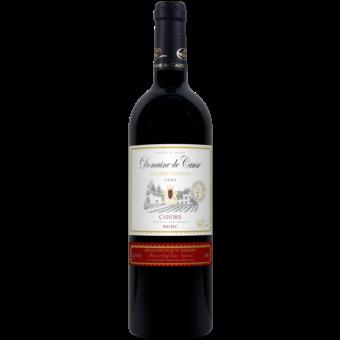
2009 Domaine de Causes La Lande Cavagnac

346806=

Domaine de Causes La Lande Cavagnac

France, Cahors

Wine Tasting Note:

Second opportunity to taste a French Malbec from its place of origin.  The best Argentine Malbecs are bigger and rounder than this, but I enjoyed the more classic approach as a counterpoint to the Argentine version… more acidity and tannins, less fruit and a lighter texture.  I would recommend this as a representative example of a different style of Malbec.

30 minute decant.  Deep violet tinted purple color. The nose is weak, mostly a menthol and alcohol character.  Fresh blackberry on the attack disappearing quickly and moving to black currant and tar on the mid-palate with a medium length bitter finish.  I enjoyed the mouth-filling tannins and medium-high acidity.  The texture started silky then quickly becomes watery.  The structure was good, but the balance was off.  Nevertheless, a good selection to pair with red meat and rich red sauce pastas.

Comments Off on 2009 Domaine de Causes La Lande Cavagnac

Filed under Cahors, French Wine, Malbec, Wine Tasting, Wine Tasting Notes

Passion and the Human Endeavor

Life Speaking
I recognized long ago that I am a little different.  I work hard to find passion in all the major endeavors in my life.  Without it, I am lost, unfulfilled, totally aimless.  The marketing and business development fields can be cold and calculated, but I am unable to function this way.  When I craft a message, it must resonate with me FIRST, then appeal to the market… being able to enthusiastically engage with clients, groups, an audience… comes from inside and passion is the key driver.  Often I am terribly misunderstood by co-workers and clients, thinking I am a hard-charging, aggressive businessman.  I am truly just passionate about what I do.  I BELIEVE strongly in a well-crafted point of view with an associated message.  This relates to both my career and my pastimes.

Why Start a Blog?

I have a PASSION for FINE wines.  No, not the less expensive stuff that I and so many other people drink daily/weekly, but the wine that reflects the talent and/or art of the maker and evokes emotion when enjoyed.  I am a formally trained and certified Sommelier (some test that was, whew!).  Hopefully – with the knowledge to investigate effectively topics within the industry that are relevant and interesting.  So, please join me on this journey, as I delve into the wine industry and try to capture the stories of the people and their vision behind the labels.
very-controlling-person-new-yorker-cartoon

Finding an Audience

When starting a Public Blog, most choose to write about a pastime, or profession, but just as important as choosing the topic – is deciding the context.  Will the audience, or writer drive the content?  Can a writer control the direction?  Am I being a control freak by tailoring an approach to topics I find interesting?  When I first started this blog a few years ago, I thought it would be written for the average consumer and I would “bring wine education to the masses”, but I soon realized I was developing an audience among industry professionals and a large percentage were from outside the U.S.  So, as the readership grows, I have re-assessed and decided to step with both feet into wine writing with a different purpose in mind.  I am writing now for a range of readers beyond the casual wine drinker: Wine Enthusiasts, Wine Collectors, Winery Managers, Wine Distribution, Tasting Room Attendants, Somms, Wait Staff, Chefs and someday perhaps Winemakers.  If the typical wine drinker finds the deeper dive of interest too, then so be it.

The Message

In keeping with the audience, moving forward, this site will focus on the wines and wineries associated with the top 10-20% of consumer dollars spent on bottles over $20USD.  For anyone who has read a few of my posts, it is fairly obvious that is where my interest lies.  So, I am just aligning the blog more closely with my interests and hoping the readership continues to grow and finds the content worthy of the time spent reading it.

Thank YOU

I appreciate all of you that have stopped by this site in the past year, or two and found something of interest.  It is difficult to feel justified as a writer, unless someone is reading your words.  I can accept that committing to this direction for the blog may not have the potential to find the largest audience, but it DOES follow my passion.  A trade-off that seems well-made…

HAPPY HOLIDAYS and BEST WISHES FOR A HAPPY, HEALTHY NEW YEAR!

Comments Off on Passion and the Human Endeavor

Filed under Business, Wine Education, Wine Industry, Wine Tasting

2014 Italian Wine Tasting Event

Location: Allesia’s Ristorante Italiano – Mesa, AZ

Tasted Saturday, November 22, 2014

INTRODUCTION

This is really a great little Italian Restaurant that could hold its own if you dropped it almost anywhere in the country. Jon is the friendliest of proprietors and is quite knowledgeable regarding Italian wines. He has a ridiculously good wine selection for such a small location.

For this event, he partnered with a wine distributor (Young’s Market) to offer a really fabulous Italian wine tasting event. Young’s brought two of their sales reps and the importer was present too. I was able to ask questions and take notes, but it was more for the public, than the trade… so, I couldn’t stay seated and evaluate the wines and record my impressions fully.

If you live in the area, enjoy Italian food and wine and haven’t stopped in, you are definitely missing an experience.

WINE FLIGHT 1 – DAILY DRINKERS (9 NOTES)

Italy, Tuscany, Toscana IGT

Galloni gave this a 91… He must really enjoy big, rich Chardonnay. I enjoyed the nice acidic backbone and the opulent mouth-feel. The aging on the lees added serious texture and body. This wine had a strong red apple nose and palate. The style of winemaking muted the freshness of the fruit. I enjoyed this for what it was, a nice expression of a chardonnay meant to stand on its own. The richness would make food pairings a bit more challenging.

Italy, Tuscany, Toscana IGT

Easy drinking red table wine. Nice balance and mouth-feel for an inexpensive wine. This red is made with a minimum of oak influence and the freshness of the fruit shines through as a result. The structure is just barely enough with medium tannins and medium-high acidity, but for $12 retail, this wine will accompany most all Italian fare without a hitch. The palate is dominated by a fruit-forward presentation of black and red cherry with a relatively short finish.

Italy, Piedmont, Asti, Barbera d’Asti Superiore

This wine continued to reinforce Alba as the premier Barbera producer. Barberas like this from Asti are much simpler and less complex. In Alba, Barbera transcends table wine. In Asti, Barbera table wine is what you get. Even the several Asti DOCG producers I have tasted, just aren’t in the same league. This is a very light and simple wine… to the point of uninteresting. Medium-low tannins and medium acidity for a weak backbone. Drink this now, it won’t last in the bottle more than a year, or two. Black and red cherry flavors on the palate, with a touch of plum. No finish. Works best as a medium quality table wine for pairing with lighter fare…

Italy, Umbria, Lago di Corbara

Slightly sweet, very simple wine, with poor structure. Not acidic enough for a table wine to accompany food. Not tannic enough to bottle-age and not interesting enough to drink on its own…

Italy, Tuscany, Chianti, Chianti Classico DOCG

Actually, a very typical chianti profile with sour red cherry, high tannins and high acidity… but I believe the bottle was flawed. Poor storage, or a leak in the cork. Either way, it was definitely oxidized. I certainly hope the wine was not intended to have that character…

Italy, Tuscany, Chianti, Chianti Rùfina

Nice, but unremarkable traditional Chianti. Slightly sour bright red cherry with black cherry overtones on the palate. High acidity and tannins for good structure, but very rustic. A bit thin. This could handle some bottle-age. Would be a good food wine for pairing with rich red sauces and red meat. If I was a bigger Chianti fan, I would give it another point for being very true to the regional profile.

Italy, Tuscany, Montalcino, Brunello di Montalcino

Every Italian wine tasting reinforces the impression… the best Italian Sangiovese is Brunello. I know purists will argue that Brunello is a sibling to Sangiovese, but genetic testing has shown otherwise. It IS Sangiovese. This area must be the perfect terroir for the grape, for the wines are just spectacular, if rather expensive. Fresh red and black cherry palate with a fantastic full mouth-feel. High acidity and high tannins make for a great backbone. The bigger mouth-feel makes the wine more approachable. This is a good example of a quality Brunello.

Italy, Tuscany, Montalcino, Brunello di Montalcino

Brooding black cherry palate, with strong bitter dark chocolate character. The big mouth-feel and more refined tannins of most Brunellos is missing here. The high acidity and rustic tannins do not make the wine very approachable now. Perhaps, this is just made in a more ageable style. I have tasted several similar Brunellos, but this is not my preferred profile.

Italy, Piedmont, Langhe, Barolo

Maybe I am just a Barolo purist and should have scored this a little higher. The character is very typical, with a red cherry and leather palate, but the wine is simple, lacking the complexity of higher priced Barolos. Decent QPR for a representative Barolo, but missing the good things I try to find that make it special, namely: a strong floral nose & palate and an herbal mint character. This wine had the typical unique Barolo tannins with high acidity, in keeping with this wine’s fantastic ageability.

WINE FLIGHT 2 – SUPER TUSCANS (7 NOTES)

Italy, Tuscany, Toscana IGT

Nose of black cherry and brown butter. The palate is fruit-forward and a touch sweet and the Petit Verdot in the blend adds some mouth-feel. The structure is a little weak, with only medium tannins and acidity. Definitely, a wine to drink within the next year, or two. It was a decent everyday drinker, but the touch of sweetness would not be my preference with food.

Italy, Tuscany, Bolgheri

One of those wines that for me, is difficult to score. The flavors were right up my alley, but the structure was missing a tannin backbone. Weak nose with some spice. A fruit forward palate with a mild dark chocolate that starts from the attack and is present through the finish. A lighter wine style with a beautiful cinnamon and clove character to the spice. Good high acidity, but only medium tannins and a nice long finish.

Italy, Tuscany, Toscana IGT

Young’s Market is the distributor in our area and was selling this through Allesia’s at $22/btl retail. For that price, an ageable wine like this is a pretty good deal. Had a typical Super Tuscan profile, with good structure and mouth-feel. High tannins and high acidity with a really nice apple pie spice character. Give this 3-5 years in the bottle and it will make an even bigger impression…

Italy, Tuscany, Toscana IGT

I was told Suckling gave this a 95! Ooops! Where did that come from? Yes, definitely speaks Super Tuscan. Just because it is representative, doesn’t make it a best in class wine. This is fruit-forward with good structure and decent balance. Will age well and improve in a 3-5 year time frame. Black cherry, dark chocolate, a bit thin, but a good finish… all the components of a solid Super Tuscan.

Italy, Tuscany, Maremma, Maremma Toscana

A very nice example of a Super Tuscan with some age on it already. Very similar profile to the Crognolo label from the same producer and vintage year (see my previous tasting note)… but this added a big, elegant mouth-feel. I am sure the five years of bottle age has contributed to the elegance of the wine. This is fruit-forward with good structure and decent balance. Will age well and improve. Has a black cherry and dark chocolate palate with a good finish… all the components of a solid Super Tuscan. Decent QPR for a bottle-aged Super Tuscan for people who aren’t willing to hold and wait.

Italy, Tuscany, Toscana IGT

Past vintages of this wine have been consistently good. This may be a slightly better year than average. Spicy, fruity nose. Fruit-forward palate of black cherry and plum. Medium-high acidity and the tannins were high, but accessible, with a character that fills the mouth. Perhaps a touch too fruity for a top notch food wine, but the great structure and balance will provide a nice experience on its own. This is wine is one of my faves for the price.

Italy, Tuscany, Bolgheri, Bolgheri Sassicaia

One of my absolute favorite wines in the world. This vintage does not disappoint again. A young wine, but it is a touch more accessible than others in the past. I must extol its virtues now… again. Beautiful nose of fruit and spice. The palate is fruit-forward but the fruit is not over-whelming. This has the perfect balance of acidity, tannins, alcohol and texture. A food wine AND excellent on its own. Just a classically elegant wine that can be drunk now, or bottle-aged to add nuance and approachability. Is your mouth watering? Mine is. The retail is listed at $200/btl at the local shop… is the QPR right? Well, what can you compare this to? I am not a fan of spending $200 on a bottle of wine. Although in this case, how do you even put that question in context?

WINE FLIGHT 3 – SICILIAN WINES (5 NOTES)

Italy, Sardinia, Isola dei Nuraghi IGT

Another wine that was difficult for me to score. I love Carignan when it is done well. This particular wine is to be experienced, not tasted. The silky mouth-feel is way past its price point. Though, the structure is missing balance. Decent acidity and only medium tannins leave a hole… that I could get past, others may not. I am a sucker for this kind of profile. Fruit forward spicy palate with black cherry, blackberry and plum. A medium long finish of mild dark chocolate. This is definitely better on its own, than with food.

Italy, Sicily, Sicilia IGT

Not your typical Nero d’Avola. I am familiar with this varietal as a dependable, low-cost, straight-forward table wine that consistently delivers good QPR. This wine has complex fruit flavors, with red, blue and black fruits. The backbone was decent, but the wine doesn’t fill your mouth like other examples of this varietal. A lightly spicy, chocolate character complements the entire palate. This wine has both more than I expected… and less. Sorry, I know this does not convey the tasting well. I would like to try this wine again, when I have more time to evaluate it, rather than at a tasting event.

Italy, Sicily, Noto

I was told Suckling gave this a 93. Apparently, his palate and mine are not close on Italian wines. There was significant complexity on the nose and palate, but the wine was too rich. The nose had a beautiful herbal mint undertone that I enjoyed. Either this wine had been oaked too long, or an extended maceration imparted a strong brown butter flavor. The wine has high acidity and only medium tannins. With more structure, it may have stood-up to the richness better. This may be one of those personal preference wines. Either a love it, or hate it kind of experience.

Italy, Sicily, Sicilia IGT

This Syrah is all wrong. No mouth-feel, poor structure, very light and the fruit is all red. It doesn’t work as a cool-climate Syrah either. This doesn’t fit into any category of Syrah I have tasted. I am told Wine Enthusiast gave this a 90. Whoa there, this is so NOT varietally correct for a 100% Syrah.

Italy, Sicily, Sicilia IGT

Probably another year, or two left in the drinking window for this one. This has a touch too much oak for my taste, but nevertheless a very good wine.  A big black cherry palate with lots of spicy character. Nice structure with medium-high acidity & tannins and is well balanced. This flavor profile leans toward cherry too much for this kind of blend, but still an enjoyable wine.

Comments Off on 2014 Italian Wine Tasting Event

Filed under Cabernet Sauvignon, Chardonnay, Italian Wine, Nebbiolo, Piedmonte, Restaurant, Restaurant Review, Sangiovese, Super Tuscan Blend, Syrah/Shiraz, Toscana, Wine Education, Wine Tasting, Wine Tasting Notes

Breaking Down Winemaking Styles

During a recent trip to Napa-Sonoma, California, I had the opportunity to interview several winemakers and talk with tasting room managers in the premium wine segment.  The discussion produced a large amount of material, but a few ideas stood out. One question continued to run over and over in my mind:  does a winery begin with some sort of vision for the final product?  If so, how does it come to be…

Is Wine Style Part of the Business Plan?


**INSERT Dilbert cartoon HERE** ©Scott Adams


Folks, I am not able to include this Dilbert cartoon, but you simply must click on this Link and check it out.  Funny stuff and right on point for this commentary.  This cartoon was excerpted from: Washington Business Journal, “Is your vision statement for real?”, Mar 17, 2011, Link Here.  Good read!  Unfortunately, even non-profit commentary use must still respect creative property!


The Vision

In the over $25/btl retail segment, I would say the wine itself easily contributes 2/3 (or more) to the brand identity.  Can you develop a brand, without developing a vision for the product?  I find this kind of discussion fascinating…

Is it important for employees and customers to understand that vision?

Should a Winery Have a “Wine Style”?

Every winery has a story to tell that differentiates them from the thousands of other producers in the marketplace.  That story is the cornerstone of each label.  So, what does this have to do with winemaking? Everything!  The questions posed in these interviews uncovered a glimpse into that underlying vision and ultimately how they wish their wines to be perceived by both their own organization and the consumer.

Why would an owner choose the difficult premium wine segment of the market in the first place?  There must be a calling, or a passion driving that decision?  Framing that story in a way that can capture a wine enthusiast’s imagination… is a message worth crafting.  So, where could wine style fit into this picture?  In this price category, more than any fancy, gimicky label design, or strategic marketing plan, the wine itself defines the brand.  If this thinking is sound, then the style of wine produced IS the winery’s identity.  Following this logic, finding a way to bring the story behind making the wine directly to the consumer is absolutely critical to building the brand.  If you look at wineries in this way, what stories do they have in common?  After interviewing enough winemakers / owners, you start to see commonalities.  In my opinion, the choice of wine style seems to manifest in one of three different ways:

1.  Begin With the Quality of the Fruit  –  Wine should express the character of the fruit and Terroir

  • This is the winemaker as viticulturist view.  Requires an emphasis on the wine growing.  With a complementary view of nurturing the vines to produce supreme quality fruit.  This is best implemented in an estate winery situation.

Impact on the Wine – Tends to add complexity and layering of flavors.  These wines often have a more defined mid-palate. This style is frequently made to be fruit-forward and emphasizes clarity and freshness.  This approach will usually drive good structure, but may not emphasize balance and often has a varietally correct flavor profile.  This style is typified by the winemaker as farmer – often with formal training in biology, botany, or agriculture and the winemaker leans heavily on learning his trade through internships and experience.

2.  Begin With Analyzing the Fruit  –  Better wine through better chemistry

  • This is the winemaker as technologist view.  Monitor and measure everything.  Wine is a mixture of chemical components and the optimum desired profile can be identified and reproduced.

Impact on the Wine – Brings more consistent quality.  These wines tend to focus on correct ratios.  There is rarely a desired component missing, but the product can often lack finesse.  Tannins, acidity, alcohol, phenolic development all carefully measured to arrive at the optimal formula generally accepted by the industry.  This style is typified by the winemaker with a UC Davis MS in Enology, who has taken the technological training completely to heart.

3.  Begin at the End  –  Start with a clear vision for the final product

  • This is the winemaker as artist view.  Where the winemaker is the star and bringer of quality.  This demands a winemaker as leader, who can leverage a history of experience, knowledge and technique to drive the wine to match his vision.

Impact on the Wine – These wines tend to be either elegant and composed, or knock your socks off with a focused over-the-top approach.  Focusing on the elegant approach…  Whether, or not the fruit is up to muster, these winemakers find a way to make the wine balanced and have great mouth-feel.  These most often are classically styled wines, with good structure, acidity, tannins and texture.  Flavors and aromas are less of an emphasis.  This style is typified by the winemaker as the leader and star – having a decade, or two of experience, always knowing the right decision to make, regardless of vintage variation.

Most wineries mix some combination of these ideas, but one of these philosophies typically shines through.

Does One Style Produce Better Wine?

The answer is most definitely no, but the wines within each style category do tend to have similar characteristics.  I enjoy wines in my cellar from producers that fall into all three categories, depending on my mood.

As a consumer, does identifying the story behind your favorite winery matter?

This time the answer is most definitely yes.  If you are like myself and many of the wine enthusiasts I know, we enjoy quality wines, but like to vary flavors and styles.  You may recognize these different styles in your favorite wines.

I have always found this to be sound advice:  “The key to finding new wines you are likely to enjoy, is to track the winemakers and vineyards.”  Pay attention to this information for your favorite wines and it will help you find other labels worth trying.  Connecting to the story behind your favorite winemakers and favorite vineyards can make your wine appreciation much richer.

5 Comments

Filed under Wine Education, Wine Industry, Wine Tasting, Winemaker Interview

2014 Napa–Sonoma Winemaking Trends

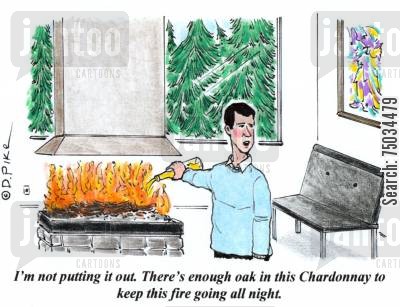
'I'm not putting it out. There's enough oak in this Chardonnay to keep this fire going all night.'

Source Material

I have interviewed 12 winemakers from the area by phone and in-person over the past few months.  Many have been from very well-known, high-profile producers. The material has provided a few new perspectives.  Some of these observations may only apply to estate wineries where there is more control over wine growing strategies, while others are specific to the winemaking.  I will not compare individual winemakers, or wineries.  It would be an injustice to each of them.  Although, I will be making an effort to tell each of their stories in separate pieces later.

Recent Winemaking Trends in Premium Wines

More Block Harvesting and Corresponding Small Lot Fermentation

I am running into this strategy at more estate wineries and if they are not already doing it, they are thinking about it.  Separately fermenting smaller, individually harvested, vineyard lots is happening more in this region than ever before.  Wineries are making a major investment in large numbers of smaller fermentation tanks, moving away from the full harvest approach and much larger tanks.  This trend is allowing winemakers to more effectively capture the individual character of fruit grown within differing micro-terroirs in individually fermented batch lots used for later blending.

Impact on the Wine –  Improved complexity and structure. Isolating individual characteristics from the fruit to bring a greater sense of unique “place” to the wine.

Winemakers Exerting Greater Influence on Viticulture

Estate Winemakers are insisting on more input into the decisions in the vineyard.  They are investigating different micro-climates and soil types on a much smaller scale than ever before.  This trend is increasing their influence with viticultural decisions that affect the final product such as:  separate farming and harvesting of individual vineyard blocks, row orientation, irrigation and pruning strategies (or lack of), etc.

Impact on the Wine – Better planning to accommodate vintage variation.  Ability to experiment with vineyard practices that can compliment the style of wine being made.

Varying the Harvest Timing with Small Block Harvesting

This is a bit controversial, but I am hearing it being discussed more.  Harvest timing is one of the major decisions affecting the wine.  It can effect tannins, acidity and phenolics… blending individual lots harvested at different times can change many characteristics of the final product, for example:

  • Tannins – Earlier harvest can make tannins more rustic.  Also, the ripeness of the pips can have a huge impact on the texture of the tannins (dusty, grainy, rounder, etc.).
  • Acidity – Earlier harvest can often provide increased acidity.
  • Phenolics – This is the touchy-feely area of this practice.  Identifying the preferred level of phenolic development is as much art, as science, but there is no doubt ripeness affects this category too.
  • Sugar – Harvest timing will effect the amount of sugars in the juice.

Impact on the Wine – Virtually all aspects of the wine’s character are potentially affected by this.

Less Interaction with the Wine During Production

This philosophy is leading to experimentation. Here are a few techniques that are being used, or discussed more frequently:

  • More wineries are moving to automated pump-over closed tank fermentation, versus open container punch-down.  Some industry folk say punch-down “shocks” the wine.  I have been paying closer attention to this in the past year, after seeing its widespread use during a trip to Italian wine country last year.
  • Lots of discussion going on regarding the need for extended cold-soak prior to ferment to extract color.
  • More natural yeast fermentation, instead of inoculation.
  • Lighter pressing of the fruit. One winemaker talked of just using gravity to press the first-run juice.
  • Skipping removal of the lees after ferment and waiting until a later date to separate the wine.
  • Controlling temperature to slow down the duration of the ferment.
  • Less fining and filtering, which reduces the amount of pumping and moving of the wine.

Impact on the Wine – The intangibles seem to be most affected by this approach.  These techniques may soften the attack of the wine, add elegance and affect mouth-feel.

Extended Maceration for Red Wine

This relates to extending the contact of the wine with the skins and sometimes the lees and/or stems. I actually spoke to one winemaker that talked of 60 days for ferment and maceration.  The more traditional thinking is 10-15 days…  This is expensive for wineries.  It requires either investment in more fermentation tanks, or reducing capacity for production.  Several winemakers spoke of wanting to experiment with this for whites too.

Impact on the Wine – Differing opinions on this, but for my palate, it changes the character of the tannins substantially and at the same time adds complexity.  I am not sure there is more extraction, but it definitely affects the texture.

Whole Cluster Fermentation for Red Wine

This technique requires using the whole grape cluster (stems and all) for the ferment, rather than the usual de-stemmed berries.  Almost all winemakers I talked to were including a percentage of their blend with wine fermented this way.  Several winemakers claimed that a whole cluster ferment by definition will add natural carbonic maceration to the mix.  Some of these wines do appear to be more aromatic…

Impact on the Wine – It may add more of a mid-palate to some wines.  Often, these wines seem to have a fresher, fruitier character (carbonic maceration?).  Bottom line, these wines ARE more complex, but better complex?  Some winemakers claim it has much to do with the terroir.  Apparently, some terroirs do not produce fruit that works well with this process.

Focus on Balance

Ah, the holy grail of wine!  For so many years Napa producers have been known for their big, extracted, high alcohol cabs.  I think the pendulum is finally starting to swing back a bit.  While these producers will never move back to the true French Bordeaux style, more winemakers are talking of balance and I am starting to taste it in more Napa wines.  A beautiful trend!

Conclusion

It is so good to see sophisticated wine palates (winemakers) changing the decisions being made in the vineyard.  While vineyard management is certainly farming, having a trained palate influencing the approach for each individual block and making adjustments for each vintage… is a very, very good thing for the industry.

Many of these techniques and ideas have been around the industry a very long time, but tend to be newly adopted in areas of California.  To be fair, not all winemakers are fans of this direction and produce fantastic wines anyway.  A clear indication of how much there is still to learn, about growing and making wine.

Why are following these trends important?

  • For Wine Enthusiasts – It may help you:
    • Identify techniques that produce wines you prefer
    • Build a dialogue with your favorite wineries
    • Understanding a winery’s approach, may help you to understand which labels match your palate
  • For Industry Professionals – Understanding how influential wine producing regions are changing their thinking is important to:
    • Wine pairing decisions
    • Building context for a strategy to develop a commercial wine list representative of a broad range of styles
    • A glimpse into the future of where the industry is headed


P.S. – I hope folks are enjoying these kind of pieces.  I don’t see much written that tries to make the technical more accessible and relevant to the public audience.    HAPPY HOLIDAYS AND BEST WISHES TO YOU AND YOUR FAMILIES!

1 Comment

Filed under Wine Education, Wine Industry, Winemaker Interview

Terroir Controversy

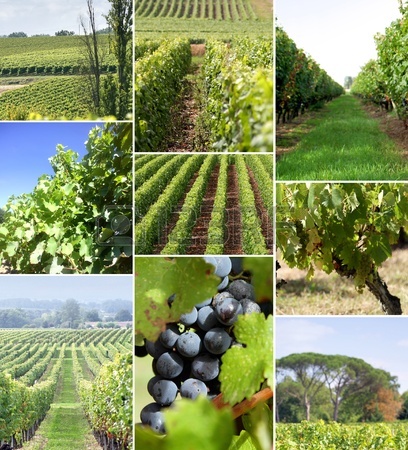
images-of-a-vineyard

Terroir – Webster Dictionary Definition:

“The combination of factors including soil, climate, and sunlight that gives wine grapes their distinctive character.”

What a simplistic explanation!  Does “soil” include proper drainage, or the angle of the grade?  Does “climate” include the daily temperature variation?  Does “sunlight” include the degree of latitude?  All of this and much more make up the definition of Terroir.  I can think of other related factors: the altitude of the vineyard, are the vineyards terraced, is the vineyard in full sunlight, or shaded at times, etc…

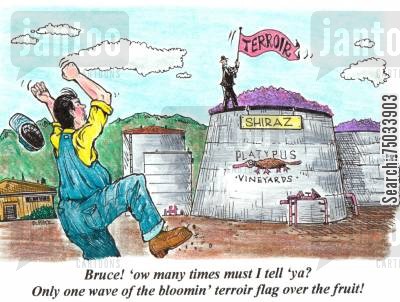
'Bruce! 'ow many times must I tell 'ya? Only one wave of the bloomin' terroir flag over the fruit!'

Is Terroir a Real Concept?

“Terroir” has been one of the most misunderstood and controversial concepts in the wine industry, since vineyards began popping up all over the New World.  It has been a critical part of the tradition of European winemaking from it’s very beginnings.  European wines have always been more about “Place”, than Varietal.  New World skeptics continually site the lack of scientific data that supports the chemical impact of soil composition on flavors developed in wine grapes… completely absurd! Whether, or not the chemistry supports it, your palate can taste it.  Most contrary opinions point to the soil component, when Terroir is actually so much more.  Soil is just a small piece of the vineyard conditions that impact the character of wine.

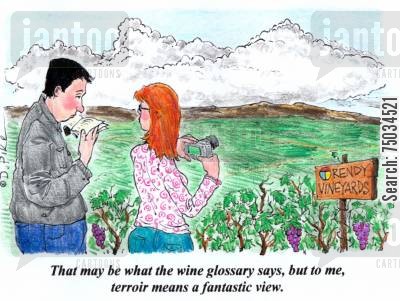
'That may be what the wine glossary says, but to me, terroir means a fantatic view.'

A Personal Connection to Terroir

I usually recall most wines by either vineyard, or winery location, or the underlying experience, rather than the flavor.  I prefer wines aged in neutral oak, rather than new oak, so the fruit can express itself fully.  When I taste acidity, I see morning fog in the vineyards.  When I taste savory flavors, I think cooler climate.  When I taste concentration, I think small berries and making the vines work hard to ripen…  There is more to the impact of Terroir, than just added minerality.  Sometimes, when I sit alone enjoying a well made wine, I try to visualize the vineyard from the character of the wine.  Focusing on “Place” can truly enhance your enjoyment of wine, if you embrace the idea.

Why Does Terroir Matter?

UC – Davis has added so much to the world of wine in the last decade and it is exactly that influence that has swung the pendulum too far.  A scientific approach to wine can foster a dependence on chemistry alone in making decisions impacting the final product.  I have been looking at this issue for many years now and have come to the conclusion:  the making of wine is definitely equal parts science and art.  Two prominent winemakers I interviewed this year (Kathleen Inman and Todd Anderson) embrace this kind of thinking.  Their ideas are interesting and worth sharing, because they focus winemaking on the result (not the process).  This winemaking strategy requires starting with a vision, even before bud-break.  In my experience, this alternative view is more likely to produce balanced and structured wines with a textural component. That last piece is too often missing from wines today.

So, where does this topic fit into the idea of Terroir?  Very simple… a poor understanding of the fruit and its influences will cause poor winemaking decisions.  Winemakers cannot express the art in their craft, without an understanding of the Terroir that has produced the fruit.  I will take this even one step further… Terroir is not a fixed concept.  Vintage variation from year-over-year of climate change can influence the sense of “Place” that wine brings.  If these ideas are starting to connect, you will realize vintage variation is NOT such a bad thing.  It just ties you closer to “Place”.  When a winemaker works with climate variation (instead of fighting it), some years the wines are silky instead of velvetty, lighter instead of heavier bodied, or have soft instead of chewy tannins.  Personally, I enjoy most wine styles and can really appreciate that diversity, often coming from the same vineyard each year.

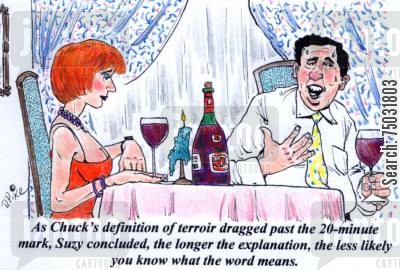
'As Chuck's definition of terroir dragged past the 20-minute mark, Suzy concluded, the longer the explanation, the less likely you know what the word means.'

Are We All Tired of This Discussion?

Everyone associated with wine in any way has probably had this discussion at one time, or another… and is probably tired of the topic.  Please don’t lose your patience, it is much more important than you may realize.  It could even hold the key to introducing an appreciation of premium wines to the average consumer.  If my introduction to wine was any indication, I was appreciating Terroir long before I even knew the word.  I enjoyed wine country vacations for many years, before I understood what I was drinking.

Humor me for a second… visualize:

  • sitting in a rocking chair at sunset
  • on a porch overlooking row upon row of vineyard
  • enjoying a glass of wine

It just sort of warms the soul!  I think there are more consumers that would connect with this experience than the industry realizes.

Now stop and ask yourself:  

  • Did you choose a location for that view?
  • Did a specific wine, or style come to mind?

Wine can enrich life, but you must choose the path and open your mind… a few other people through history agree with me:


“If you have to ask if it’s too early to drink wine, you’re an amateur and we can’t be friends.” – Anonymous

  • I will have to use this one next time I visit Napa…

“Good company, good wine, good welcome, can make good people.” – Shakespeare

“Wine is more than a beverage, it’s a lifestyle.” – Anonymous

“Wine to me is passion. It’s family and friends. It’s warmth of heart and generosity of spirit. Wine is art. It’s culture. It is the essence of civilization and the art of living.” – Robert Mondavi

  • This is a great quote. He was able to put into words the affect wine had on his life.

“Great wine requires a madman to grow the vine, a wise man to watch over it, a lucid poet to make it, and a lover to drink it.” – Salvador Dali

“Wine is sure proof that God loves us and wants us to be happy.” – Benjamin Franklin

1 Comment

Filed under Wine Education, Wine Industry, Wine Tasting, Wine Travel

Wine Marketing – The Gap Between Europe and the U.S.

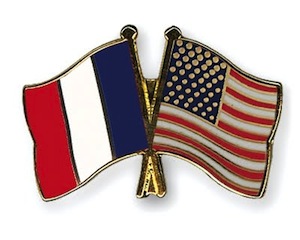
Am-Fr

Can European Wine Producers Access the Mainstream U.S. Market?

I have two acquaintances from Europe on a work visa here in the States.  It is always interesting to hear their perspective on wine.  They view wine very differently than the majority of my U.S. friends.  When I am looking for someone to explore and appreciate the complexities of Northern Rhone, or Burgundy with me…  it is rarely my U.S. friends.  Decades of high Robert Parker scores have been driving demand for high alcohol, big oak and rich mouth-feel and have skewed the high-dollar U.S. Cabernet market towards palates that have been trained to demand it.  I know, because that was mine back in the day.  It’s all good though.  I have come to enjoy both the big & bold and lighter complex styles.  Although I must say, the wines that fill that special place for me are often the more balanced lighter wines of Italian origin.  With such major differences in style preference between here and there, can a wine executive from Europe having grown up with a different wine sensibility…  truly understand the American consumer?

Many Europeans Experience Wine as an Accompaniment to Food

Until 2010, I primarily drank wine before, or after a meal, but rarely with. Based on my friends, acquaintances and wine education events, this is the primary wine experience for the majority of Americans.  It wasn’t until my Sommelier training that I was introduced to the idea of wine as an accompaniment to food.  Too many U.S. consumers evaluate wines and make buy decisions based on tasting without paired food.  I don’t believe this is well understood by wine industry executives in Europe. The popularity of the big fruit-forward taste profile in the U.S. is a good barometer for this discussion.

Is There an Assumption of Basic Wine Knowledge?

There are a few points to make on this topic. Wine is a common fixture on most French, Italian and Spanish dinner tables, consequently children are exposed to wine at a very early age.  This leads to basic wine knowledge being assumed by many Europeans.  In addition, branding regional food and wine by city, or area name is well understood there. In the U.S., this is a confusing and foreign concept. Until another approach to marketing is developed, the under $50/btl. retail wine market here will continue to be an elusive target for European producers.

Many Europeans might cringe at the idea that the most popular food dish in America is probably boxed mac & cheese.  The foodie movement is a relatively new trend here.  Working with consumers in the U.S. means starting with people from the ground up and building demand with little steps.

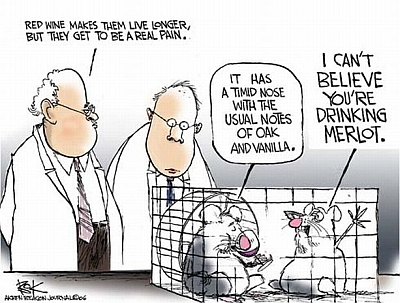
Red Wine Health Benefits Comic

Are European Producers Targeting Only U.S. Collectors and Connoisseurs?

Importing marketing, or sales professionals from Europe is a thoroughly misguided idea… unless you are trying to target the 5% of the total market (by volume) that are the collectors and connoisseurs. I have had only a few experiences with Europeans in a sales role for wineries in the U.S.  They have all been French and were the singular worst experiences I have had during all my wine trips to California over the years.

Changing the American Wine Paradigm

The challenge in the American market is convincing the average consumer that wine is not just for special occasions and holidays… or… is not just a glass on tap (yes, most winebars are now serving on tap) with friends before, or after dinner.

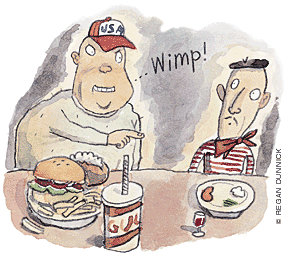
Wine Wimp

Conclusion

The more I talk to people in wine marketing in the U.S., the more I realize how misguided many are… and how absolutely correct the winemakers usually are… winemakers and vineyard managers are just farmers at heart.  It is this wine for the “regular Joe” story that resonates with the average American Consumer. If wine is to gain greater market share here, it should be experienced as relaxed and fun, with no rules. Put together an effective explanation of why focusing on wine can make life richer… and there you have a marketing campaign that will have an impact in the U.S.

Comments Off on Wine Marketing – The Gap Between Europe and the U.S.

Filed under Business, Food Pairing, Wine Industry

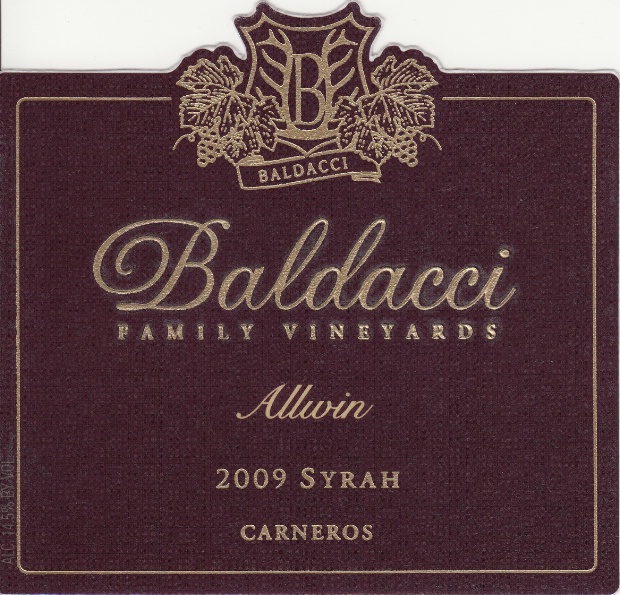
2009 Baldacci Family Vineyards Syrah Allwin

254280

Baldacci Family Vineyards Syrah Allwin

California, Napa Valley, Carneros

Wine Tasting Note:

A beautiful aged Syrah. Dinrk now… this is smack in the middle of its drinking window. The nose is full of rich plum and blackberry fruit with a woody, creme brulee note. On pop and pour all you get is cashmere in the mouth. What wonderful texture! The wine is initially closed. After a 30 min. decant – the plum and blackberry becomes persistent and in front. The mid-palate is full of oak, rich brown butter and spicy clove with a medium-long dark chocolate finish. The tannins are partially resolved and medium. The acidity is medium-high producing a nice backbone. The alcohol is well integrated. An extremely balanced wine! The richness and smooth texture of this wine will only pair well with the richest foods. Falls a little flat on the finish, but I can forgive… On its own, it is an after-dinner crowd-pleaser that your guests will likely not forget. A cool-climate Carneros Syrah lives up to its potential again!

Comments Off on 2009 Baldacci Family Vineyards Syrah Allwin

Filed under Carneros, Cool Climate Wine, Napa Valley, Syrah/Shiraz, U.S. Wines by Region, Wine Tasting, Wine Tasting Notes