Italy Wine Adventure – Alto-Adige, Valpolicella, Soave, Bolgheri, Barbaresco & Barolo
General Comments on Italian Wine
Spent two weeks in Northern Italy visiting wineries. Used my Sommelier certification and wine consulting activities to arrange trade tastings at many wineries along the way. A few significant thoughts about the trip:
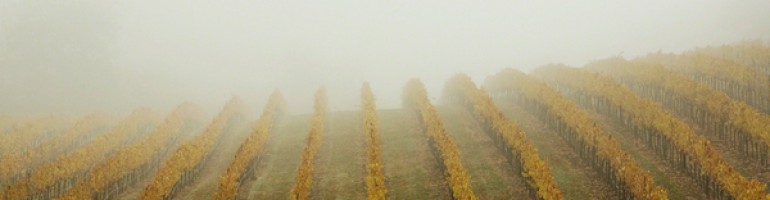
1) Pergola is starting to go away here and guyot is taking its place. Along with it, the practice of dropping fruit to improve concentration is becoming common. Very glad to see!
2) Every red wine producer I visited fermented in stainless steel, with automated pump-over. The wines were easily noticeable as less manipulated, more vintage character coming through each year and the tannins were finer than I am used to in the U.S.
3) NO AGING IN AMERICAN OAK! Generally, even limited contact with new French oak. I found myself missing the oak from these wines and having to adjust my palate. Although, the wines all clearly had a fresher fruit characteristic because of it.
4) All red wine producers worked with varietals and winemaking technique that tended to focus the wine away from texture. IMHO, the best wines here were those that focused on taking the local style and move it towards an emphasis on mouth-feel in the final product.
5) The red wines I enjoyed most, all seemed to have an element of mushroom, or wet earth on the nose. Not sure why that was, but consistently true for me on this trip. VERY STRANGE.
6) Also, a bitter dark chocolate finish of varying length and power was a characteristic of most red wines I tasted. When it was missing, the wines tasted incomplete.
7) FOOD – Don’t miss Piemonte… It is hard to describe how special this area is for a wonderful dining experience. No other region we visited was even close.
8) Barbera d’Alba is one of the best wine values in Italy and while it is a completely different wine, does not get enough respect in comparison to the Barolo and Barbaresco produced in the same region.
9) Almost all of the wine we drank in Italy was pretty good, even at $10Eur/btl. In my small sampling on this trip, it could be the Italian wine industry has a much better grasp of how to make reasonably good, value priced daily drinkers. The premium end of the fine wines was another story. I felt like there were only a few wineries that stood-out, but of course nowhere else is Nebbiolo like this.
I was very disappointed to have lost my Conterno Fantino and Cigliuti tasting notes. Great people and very good wine. I will limit the flights to the more notable visits. Too much content to bore you all with. For perspective on my tasting notes – I do not enjoy white wine, unless there is minerality. Start off with my impressions by region:
Trento-Alto-Adige
The clear winner here is Terlan. Simply fantastic white wines. The minerality is so heavy here, that they have to chip out precipitated minerals at the bottom of their large Hungarian Oak barrels every 8-10 years. They call it wine rock! The winery popped some 20 year old pinot bianco for us. These white wines age VERY WELL! So glad to have found this winery. It is something special in the world of white wines.
Valpolicella
This is the one area I wish I would have planned more time with. My life experience with Valpolicella Classico has not impressed me over much, but I have not really spent the money to explore Amarone, Ripasso and Recioto… my loss. These are truly exceptional wines. What I have been missing all these years…. aaaaah, lost opportunity.
Soave
Again, another area that has under-impressed over the years. In my experience, limited to lower priced wines selected by importers. I found a VERY SPECIAL producer here: Pieropan. I will seek out their white wine in the U.S.
Bolgheri
The wines tasted here generally were disappointing, with some notable exceptions. Very much, French Bordeaux style wines, but missing the fine wine making tradition to make the wine special. One of the very notable exceptions was Tenuta San Guido. Sassicaia was a truly amazing wine and so far beyond the other wine there, it was tragic.
Barbaresco
I fell in love with the Nebbiolo wines from this area. It is a pity the area is geographically so tiny and has such small production.
Barolo
This area was hit or miss for me. The better wineries here seemed to zero-in on making these massive tannins as fine as possible. When accomplished – FANTASTIC! When not, wines that will take 20 years before you can touch.
FLIGHT 1 – ALTO-ADIGE (12 NOTES)
Terlan was amazing. Producing Chardonnay and Pinot Bianco (among other varietals) that handle age very well. Maybe not like Riesling, but certainly for a dry white… as interesting as White Burgundy. Their terroir produces wines with so much minerality that they have to chip out the precipitated minerals from the barrels every 8-10 years. They call it wine stone! Also, barrel aging (in lieu of bottle aging) of whites is very common here. They showed us a 1996 Chardonnay still in the barrel! Visited Foradori… very disappointed after reading some of the CellarTracker notes and professional reviews. Very old style vineyard management. Many of their vineyards were still arranged in the Pergola style and with this varietal, the harvest looked enormous. No dropping of fruit here to add concentration. Wines were all thin and undrinkable young.
2000 Cantina Terlan Chardonnay 93 Points
Italy, Trentino-Alto Adige, Alto Adige, Alto Adige – Südtirol
This winery has changed my perception of Italian white wine. Chardonnay with dimension and complexity! This terroir produces Burgundy quality Chardonnay suitable for aging. 13 year-old Chardonnay with a powerful nose of lemon curd, red apple and a floral aspect. This follows through to a fruit forward palate with nice stoney minerality. Medium high acidity. The time in the bottle has crafted a beautifully balanced wine.
2010 Cantina Terlan Nova Domus Riserva 90 Points
Italy, Trentino-Alto Adige, Alto Adige, Terlano
White blend. Nose of citrus and mown grass. Palate of citrus at front and then carmelized butter from mid-palate through to a long finish. As typical of Terlan – mineral overtones. They have really coaxed the lees into providing extracted flavors and texture. Only neutral oak.
2011 Cantina Terlan Sauvignon Blanc Quarz 88 Points
Italy, Trentino-Alto Adige, Alto Adige, Terlano
Grassy on the nose. Palate of citrus and fresh mown grass, finishing with very noticeable minerality. I was aware of more alcohol than I would prefer. Very strong acidity with a refreshing bite. The nice structure moved the score higher to offset some of the other characteristics.
2011 Cantina Terlan Gewürztraminer Lunare 88 Points
Italy, Trentino-Alto Adige, Alto Adige, Alto Adige – Südtirol
Nose of red roses that carries through to the palate. Very interesting, but too floral on the palate to be really enjoyable. Typical Gewurtz spice on the finish. Very strong acidity. Score reflects the unusual predominance of the rich red rose aroma. I could get lost in the nose on this wine.
2010 Cantina Terlan Lagrein Porphyr Riserva 88 Points
Italy, Trentino-Alto Adige, Alto Adige, Alto Adige – Südtirol
Nose of red fruit with a buttery aspect. Fruit forward, lighter textured wine with raspberry and red cherry on the palate finishing with a medium short finish of dark chocolate. Medium tannins and acidity. Seemed like a cross between Sangiovese and Pinot Noir profiles. Good structure for a lighter style red.
1996 Cantina Terlan Pinot Bianco Classico 92 Points
Italy, Trentino-Alto Adige, Alto Adige, Terlano
Wow, another beautiful aged white at Terlan! Nose of carmelized butter and honey that carries through to the palate. Completely dry though. Fruit is almost gone, but the structure is there. Very, very soft on the palate with mouth-watering high acidity. Mineral overtones that come through at the finish. Whole different experience than the aged Chardonnay, but almost as profound!
2011 Cantina Terlan Chardonnay Kreuth 91 Points
Italy, Trentino-Alto Adige, Alto Adige, Alto Adige – Südtirol
This winery knows how to handle Chardonnay in a Burgundy style. The nose is full of butter with a palate of fruit forward red apple and quince. Has a long buttery finish. High acidity gives this very good structure and the usual Terlan mineral overtones are there too. Very nice mouth-coating texture. Good structure and balance and very enjoyable. If the other aged Chardonnays we tasted are any indication, this will age well too. Terlan ages many of their white wines in the barrel, rather than the bottle. Maybe a contributing factor to how well some vintages hold-up over time? Their sales agent showed us a 1996 Chardonnay still in the barrel!
2005 Cantina Terlan Sauvignon Winkl 90 Points
Italy, Trentino-Alto Adige, Alto Adige, Terlano
Northern Italy can really pull New World flavors out of Sauv Blanc! This wine had a very strong honeysuckle and orange blossom nose that carried through to the palate with a long salted butter finish. Texture was a bit heavier, but I enjoyed the weight. Very soft, but off-setting high acidity. A very pretty Sauv Blanc. Putting some age on it, really developed the wine.
2012 Cantina Terlan Terlaner Classico 88 Points
Italy, Trentino-Alto Adige, Alto Adige, Terlano
White blend. Nose of honeysuckle. The alcohol is a too prevalent for my liking in a white wine. The palate is full of honey and fruit-forward pineapple with mineral overtones. Very viscous texture. Medium high acidity. Interesting flavor profile for an Italian white, but a bit disjointed and the alcohol was immediately obvious.
2012 Cantina Terlan Pinot Bianco Classico 87 Points
Italy, Trentino-Alto Adige, Alto Adige, Terlano
This would be a good food wine for white meats… Very acidic. Citrus on the nose, but very little fruit on the palate. Very crisp, fresh profile with a mineral edge, but all very subtle. After having tasted the 1996 Pinot Bianco, this may have enough structure to age and improve. It would be interesting to try this again in another 5 years. This whole aging white wine approach is new to me. I have tasted the result at Terlan and it works, but I do not have enough experience tasting aged whites to have a good feel. Wine… a lifetime of learning.
2012 Cantina Terlan Pinot Grigio 88 Points
Italy, Trentino-Alto Adige, Alto Adige, Alto Adige – Südtirol
Nose of citrus and flowers. Fresh lemon on the palate with a medium long finish of honeydew melon. Nice, medium texture to add interest. More substantial than many lighter, less tasty Italian Pinot Grigios I have had.
2012 Cantina Terlan Chardonnay 87 Points
Italy, Trentino-Alto Adige, Alto Adige, Alto Adige – Südtirol
A touch frizzante. Heavy mineral nose of wet rocks. The lemon zest on the nose carries through to a palate of subdued lemon with minerality… that continues in the mouth to a medium long finish. Very acidic. Medium texture. Would be better with food than as an aperitif.
FLIGHT 2 – VALPOLICELLA & SOAVE (7 NOTES)
Oh, I wish we had more time here. Allegrini was outstanding. Very experimental with wines produced from dried grapes, beyond Amarone and Ripasso.
2012 Pieropan Soave Classico Superiore 90 Points
Italy, Veneto, Soave
Drank a bottle with my wife at a restaurant in Soave with a beautiful garden patio at sunset with prosciutto, assorted cheese and crusty bread. This wine is not vineyard designate, but had the “Superiore” “reserve” designation printed on the label. No specific tasting notes, but this white wine made an impression, for both its profile AND its value. The first impression is of the texture… beautifully soft and silky, coats the mouth, (no oak) but with very high acidity. Very balanced. Fully integrated profile. Great nose of candied lemon peel and mineral. The nose carries through to the palate. Very fruit forward, but also completely dry and very acidic. I know the Soave available in the U.S. has a reputation for variable quality, but this wine truly surprised me and is the best Soave I have tasted!
2011 Allegrini Ripasso della Valpolicella 88 Points
Italy, Veneto, Valpolicella
Smokey nose. Fruit forward palate of black cherry and black pepper. Medium short finish of lingering smoke. Lighter texture with a minimum of mouth feel.
2009 Allegrini Recioto della Valpolicella Classico Giovanni 89 Points
Italy, Veneto, Valpolicella
First Recioto for me and I like it! Nose was very much like port, it had me fooled. The palate was full of bright red fresh cherries. Nice texture that fit the overall impression. A medium finish of sweet prune. Good acidity. This was nice! They do not stop the fermentation short to leave residual sugar, but add to the mixture for sweetness. The sweetness was not overpowering and the fruit was fresher than port.
2010 Allegrini La Grola Veronese IGT 92 Points
Italy, Veneto
I really enjoyed this wine. Put a few years on it and the score will be higher. I was told some of the assemblage came from apassiemento style fruit. I like the way it added to the texture of the wine. The blend of Corvina and Syrah provided a nice cross-section of black cherry and plum flavors with some spice. Fruit stays with you for a nice long finish. Strong tannins and medium acidity. I think this wine will come together in the bottle and improve. I hope I can find it in the U.S.
2010 Allegrini Palazzo della Torre Veronese IGT 89 Points
Italy, Veneto
Blend. Nose of black cherry and plum that carries through to the palate. The blend adds more interest to the Corvina alone. Strong tannins and acidity. Very light texture, but with good structure and backbone.
2011 Allegrini Amarone della Valpolicella Classico 86 Points
Italy, Veneto, Valpolicella
Plum and prune on the palate with a good amount of black pepper. Tannins are strong and sharp. Long bitter finish. I didn’t care for this style of Amarone.
2011 Allegrini Valpolicella Classico 87 Points
Italy, Veneto, Valpolicella
Nose of black cherry and pepper with unresolved alcohol. Palate of sour black cherry and spice. Very light texture with medium tannins and acidity. Basic flavor profile and alcohol is too prevalent.
FLIGHT 3 – BOLGHERI (17 NOTES)
Overall, disappointed with the wine here. If wine is made in a lighter style, there needs to be SOME mouth-feel, otherwise the wine just seems like alcoholic flavored water. When most wines are produced in re-used French Oak barriques… the neutral oak doesn’t add anything to the wine. Sassicaia had it all though. A lighter French Bordeaux style blend… but with very fine tannins, a silky mouth-feel and EXTREMELY well integrated and balanced. The only way to describe is – perfectly harmonious. VERY well made!
2011 Castello di Bolgheri Varvàra 89 Points
Italy, Tuscany, Bolgheri
Nose of blackberry and graphite. Fruit forward on the palate with blackberry and plum and a long dark chocolate finish. Nice easy drinking Super-Tuscan blend.
2010 Castello di Bolgheri Superiore 91 Points
Italy, Tuscany, Bolgheri
Nose of black cherry and flowers and hint of tobacco. Good balance between acidity and tannins. Accessible now, but could put 10 years of age on this in your cellar. Fruit on the front of blackberry and plum, with a light tobacco flavor on the mid-palate and a medium length dark chocolate finish. Nice effort at a reasonable price.
2010 Michele Satta Giovin Re 88 Points
Italy, Tuscany, Bolgheri
Big Viognier. Nose of citrus and pineapple that follows through to the palate. Nice viscous texture with off-setting high acidity.
2011 Michele Satta Rosso 87 Points
Italy, Tuscany, Bolgheri
Simple red blend. Nose of fresh red cherry. Palate of red and black cherry. Light acidity with strong tannins. Thinner texture with long slightly bitter finish.
2010 Michele Satta Piastraia 86 Points
Italy, Tuscany, Bolgheri
Simple red blend. Almost no nose. Sangiovese driven palate of sour red cherry. Short finish of a touch of dark chocolate. Table wine meant for food.
2009 Michele Satta Syrah IGT 89 Points
Italy, Tuscany
Nose of plum and black cherry. Fruit forward on the palate with black cherry and raspberry flavors. Decent backbone of tannins and acidity and a medium long dark chocolate finish. More red fruit than I am used to in a syrah.
2006 Michele Satta Cavaliere IGT 88 Points
Italy, Tuscany
Nose of bright red cherry and earth. Very soft on the palate with bright red cherry and a light cream sensation, but an unusual short bitter finish. Fairly enjoyable, but a bit of a disjointed experience.
2006 Michele Satta Superiore I Castagni 89 Points
Italy, Tuscany, Bolgheri
Nose of bright red cherry. Fruit forward on the palate carrying the fresh red cherry in front with a mid-palate moving to black cherry flavors and a long finish of fresh cream moving to a dark chocolate at the end. Strong tannins and acidity. Interesting wine.
2012 Poggio al Tesoro Vermentino Solosole IGT 87 Points
Italy, Tuscany
Vermentino. Lemon rind and curdled milk nose. Light frizzante style with a distinct flavor of prepared lemonade. Medium acidity. Simple, straight-forward flavor profile.
2007 Poggio San Polo 88 Points
Italy, Tuscany, Montalcino, Brunello di Montalcino
Nose and palate of bright red fresh cherries. Very light texture with strong tannins. Medium high acidity. Flavor profile was very one dimensional, but pleasant enough.
2009 Poggio al Tesoro Sondraia 87 Points
Italy, Tuscany, Bolgheri
Nose of earthy mushroom and alcohol. Palate of black cherry with a long bitter dark chocolate finish. Strong tannins and medium acidity. Alcohol was not integrated and overpowered the perception of the wine. Flavor profile not balanced. Not sure this will come together.
2008 Poggio al Tesoro Dedicato a Walter IGT 88 Points
Italy, Tuscany
100% Cab Franc. Earthy mushroom nose. Fruit forward palate of bright red fresh cherries. Very light texture. Very high tannins and acidity. Clean, clear red fruit. A tad simple in its approach.
2011 Campo alla Sughera Arioso IGT 87 Points
Italy, Tuscany
Nose of lemon zest and steel. The palate was very clean and fresh, fruit forward and exactly like a lemon drop. Dry, with medium acidity. The fruit had a bit too much of a candied flavor for my taste.
2011 Campo alla Sughera Achenio 87 Points
Italy, Tuscany, Bolgheri
Blend. Nose of lemon and oak. Palate of fresh lemon and oak. Good acidity and some structure. Viscous mouth-coating texture. Many of these Italian wineries seem to have mastered affecting the wines by aging on the lees. I think the oak may mask the sauv blanc notes (would have added some complexity). Lemon has been the consistent fruit theme for Tuscan white wine… ready for something different.
2010 Campo alla Sughera Adèo 88 Points
Italy, Tuscany, Bolgheri
Super Tuscan blend. Nose of mushroom and black cherry. Palate of plum and black cherry in front with a long bitter dark chocolate finish. Not much of a mid-palate. Medium tannins and medium acidity. Very one-dimensional, but drinks reasonably well.
2008 Campo alla Sughera Arnione 88 Points
Italy, Tuscany, Bolgheri
Nose of wet earth and black cherry. Texture is light, but the bit of Petit Verdot adds some substance. The palate has plum and black cherry in front with a short bit of dark chocolate on the finish. Tannins are strong and dusty with medium high acidity. Probably will mature and bring the tannins and acidity into balance, but needs to have more mid-palate, complexity and finish to be really interesting and elevate it.
2008 Campo alla Sughera Grappa Di Arnione 92 Points
Italy, Tuscany, Bolgheri
I really enjoyed this. My favorite product from this winery. Grappa is not usually for my palate, but this had exceptional flavor and texture. Very nutty on the nose… loved the aroma. There was a little fruit in front with a long finish of hazelnut. Very smooth. The alcohol had some bite, as you would expect and the acidity added some structure. This stuff is dangerous! I could have sat on that couch picked up a good book and sipped it all day…
FLIGHT 4 – BAROLO & BARBARESCO (9 NOTES)
Oh my gosh! Nebbiolo heaven. No other region in the world can come close to doing this with the Nebbiolo grape. Cigliutti was the stand-out for me here. My gosh, in a lighter style, no more beautiful wine on the planet. Visited Paolo Scavino also. Good Barolo and Barolo cru, but nothing particularly notable.
2012 Azienda Monsordo Bernardina (Ceretto) Arneis Blangé 87 Points
Italy, Piedmont, Langhe
Very little color in the glass. Nose of citrus and pear. Light frizzante style. Soft texture, medium acidity, with pear and lemon on the palate. Missing the structure and minerality I prefer in a white.
2009 Azienda Bricco Rocche (Ceretto) Prapò 88 Points
Italy, Piedmont, Langhe, Barolo
Nose was completely absent. Fresh red cherry on the palate, medium tannins and acidity. Short caramel finish. Perhaps too early for the wine to come together, but this will not be a vintage for extended aging.
2010 Azienda Monsordo Bernardina (Ceretto) Monsordo 88 Points
Italy, Piedmont, Langhe
A bordeaux style blend for the international market. Nose of brown sugar, blackberry, earth and green bell pepper. Soft in the mouth with plum and blackberry fruit, black pepper moving to green bell pepper on the mid-palate and a medium length finish of dark chocolate. Strong tannins, but light acidity. The under-ripe cab sauv was evident in the mid-palate, but not over-powering. Not very complex, easy drinking red blend.
2010 Azienda Bricco Asili (Ceretto) Bernardot 89 Points
Italy, Piedmont, Langhe, Barbaresco
Nose of earthy mushroom and flowers. Beautiful silky texture. Red cherry in front moving to black cherry in the mid-palate. Strong tannins and medium acidity with a medium length dark chocolate finish. Wine struck me as lacking some structure and balance, but a very nice wine. 89+… It may come around after some time in the bottle.
2009 Azienda Bricco Rocche (Ceretto) Brunate 86 Points
Italy, Piedmont, Langhe, Barolo
Nose of earth, mushroom and black cherry. After about 10 mins., adds a strong caramel note. On the palate the texture was very thin, tannins were not bold like typical Barolo and only medium acidity (perhaps the vintage?). Red cherry flavors with a mid-palate of loamy earth and a short finish of caramel. This wine was too watery in the mouth.
2011 Conterno Fantino Monprà 90 Points
Italy, Piedmont, Langhe
Very nice new world style blend of Barbera and Nebbiolo. Medium tannins and medium acidity. Mouth-coating texture with a fruit-forward palate of red and black fruit. Hint of dark chocolate on the finish. 50/50 mix of Langhe Barbera and Nebbiolo and you can recognize the two distinct varietals easily here. Step above your typical Italian Barbera table wine at a nice price.
2009 Conterno Fantino Riserva Sorì Ginestra 94 Points
Italy, Piedmont, Langhe, Barolo
I thought, the best Barolo Cru of the trip. Nose of cherry and earthy mushroom. Non-traditional 2009 warm vintage puts the fruit out front with red and black cherry and a long finish of dark chocolate. Strong tannins and acidity for a fine backbone. Approachable now, but you could easily put 10 years on this. I don’t think this will take decades of aging like some Barolos. This is a wonderful example of of everything good about Barolo, with a new world influence. Great structure and balance.
2009 G.D. Vajra Barbera d’Alba Superiore 92 Points
Italy, Piedmont, Alba
Holy cow! The richest Barbera I have tasted hands down! Drank at a restaurant in the Langhe area, no notes. Complex palate of red and black fruit and a mouth-coating texture. Long finish of fruit and dark chocolate. Medium high acidity and medium tannins. So different from the Barbera d’Alba we have been drinking here. Great for an aperitif! Not a refined, pretty wine, just a big bruiser. I hope I can find this in the U.S.
2009 Cigliuti Serraboella 96 Points
Italy, Piedmont, Langhe, Barbaresco
My favorite wine of the two weeks tasting in Italy and a great value for a quality Barbaresco! Interesting vintage. Warmest year of several warm years in the last decade and producers know this fruit-forward style matches the new world export market better, but the old guard will not call these vintages “typical” Barbaresco. I was very disappointed to have lost my notes from this winery. Two sisters run the vineyards/winery with their father and they were wonderfully accommodating. All the wines were of high quality, but this Barbaresco was special. Everything that makes Barbaresco beautiful and more of it. Super soft in the mouth, but with strong tannins and acidity – sexy, without being too plush. Little funk on the nose and minerality on the palate with a long, lingering finish. Just great structure and balance. Very accessible for such a recent vintage. Couldn’t help myself… bought a half case to lug back to the U.S.! More tasting notes in years to come!
FLIGHT 5 – SASSICAIA VS. ORNELLAIA (2 NOTES)
The original Super Tuscan smack-down! Stopped in at Enoteca Tognoni and tasted everything on tap! We also tasted Le Macchiole, Ca’Marcanda, Sapaio, Guado al Tasso and Grattamacco, but the Sassicaia and Ornellaia was so much more enjoyable than the others.
2009 Tenuta San Guido Sassicaia 95 Points
Italy, Tuscany, Bolgheri
Sassicaia vs. Ornellaia Smack-Down – Tasted with a plate of prosciutto, cheese, olive oil and bread. No notes. This wine was the single outstanding bright spot in Bolgheri on this trip. Started as a typical Super Tuscan… light texture, subdued alcohol, red and black cherry fruit with a dark chocolate finish… then, at the end it hits you. This wine is so well made, everything just is as it should be. All flavors show themselves without overpowering. The texture is light, but silky and coats the mouth. Strong tannins and acidity, but neither is too much to prevent the wine from coming together. This wine presents a beautifully balanced, structured and harmonious profile.
2009 Tenuta dell’Ornellaia Ornellaia 92 Points
Italy, Tuscany, Bolgheri
Sassicaia vs. Ornellaia Smack-Down – Tasted with a plate of prosciutto, cheese, olive oil and bread. No notes. Typical Super Tuscan… light texture, subdued alcohol, red and black cherry fruit with a dark chocolate finish. Well made, but doesn’t leave you with that “wow” factor. For the same rough price point, the Sassicaia bowled me over, whereas the Ornellaia just had me thinking this is “pretty darn good”. Maybe a little too thin in comparison? Strong tannins and acidity. Perhaps the comparison was unfair and it was simply that particular vintage, but the difference seemed to be in the vinification, rather than the quality of the fruit. Of course, it could just be a personal preference and my palate matches the Sassicaia better…



 Douglas Levin - Trained, Certified Advanced Sommelier and Wine Writer
 Cool Climate Wine