Category Archives: Cool Climate Wine

Complex wine made from fruit grown in cooler climate vineyards.

Why Do Wines Taste Different? – Part 2b: Vineyard Location

Vineyard Influence on Wine Flavors and Structure

As I dive deeper into this, the rabbit hole takes me deeper and deeper… I must apologize again. Location is too big a topic to include a discussion of soil types in the same piece… So, it appears I will have a part 2a, 2b and 2c in this series on “Why Wines Taste Different”. For those of you staying with me on this, thanks for your patience and perseverance.

Vineyard Location

Varietals

This topic has everything to do with the individual varietal. If you want to find the best wines, a big part of the answer is in the vineyard location. Learning to differentiate the common warm climate varietals from the cool climate varietals is important:
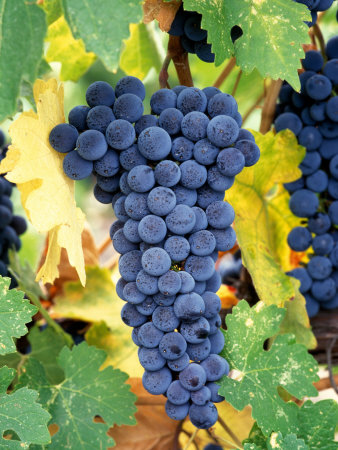
Cabernet-Sauvignon-Grapes

(Cabernet Sauvignon Grapes)

Warm Climate Reds 

Grenache, Mourvedre, Cabernet Sauvignon, Syrah, Tempranillo, Zinfandel, Malbec, Merlot, Sangiovese
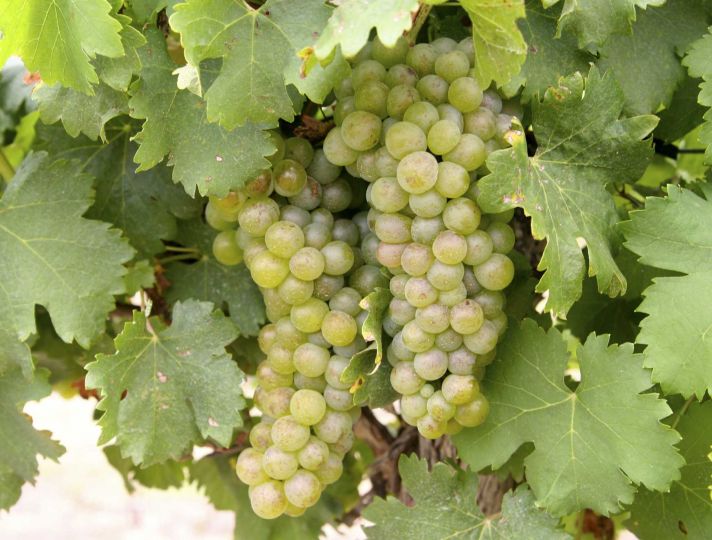
Viognier grapes

(Viognier Grapes)

Warm Climate Whites

Viognier, Roussanne, Marsanne. Chardonnay, Sauvignon Blanc

Pinot noir Grapes

(Pinot Noir Grapes)

Cool Climate Reds

Pinot Noir, Cabernet Franc, Syrah, Nebbiolo, Merlot
riesling-wine-grapes

(Riesling Grapes)

Cool Climate Whites

Chenin Blanc, Riesling, Sauvignon Blanc, Albarino, Pinot Gris, Glera, Chardonnay, Gewurtztraminer

Climate Affect on Wine Character

There are many more varietals in each category, but these are frequently seen in single varietal formats and are the most common. Notice that Chardonnay, Sauvignon Blanc, Merlot and Syrah are listed as both. These four are the most versatile wine varietals in the world. They can make quality wines in both warm and cool climates, but keep in mind the flavors and textures are totally different when grown in the different locations. Warm climate Merlot has less acidity/tannins and can be beautifully soft, or horribly flabby. Warm climate Chardonnay usually has less acidity and tends towards simple citrus flavors. Most warm climate Sauv Blanc tastes like fresh mown grass mixed with lemonade to me, but others enjoy it. Warm climate Syrah is another story… warm climate locations are better when moderated by a Mediterranean climate, but these areas can produce killer wines. Cool Climate locations can produce exceptionally complex Syrah, but sometimes are a little weak on fruit flavors, so are often mixed with Viognier to enhance approachability. I enjoy these wines tremendously.

What to Look For?
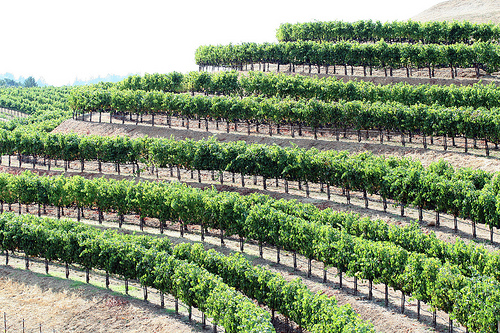
Spring Mtn Vineyard

(Spring Mountain Vineyard)

Inland Locations at Higher Elevation

(roughly 2,000-4,000 feet)

For example, try the top of Spring Mountain AVA and Howell Mountain AVA in Napa Valley. You will find bold wines with a pleasant blend of acidity, tannins and alcohol there. In the hands of an expert winemaker, these vineyards can produce a wonderful, fully developed mid-palate. Haven’t heard the terms “attack”, “mid-palate”, or “finish”? Drop me a line and I will write a piece explaining these wine characteristics!
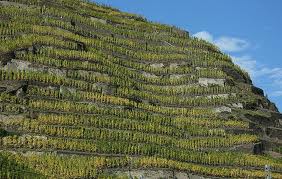
Mosel Vineyard

(Mosel Vineyard)

Steep Vineyard Sites

These sites stress the vines and drain them very effectively. The berries are usually smaller and the fruit (and resulting wines) always have more intense flavors. These vineyards are everywhere, just keep an eye out. The opposite holds true, be careful with wines made from valley floor fruit. If not managed carefully, these vineyards can become bulk wine territory! The most extreme examples lie in the Mosel Region in Germany.
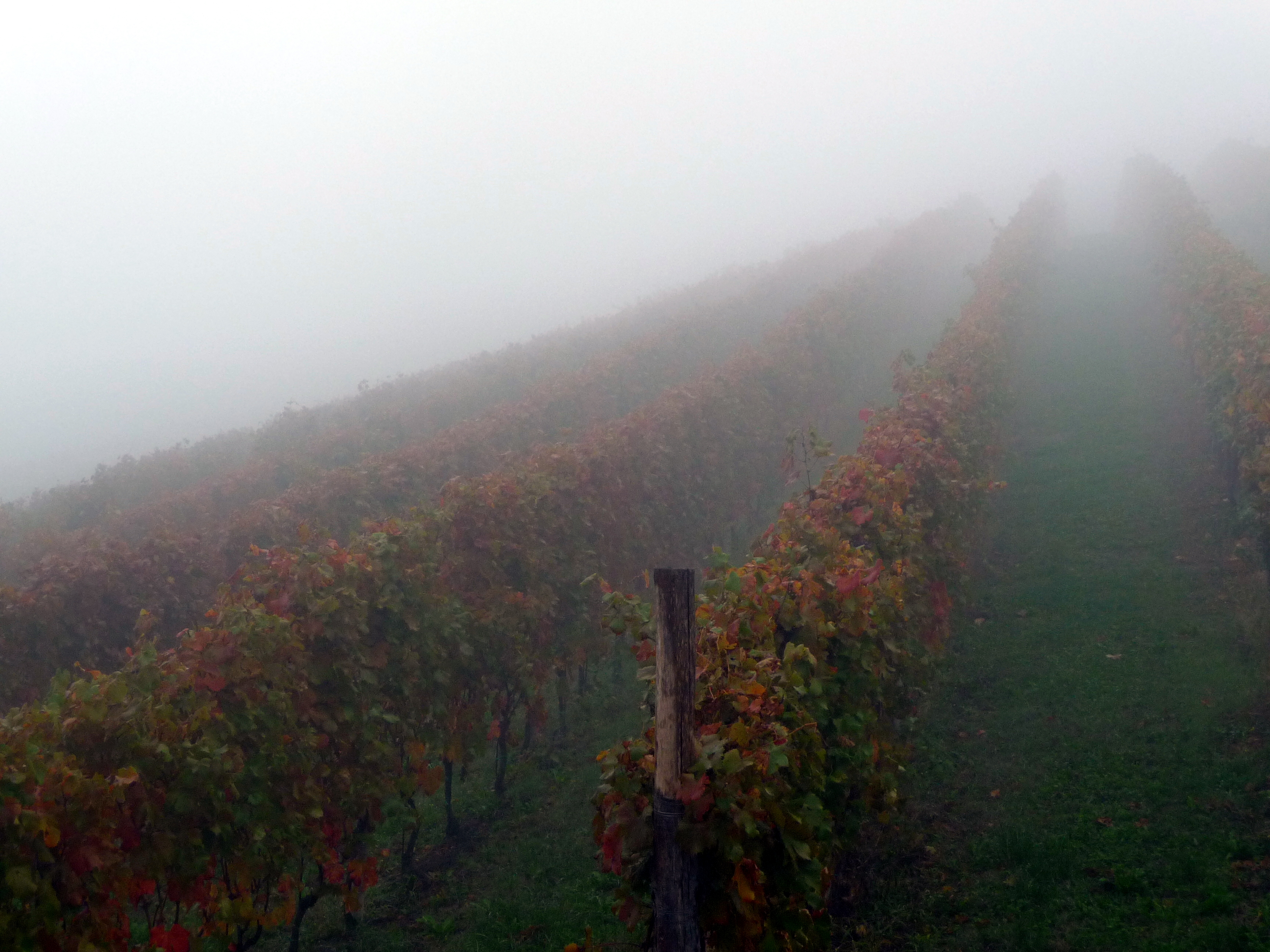
Langhe_vineyard

(Langhe Vineyard)

Inland Foggy Locations

Remember those Cool Climate varietals… if there is enough sunshine to fully ripen the berries at these sites, WATCH OUT! These wines are amazingly good. These vineyards can produce complex, fruit forward wines with high acidity. Watch your vintages with these producers. In cooler years, these wines can be very rustic, and/or thin. U.S. Examples: Santa Rita / Santa Maria AVA, or Russian River AVA.
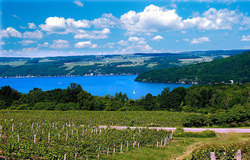
Finger-Lakes-vineyard

(Finger Lakes Vineyard)

Inland Locations Adjacent to Large Lakes

Often, cold winter climates can support vineyards in these areas. The lakes moderate the low temps at night during bud-break and harvest (Spring & Fall). Depending on the amount of sun, these vineyards can produce fresh, brisk white wines, or a well-balanced lighter style of red wine. U.S. Examples: Lake County AVA or Finger Lakes AVA.
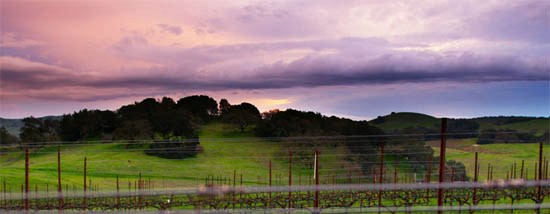
Sonma coast Vineyard

(Sonoma Coast Vineyard)

Coastal Locations

These sites can produce excellent, or horrible fruit from vineyard to vineyard. The best sites don’t get a lot of rain and are watered by the dew and fog. In addition, higher elevation sites adjacent to the coastline are an advantage. The elevation offers more time above the morning foggy conditions to ripen the fruit and destroy the potential mildew. These vineyards will not produce easy drinking wines, but if you like complex flavors (sometimes unusual) and good structure, try a few of these and find out if they are for you. U.S. Examples – Sonoma Coast AVA.

Conclusion

Valley floor locations almost always produce easier drinking softer wines, especially when located in warmer climates. These are not my kind of wines, but I recognize that many consumers enjoy this style. Each to their own, but at least with this information, you can understand what influences how these wines taste. If you are willing to evaluate your preferences and find the vineyard locations that match your palate for each varietal, it will enrich your wine experience (find my preferences below).

Vineyard Locations I Prefer (a few)

Chardonnay – Burgundy AOC, Champagne AOC, Mendocino AVA, Santa Maria and Santa Rita Hills AVA, Russian River AVA

Sauvignon Blanc – Marlborough Appellation, Sancerre AOC

Chenin Blanc – Vouvray AOC, Stellenbosch and Swartland Appellations

Merlot – Right Bank Bordeaux AOC, Spring Mountain AVA, Walla Walla AVA

Cabernet Sauvignon – Napa Valley AVA, Left Bank Bordeaux AOC, Bolgheri Superiore IGT, Maipo Valley Appellation

Syrah – Southern and Northern Cotes du Rhone AOC, Paso Robles AVA, Walla Walla AVA, Barossa Valley Appellation

Pinot Noir – Burgundy AOC, Willamette Valley AVA, Santa Rita Hills AVA
3 Comments

Filed under Cool Climate Wine, Wine Education, Wine Industry, Wine Travel

Why Do Wines Taste Different? – Part 2a: Climate

Continuing the two part series, well… I realized this topic was just too much for one additional piece. Don’t forget, I am no industry expert. This piece is only offered from the perspective of the impact on enjoyment of wine flavors and structure. Folks, I have tasted a LOT of wine. Over the years, you ask questions, and you learn which factors affect the wine and how. Now I am sharing that experience with you.

PART 2a – How Terroir Affects the Fruit 

This second part in the series is the most complicated. This installment in the series provides insight into the location factors that influence wine flavors. It is impossible to cover these next topics without technical detail. I apologize in advance for diving into the dryer Somm training. I will try to associate these influencing factors with their specific impact on flavors and structure, so it will offer more interest and meaning…

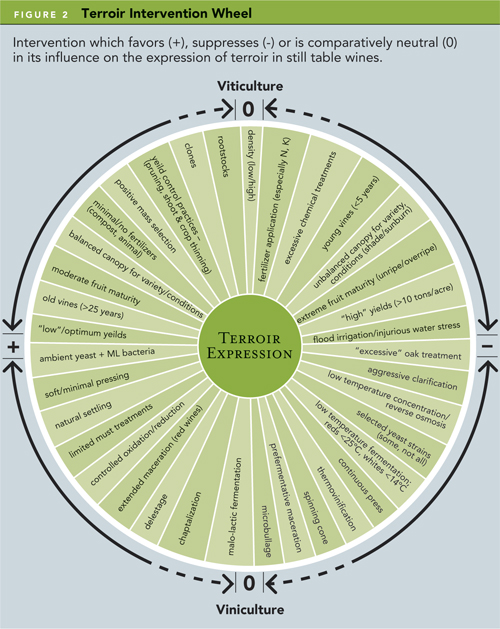
0601_g1_2_terroir-wheel

Climate is closely related to the idea of “terroir”. I put the term in quotes, because it is a concept more than a word. Terroir impacts both flavors and structure in wine (for example: blackberry and acidity). Here is the Webster Dictionary definition: “The combination of factors including soil, climate, and sunlight that gives wine grapes their distinctive character”. Close, but there is more to it than just that. Some additional ideas would be: proximity to bodies of water (i.e. lake, ocean), heavy winds, or fog during the growing season and the most important – local wine growing traditional practices.

Each of these can have a bigger influence than you would think:

  • Foggy mornings can add a considerable amount of acidity to the fruit and ultimately the wine.
  • Heavy winds have a more basic function – the wind keeps the berries dry, so thinner skinned varieties (Pinot Noir, Merlot) can be grown in humid climates, without mildew and rot.

Wine growing tradition can affect things like:

  • Trellis design – Overhead trellising (called Pergola and common in Italy) makes it impossible to practice canopy management. This can lead to inconsistent vintages from varying weather conditions. Without canopy management, it is difficult to control producing burnt vs. under-ripe fruit from year to year. Italy has been slowly converting their premium vineyards to head-trained trellis and pruning systems for this reason.
  • Yield per acre – Some regions can produce 8 tons of fruit per acre, or more. This is bulk wine territory. You can taste the difference when fruit is pruned from the vines early and the yield is reduced to 2-3 tons per acre, commonly found in the premium wine category. This always develops more concentrated and complex flavors. Ask a winery about the yield per acre for their fruit source. They should be able to tell you immediately. It is a VERY important decision and will separate quality wines from bulk wine. Your dividing line is at about 4 tons per acre.

Terroir can also be a philosophy of sorts. Have you ever considered wine to be a unique indicator of “place”? Wine can and does reflect local cuisine and culture. In many of the Old World wine growing regions, wine is viewed as a definitive indicator for the location where it is made. That is why they have actual government laws regarding how wine must be made in many regions. In this way, Wines from St. Estephe AOC, or Sancerre AOC all have a consistent character. Before my Somm training, I would have told you this was completely crazy. In the U.S., we don’t think of wine in this way, but still… when I drink a Napa Cab Sauv, it does take me back to past visits to Napa Valley.

Affects of Climate and Location on Wine

So, now let’s pick-up where we left off in Part One and dive into the climate and location factors that influence the flavors in wine:

Where is the vineyard located, in a: Maritime (adjoining ocean), Continental (inland), or Mediterranean (moderate temps & ocean influence) Climate? If you add soil type, these are THE most important factors in vineyard influence on the wine. So, how does this affect the way we experience the wine? Let’s start with climate. The primary impact of climate is on the varietal selection planted. As an example, varietals grown in the Loire are completely different than those grown in Bordeaux and those choices have an obvious impact on flavors in wine from the two regions. Within the same varietal wine, the climate difference impacts structure: Acidity, Tannins, Alcohol, Complexity (especially mid-palate) and Balance. This is the part of the discussion that becomes more variable and interesting.

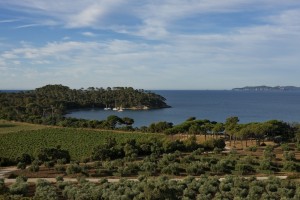
Winery Provence

Provence Region, France

Maritime Location

In Northern Latitudes, these locations can be cool with fog, but winter temps stay moderate. If the growers can get the grapes fully ripe, watch out – fantastic wine results. Think acidity here. Wonderful climate for growing cool climate red varietals (if the soil is right) like Pinot Noir, Cab Franc and Syrah. This type of climate can also produce interesting cool climate style whites, like Chardonnay, Albarino and Pinot Gris. Think U.S. Sonoma Coast, or Spanish Rias Baixas. In Southern Lattitudes, the hot days and cool nights make killer warm climate reds, like Cab Sauv, or Grenache. Think French Provence, or Italian Tuscan Coast.

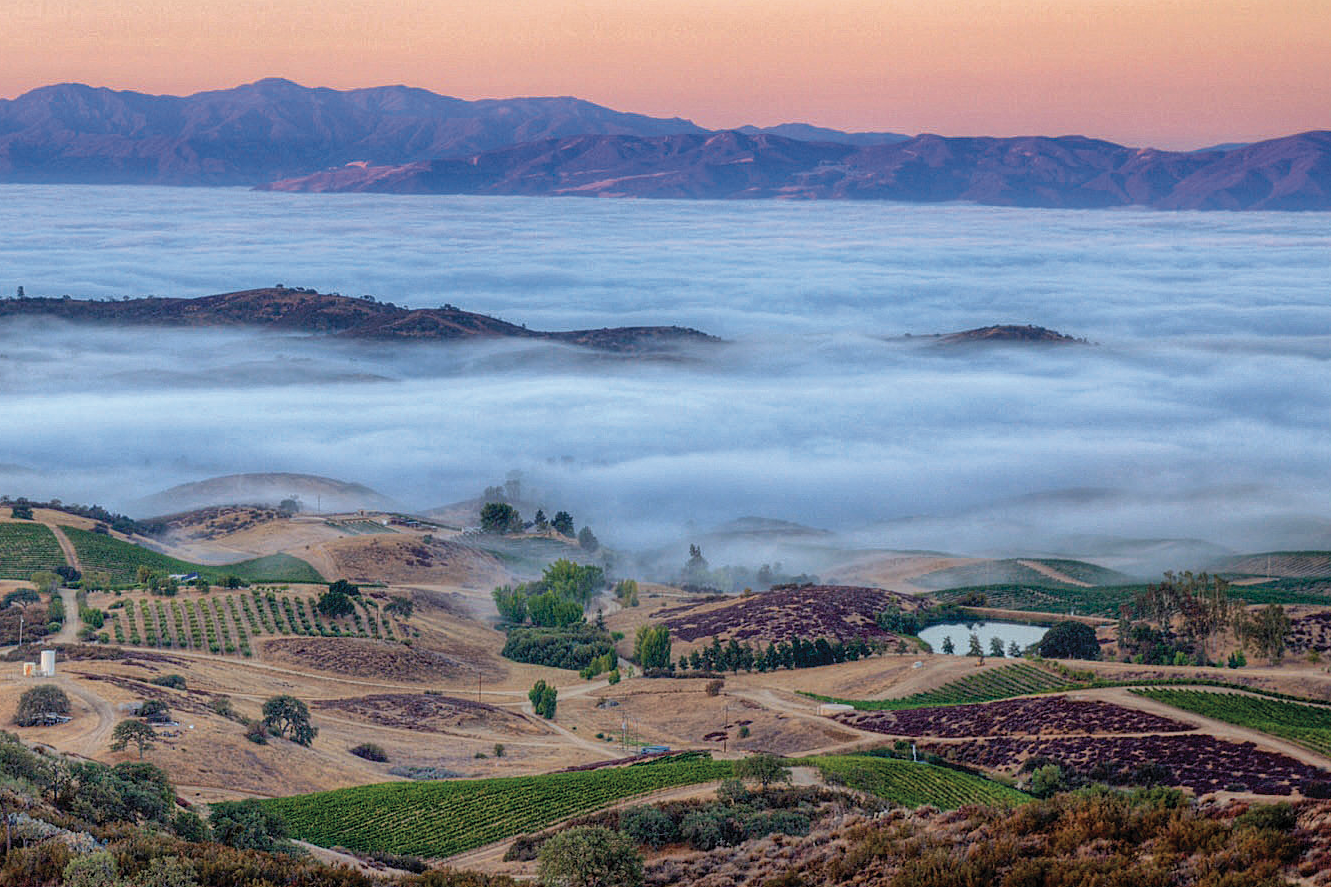
Clear Lake Pic

Clear Lake Region, CA

Continental Location

These inland locations do not have the moderating affect of the ocean, so these regions cannot extend too far north, or south for that matter. Wine grapes have very specific climatic needs. A very interesting and different example is the California Clear Lake AVA – an inland location, but at higher elevation with a large adjacent lake. This AVA is starting to produce structured wines and as the local industry comes to understand the vineyard sites better, the wines form this area will continue to improve. The varying Continental climates can produce a wide array of varietals. Burgundy, France is the classic premium appellation. In the U.S., it might be Walla Walla Valley AVA.

northern-rhone-vineyard

Rhone Region, France

Mediterranean Location

These wine growing locations tend to be in southern latitudes, inland along rivers within 50-150 miles (or so) of the coast. The best reds produced in these areas are usually from Syrah and Mourvedre grape varietals. In the whites category, the varietals to look for would be Viognier, Marsanne and Roussanne. These areas offer some of the most complex wines in the world. You often find wines from these areas with crazy flavors, like: olive tapenade, tar and mint. Sounds unpleasant… but try extending your budget when the opportunity arises and buy a nicely aged bottle of Cote Rotie. Be prepared to have your socks knocked off! The classic premium appellation might be the Rhone Region in France. In the U.S., it would be San Luis Obispo County (Paso Robles AVA).

Conclusion

If you haven’t noticed what these locations have in common, think hot days and cool nights.

Grape vines need enough sunshine to ripen the fruit, but not too much heat… or else the wine tastes too flabby (try bottled grape juice). Cool nights add acidity, without which wines taste flat. It helps if Winter can be a little cold, so the vines can more effectively shut-down, go dormant and rest part of the year. Extremes within any of these factors makes for lousy wine, or dying vines.

This has been a brief review of Climate and its impact on Wine. The next piece will cover our most favorite topic – DIRT and vineyard site selection. I hope this series is offering deeper insight into the factors that affect wine flavors and structure. In particular, if you are interested in Wine Travel, this is the information that will make the experience much richer!

2 Comments

Filed under Cool Climate Wine, Wine Education, Wine Industry, Wine Travel

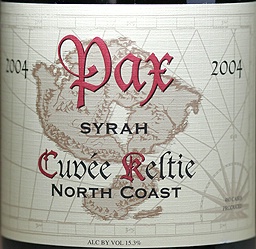
Pax Cuvee Keltie Syrah North Coast

22118


Pax Wine Cellars

2004 Cuvee Keltie Syrah North Coast

California, North Coast

Wine Tasting Note:

Initially, this was too hot and closed directly out of the bottle. After a one hour decant: blackberry and mint on the nose. The nose had a bit too much alcohol to enjoy. 11 years in the bottle and still plenty of structure with medium-high tannins and acidity. As you would expect, the freshness of the fruit is gone. The palate is of blackberry, black currant and bitter dark chocolate with a short finish. The alcohol is evident, but not over-whelming. The big winner here is the mouth-feel. A beautiful Northern Rhone kind of character that starts a little oily and finishes with mouth-coating, grainy tannins that were a little to the rustic side of velvetty. This wine has the structure to sit in the cellar much longer, but the fruit will not last. Best drinking window is/was probably 2012-2016. I have seen other recent tasting notes that describes a fruit-forward wine with a sweet finish. This bottle was very dry and had a subdued fruit character.

All-in-all a nice effort to produce an age-able, structured Syrah with a Rhone feel. This would have been a 95+ wine, if the alcohol component had been more balanced against the total profile.

2 Comments

Filed under Cool Climate Wine, North Coast, Syrah/Shiraz, U.S. Wines by Region, Wine Tasting, Wine Tasting Notes

Vintage 2014 Event – A Wine and Film Pairing

VINTAGE 2014

Link:  http://vintage2014.com/

Location: The Mod – Phoenix, AZ

Event Date: Sunday, November 9, 2014

This event was underwritten by the Santa Barbara County, California producers Buttonwood Farms, Clos Pepe, Byron, Carr, Bien Nacido Vineyards and Riverbench Wineries with the film portion produced by Wil Fernandez. The cinematography was beautiful and the pieces were well edited and offered the background for these wineries from bud-break leading up to the 2014 Harvest. The story was told through the eyes of the Winemakers, Vineyard Managers, Winery Managers and Owners. Wines from several of the wineries covered in the film were tasted at the showing.

Wil captured visually the story I have been trying to tell for some time now… (see recent post: https://coolclimatewine.wordpress.com/2014/11/07/terroir-controversy/).

Estate wineries are very aware of Terroir influences and the winemakers tend to be connected closely to each individual growing season and vintage. This connection is most often just the simple enjoyment of working in and among the vineyards. These people are down-to-earth and talk of their passion for the horticulture and viticulture associated with nurturing the vines. It is the marketing hype and food service functions that add the high-brow approach to the wine experience. If you enjoy the culture of wine, I would highly recommend attending one of these events to visually capture the winegrowing experience! If you contact Wil, I am sure he can provide information regarding future showings.

You can reach the film maker Wil at: me@wilfernandez.com.

FLIGHT 1 – WHITE WINES (2 NOTES)

 Nice SB and Chard. This area makes some of the best quality value whites in CA.
  • 2012 Buttonwood Sauvignon Blanc

    USA, California, Central Coast, Santa Ynez Valley

    93% Sauv Blanc and 7% Semillon. The Semillon is fermented in S.S. and then barrel-aged. The Sauv Blanc is fermented and aged in S.S. Aged on the lees according to winery manager in attendance.

    Typical better quality California SB. Grass and citrus on the nose. Solid acidity would contribute to a great pairing with seafood, or salad. The palate is full of lemon and grapefruit, with a touch of butter on the finish. Crisp texture, but with a slightly bigger mouth-feel from the lees.

  • 2013 Riverbench Vineyard & Winery Chardonnay Bedrock Riverbench Vineyard

    USA, California, Central Coast, Santa Maria Valley

    100% S.S. and aged on the lees according to winery manager in attendance.

    Strong lemon on the nose. Palate of lemon curd with a noticeable finish of banana. Interesting salinity from beginning to end. Strong acidity. The lees soften the crisp mouth-feel somewhat. Good complexity here, if that is your style. I enjoyed this wine.

FLIGHT 2 – PINOT NOIR (2 NOTES)

Disappointed with the Pinot showing here. These producers either were not tasting their better products, or have not jumped onboard with the idea of Terroir influenced wines.

  • 2012 Byron Pinot Noir

    USA, California, Central Coast, Santa Barbara County

    Brown butter and butterscotch on the nose. Light, watery soft texture. Very simple on the attack. Palate is mostly black, with some red cherry, and butterscotch, but is very subtle and barely fruit forward. Mid-palate has some dark chocolate with virtually no finish. Overly manipulated Pinot Noir, that fortunately has been made not to overwhelm. Difficult to get past the heavy toasted oak.

  • 2010 Bien Nacido Vineyards Pinot Noir Santa Maria Valley

    USA, California, Central Coast, Santa Maria Valley

    Bright red cherry on the nose. Initially peppery on the palate, with a sweet red cherry mid-palate and virtually no finish. With all the sweet red cherry, this wine could have been better focusing on a crisp, fresh quality. Drinkable, but doesn’t quite come together.

FLIGHT 3 – RED WINE (2 NOTES)

Carr makes a few of the better vineyard designate Syrahs in Santa Barbara County, but this one didn’t have the mojo. The Cab Franc… now, that was some great stuff and a good value too!

  • 2012 Carr Vineyards & Winery Syrah

    USA, California, Central Coast, Santa Barbara County

    Weak nose. The palate is fruit-forward with boysenberry, red cherry and sweet raspberry with a buttery finish. Medium-high acidity. Watery mouth-feel. Medium tannins. Very simple profile. Carr produces some wonderful single vineyard Syrahs, but this missed the mark.

  • 2011 Carr Vineyards & Winery Cabernet Franc Camp Four Vineyard

    USA, California, Central Coast, Santa Ynez Valley

    Nothing like a wine with a floral nose… Nose full of violets, red plum and black pepper. Silky soft mouth-feel. Medium tannins and medium-high acidity. Palate of plum, blackberry and spice with a medium-long dark chocolate finish. Carr makes very enjoyable, reasonably priced, drink-now Cabernet Franc. Enjoy!

Comments Off on Vintage 2014 Event – A Wine and Film Pairing

Filed under Cool Climate Wine, Santa Barbara County, U.S. Wines by Region, Wine Industry, Wine Tasting, Wine Tasting Notes

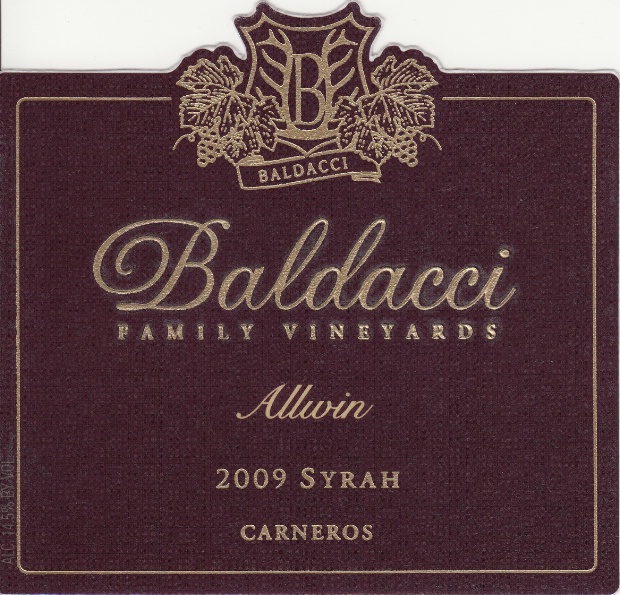
2009 Baldacci Family Vineyards Syrah Allwin

254280

Baldacci Family Vineyards Syrah Allwin

California, Napa Valley, Carneros

Wine Tasting Note:

A beautiful aged Syrah. Dinrk now… this is smack in the middle of its drinking window. The nose is full of rich plum and blackberry fruit with a woody, creme brulee note. On pop and pour all you get is cashmere in the mouth. What wonderful texture! The wine is initially closed. After a 30 min. decant – the plum and blackberry becomes persistent and in front. The mid-palate is full of oak, rich brown butter and spicy clove with a medium-long dark chocolate finish. The tannins are partially resolved and medium. The acidity is medium-high producing a nice backbone. The alcohol is well integrated. An extremely balanced wine! The richness and smooth texture of this wine will only pair well with the richest foods. Falls a little flat on the finish, but I can forgive… On its own, it is an after-dinner crowd-pleaser that your guests will likely not forget. A cool-climate Carneros Syrah lives up to its potential again!

Comments Off on 2009 Baldacci Family Vineyards Syrah Allwin

Filed under Carneros, Cool Climate Wine, Napa Valley, Syrah/Shiraz, U.S. Wines by Region, Wine Tasting, Wine Tasting Notes

2007 Carr Paredon Syrah

IMG_0184[1]

Carr Paredon Syrah

California, Central Coast, Santa Barbara County, Santa Barbara

Wine Tasting Note:

The fruit originated from an estate vineyard south of Santa Barbara (city). One of the few ocean-facing vineyards in the area. Copious amount of fruit on the nose and palate for such a cool, foggy location. I will track future vintages… as the vines age this will become one of the better syrah producing sites on the Central Coast. – Fruit forward nose of thick plum, blackberry and eucalyptus. Fruit forward palate of plum, blackberry and milk chocolate. The mid-palate transitions to loads of sweet vanilla, with a medium-long finish of bitter chocolate. Medium-high acidity and high tannins. The tannins have the good grace to wait and present on the finish. Wonderful thick texture and mouth-feel. Missing some savory aspects of Northern Rhones, but all in all… a nice new world cool-climate syrah. Almost like a black-fruit zin… but more texture. This will improve with some time in the cellar. I enjoyed the wine today, but give it 3-4 more years for the fruit to subside and the tannins to soften and this should become a superior, balanced wine.

Comments Off on 2007 Carr Paredon Syrah

Filed under Cool Climate Wine, Santa Barbara County, Syrah/Shiraz, U.S. Wines by Region, Wine Tasting, Wine Tasting Notes

California Clear Lake AVA – Up and Coming Cool-Climate Region

Tasting the Wines

I have recently tasted a few wines from this region: Ceago Merlot and Chacewater Malbec. While not yet having reached the status of other cool-climate growing regions such as Mendocino Ridge,  or Santa Barbara AVA’s, I was quite impressed with the improvement in the wines since my last taste through this area. Better structure and balance than in the past and the wines seem to be finding the cool-climate complexity that I have come to really appreciate.

The Future of Clear Lake AVA Wines

For a continental climate, the area has an extreme moderating factor – the largest freshwater lake in California in its midst. The climate is much cooler than the nearby North Napa Valley area, due to its elevation. The growing season seems to drop just cool enough to add character and acidity, but stays warm enough during the day to allow ripening of red varieties such as: cab sauv, merlot, syrah, petit sirah and malbec. It is time for me to visit the wine trail in this area again and talk with the winemakers. At prices in the $15-$30 range, the QPR (quality to price ratio) of these wines is good… but my hope is, the quality will continue to improve and I will have another area seriously contending for my wine dollars.

Comments Off on California Clear Lake AVA – Up and Coming Cool-Climate Region

Filed under Cool Climate Wine, Wine Industry, Wine Tasting, Wine Travel

Sassicaia vs. Ornellaia Smackdown – The Battle of the Super Tuscans

In a recent trip to Italy, my wife and I stopped into Enoteca Tognoni and tasted all wines on tap.

In general for the price point, the wines tasted were disappointing, with a notable exception. All the wines were very much French Bordeaux in style, but missing the finesse of the fine wine making tradition in France. One of the exceptions was Tenuta San Guido. Sassicaia was a truly an amazing wine and far beyond the other wine there. We also tasted Le Macchiole, Ca’Marcanda, Sapaio, Guado al Tasso and Grattamacco, but the Sassicaia and Ornellaia were clearly above the others. Tasting notes below:

2009 Tenuta San Guido Sassicaia 95 Points

Italy, Tuscany, Bolgheri

Tasted with a plate of prosciutto, cheese, olive oil and bread. Started just like a typical Super Tuscan… light texture, subdued alcohol, red and black cherry fruit with a dark chocolate finish… then, as you ponder what’s in the glass, the realization hits you. This wine is so well made, nothing is out of place and the entire experience is just right. All parts of the wine show themselves without overpowering. The texture is light, but silky and coats the mouth. There were strong tannins and acidity for a good backbone, but it did not prevent the wine from coming together. This wine presented a beautifully balanced, structured and harmonious profile.

2009 Tenuta dell’Ornellaia Superiore Ornellaia 92 Points

Italy, Tuscany, Bolgheri

Tasted with a plate of prosciutto, cheese, olive oil and bread. Again, a typical Super Tuscan… light texture, subdued alcohol, red and black cherry fruit with a dark chocolate finish. Definitely well made, but did not leave you with that “wow” factor. For the same rough price point (approx. $200/btl.), the Sassicaia had bowled me over, whereas the Ornellaia just had me thinking this is “pretty darn good”. Maybe a little too thin in comparison? There was good structure, with strong tannins and acidity here too.

Conclusion

Perhaps the comparison was unfair and it was simply that particular vintage, but the difference seemed to be in the vinification, rather than the quality of the fruit. Of course, it could just be a personal preference, but for me the Sassicaia was not only more accessible young, but showed tremendous bottle aging potential.

Comments Off on Sassicaia vs. Ornellaia Smackdown – The Battle of the Super Tuscans

Filed under Bolgheri, Cool Climate Wine, Italian Wine, Super Tuscan Blend, Toscana, Wine Collecting, Wine Tasting, Wine Tasting Notes, Wine Travel

The 100 Point Wine Rating Scale has Become…

As wine media has begun reaching the consumer and wine critics are becoming rock stars… You have to ask yourself, just exactly how does this rating system work? On many websites, you will find an attempt at an explanation that reflects how the major critics SEEM to interpret it, but… does anyone really know definitively? There are no hard and fast rules. So hear is a quick look under the hood from the perspective of using the ratings as a method of selecting wines for your cellar.

As you walk through wine websites, you begin to notice there are virtually no ratings under 80, or over 95. I think the worst rating I have ever given a wine is 82. Of course this seems absurd, but regardless, if this is the standard… what do the ratings really mean? If you are the type that needs to make sense of this mess, follow me on my journey.

Criteria for the System

What exactly do the ratings evaluate: drinkability, age-worthiness, structure, balance? How do you compare entirely different styles using the scale: red, white, old-world, new world, sweet, fortified, etc. I am sure you get my drift here. Every critic’s wine notes and evaluation process is based on a different standard, therefore there is no frame of reference for the consumer. So, do the ratings have any real value, or are they just marketing ploys? Well, perhaps the intent is entirely marketing-focused, but I believe I have found ways the ratings can assist me in my wine purchasing decisions:

Assumptions

The majority of wine critics (AND fine wines collectors) have developed an educated palate. This assumption is important and I think largely true. I know for myself, I may not like a wine that others view as enjoyable, but that does not mean I cannot appreciate its quality. If the winemaker has produced a quality wine in its structure, balance and extracted flavors/aromas… I will not give it a poor score, even when I do not care for the wine personally. Again, I think this to be largely the case with the most (but not all) professional/semi-professional critics. the breaking point here for me is at 90. If the wine is rated 90, or over from several sources, odds are – it is a quality wine… but that does not guarantee that YOU will enjoy it. It is simply a place to start weeding out bottles not worth the investment. In my case, I know, I am missing many wines I might enjoy in the 85-89 range, but I try to visit wineries to sample what I can of those.

Callibrating Your Palate

Calibrate a particular critic’s palate to yours. Take a few minutes to taste wine and compare your impressions to the critics ratings and find one that generally matches your impressions. In my case, of the major critics, I think Stephen Tanzer is the closest to my palate. It is worth the time to find your match. I place a little more weight on an evaluation, when ST writes the note. Again that is just me personally.

Should the System be Changed?

I have read and many have explained to me that winemaking technology has improved tremendously over the last two decades and therefore there truly is no more “bad” wine… which is the reason why ratings do not drop below 80 any longer. I am willing to accept that, but if that is the case, then we MUST move to another system. I also believe a criteria for a new ratings system needs to be established. When I choose to purchase wines I have not tasted, here is my criteria:

  • Structure and balance: acidity, tannins, all the parts work together? Fuller, rounder wine with a mid-palate?
  • Fruit: fruit-forward, or not
  • Texture: wine coats your mouth, or crisp and clean
  • Terroir: the wine includes an expression of the local terroir?
  • Finish: flavors linger?

IMHO, if we rated each of these categories 1-10, that would provide a useful wine rating and evaluation!

Comments Off on The 100 Point Wine Rating Scale has Become…

Filed under Cool Climate Wine, Restaurant, Wine Industry, Wine Tasting, Wine Travel

When is Winemaking Art?

OK, for you collectors that have a large cellar that you cherish, this is for you…

Age-Worthy Wines

I am often surprised by critic’s characterizations of wines that will age well. I see five years, ten years, thrown out there all the time, without a clear justification. I want to know WHY a wine deserves to be called “AGE-WORTHY”. No, there is no mystery to the educated palate that is inscrutable to the rest of the world (unlike what some critics would like you to believe). I think most who have already been introduced to wine and lay down at least a few bottles know that red wines without acidity and tannins, do not handle bottle aging well. What I almost never hear is a discussion of balance and structure. This is what defines age-worthy wines. Tasting notes for wines the industry typically views as age-worthy should focus on this aspect. I have not experienced many wines that magically “come together” in the bottle. When some element is missing, or one aspect overshadows the rest, more time in the bottle will just make what was suspect in the first place, a more subdued version of the same mess.

Art in Wine

So, where does art fit into this picture? When a winemaker can coax a balance of acidity/tannins/alcohol/aromas-flavors/textures from a variable fruit crop, year after year. Any winery can make a fruit bomb, an easy drinker, or leverage an appelation’s fame – like Rutherford’s dusty tannins… but winemaking talent and the quality it produces is most often evident in balance, structure and harmony. It is like Vivaldi writing for a string quartet, the greater understanding of how the parts join to comprise the whole.

So, shouldn’t the industry be helping you to recognize these balanced, structured wines that you can still pop now if you must? I am at a loss to understand why there is so little mention of this topic in the majority of professional critics’ tasting notes. Having developed an appreciation for the issue, the only wines that truly send a shiver down my spine are these perfectly balanced young gems. I have almost a reverence for the talent required to produce a red wine that, while accessible young, still has tremendous aging potential. If you need an example, the 2009 Sassicaia I tasted recently struck me as such a wine. Perhaps you can help engage the industry in this discussion? It feels lonely out there on this topic…

Comments Off on When is Winemaking Art?

Filed under Cool Climate Wine, Restaurant, Wine Industry, Wine Tasting, Wine Travel