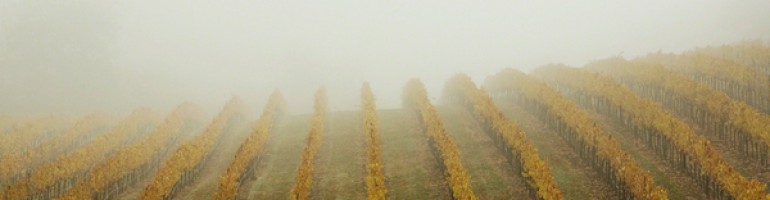

I was recently involved in a discussion regarding preferred wine tourism destinations among serious wine drinkers / collectors. Napa Valley is consistently drubbed for its utter lack of value. Average tasting room fees are $25 – $40/pp… to access top quality, it is not uncommon to pay $75/pp. Now granted, these wineries are so gorgeous – Napa Valley itself creates its own ambiance, but let’s move past honeymoons and anniversaries and talk year-in and year-out wine tourism destinations. My wife and I have vacationed in Napa at least 10 times in the last 20 years and while it was previously my favorite location, it is now third on my list behind the California Central Coast and Sonoma County. To make things worse, Napa tasting rooms have steadily become more impersonal, making me feel like one of the massive herd, or a bother, rather than a valued guest.
Yes, my favorite wine destination is the Santa Barbara and San Luis Obispo Counties area in California!
Destination Comparison
Cuisine / Restaurant Scene – Winner Napa Valley
The Central Coast is improving, but still has catching up to do.
Tasting Rm Fees – Winner Central Coast
1/3 to 1/2 the cost of Napa.
Tasting Rm Atmosphere – Winner Central Coast
The Central Coast is a big winner here. I have been getting tired of the attitude in Napa. The tasting rooms are so much friendlier almost anywhere else. I miss 10+ years ago when wine tasting was casual and inviting!
Lodging Value – Winner Central Coast
1/2 the cost of Napa with several resort quality properties to choose from.
Quality of Wine –Winner Central Coast
Slight edge, not because any single wine is superior, but because overall – the wines approach Napa in quality and the selection is amazingly diverse. There are top quality producers of Syrah, Cabernet Sauv, Zinfandel, Pinot Noir and Chardonnay here… in Southern Rhone, Bordeaux and Burgundy styles. All of this diversity is driven by an area with crazy climate variability.
Scenery – Winner Napa Valley
Maybe not as cozy as Napa Valley, but the hill and mountain regions west of Hwy 101 are very picturesque.
Beach – Winner Central Coast
No Beaches near Napa. This region has Pismo Beach.
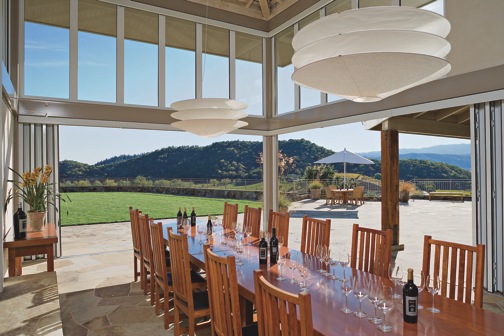
Winery Architecture – Winner Napa Valley
Napa has a big edge here, but some wineries are starting to spend big money in the Central Coast area.
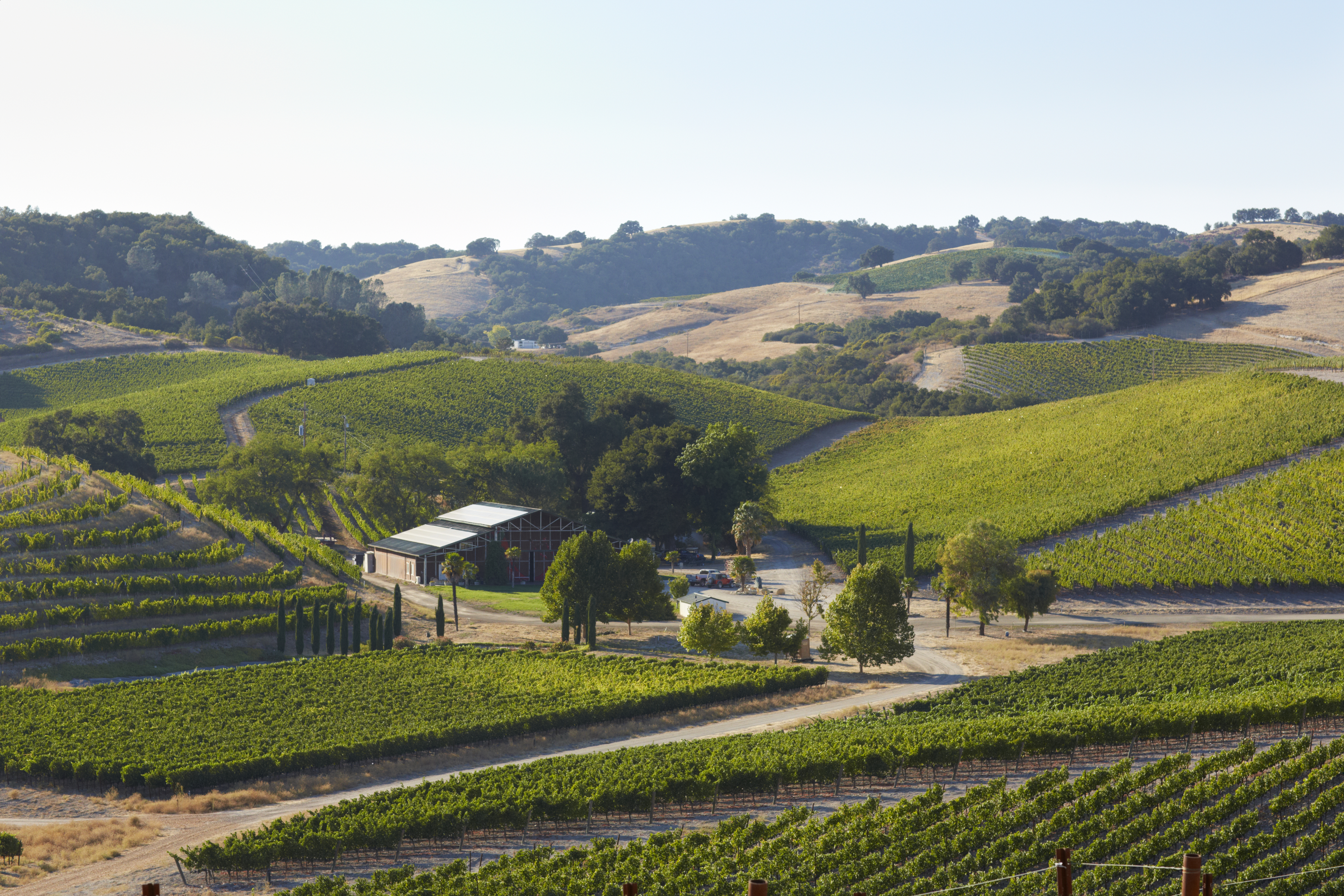
l’aventure winery
A Paso Robles Vineyard & Winery







 Douglas Levin - Trained, Certified Advanced Sommelier and Wine Writer
 Cool Climate Wine
The New American Way – Intolerance?
I want to thank everyone for their recent comments regarding my latest post. Many of you copied me on links to other commentary about the same event from last February. My piece was more about why a trade periodical would place the topic of “cheap” wine served at the White House on a 2014 Top Ten Most Important Wine Events list. Although, working my way through the other posts (especially Dr. Vino) highlighted strong opposing viewpoints and spilled over into party politics… prompting me to share with you my greatest concern regarding the future of our country…
Pervasive Intolerance
Shock jocks and political commentators have changed the framework for debate regarding important issues in this country and it has spilled over into every aspect of our lives. Polarized views, intolerance and failure to compromise are now the hallmark of the American Way. Our government is full of misguided politicians that believe the U.S. governing process is about catering to the extremes of each party (viewed as their core constituency), rather than the larger, more moderate middle.
Growing Apathy?
I don’t know about all of you, but doesn’t it seem like this current direction is actually building apathy and resignation within the general public, NOT engaging more people in the process? The internet seems to encourage this kind of extremism on all sorts of issues, including… in this case wine? I write about wine. There couldn’t be a more varied topic, especially in relation to the diverse personal tastes that can influence opinions. There is no right, or wrong. The topic should generate discussion, NOT strong opposing viewpoints.
How Do We Change This Direction?
I wish I knew the answer. Perhaps, it is more required education in ethics, values and the arts in college curriculums? I wish I had the answer… Since when did tolerance go out of style?
I apologize for such a negative topic on such a festive occasion, but I didn’t want to leave the response to comments for after the Holidays… BTW, most of the activity on my blog originates with click-thrus from the other sites I post on. Merry Christmas everyone!
Share this:
3 Comments
Filed under Political Commentary
Tagged as Intolerance, Political Commentary, Politics, Values, wine