Tag Archives: fine wine

How Do You Perceive Value in Wine?

I find this topic very interesting, when the discussion includes someone from the supply side of the wine biz… I think there is a heavy dose of cynicism that the industry tends to develop regarding the consumer’s view of value. I work in only a part-time ancillary role to the industry and perhaps because of this, I see the irony… In my experience, the people truly passionate about wine are usually the consumers!

Wine and Brand Loyalty

Perhaps my view has been colored by 20 years of wine travel, meeting small winery owners and hearing their stories. I feel very connected to their life’s mission and can relate to their journey in some small way. Maybe, it is even envy for that kind of passion… to produce something exceptional. I can justify premium wine costs in my mind, based on the additional steps to quality many smaller wineries employ. I am also willing to spend my wine dollars based on a sliding scale associated with my enjoyment of the product.

I know bulk wine and mass distribution can introduce you to the least appealing side of the industry. This post is the direct result of a conversation regarding a vehement inability to find the value in wine over $40/btl. I have had a different experience, with winery visits, wine dinners, wine collectors groups, education programs and interaction with wine enthusiasts that have all been fun, built friendships and perhaps even romanticized the industry a bit for me. Perhaps, THAT is where the real value in wine lies. Early in my wine years, I would derive great pride in finding the lowest priced wine of the best quality to fill my cellar. Today, I think more about the wine I can enjoy best with my friends. Heck, I buy wine for my wife that I would never drink by myself, let alone pay top dollar for. I admit it, sometimes I buy wine just because I am fascinated by the winemaker’s passion for the trade.

Today, so much premium wine is sold without an understanding of who and why the consumer buys the product. Building brand loyalty at the upper end of the market demands an understanding of your customers and why they buy…
Comments Off on How Do You Perceive Value in Wine?

Filed under Wine Collecting, Wine Industry, Wine Tasting

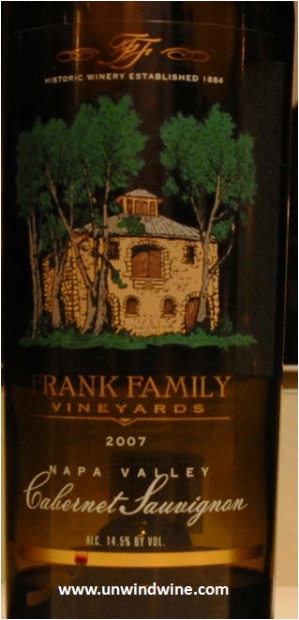
2007 Frank Family Vineyards Cabernet Sauvignon Napa Valley

190136

Frank Family Vineyards

California, Napa Valley

Wine Tasting Note:

Right out of the bottle, this wine was horribly disjointed. After a couple of hours, it started to come together. Maybe just a dead phase for the wine?. The nose is full of alcohol, vanilla and red plum. The texture is a bit thin. High acidity and medium high tannins. The palate is strange for a Napa cabernet. My first impression is of strawberry jam, but then in the mid-palate the traditional flavors show up of blackberry and plum and then leaves you with a medium length finish of lingering fruit and sweet vanilla. No minerality, or earthiness whatsoever. There has to be merlot mixed in this. The alcohol is less integrated than I would prefer. This wine had too much fruit and not enough complexity.

Comments Off on 2007 Frank Family Vineyards Cabernet Sauvignon Napa Valley

Filed under Cabernet Sauvignon, Napa Valley, Wine Tasting, Wine Tasting Notes

Fine Wines are Over-Priced? WATCH THIS!

I have been involved in many discussions regarding the cost of producing a bottle of wine. As bulk wine brokers tell it, no wine should retail for more than $15/btl. You talk to small wineries producing estate bottled wines and they will tell you their cost is $30-40/btl. Watch this video and you begin to understand the difference.

Paloma Vineyards

When I was at Paloma Vineyards a couple of years ago, the owner Barbara Richards was talking about making up to five passes through her vineyards hand pruning each vine and making the decision to drop up to a third of her crop to achieve the proper concentration in the juice. Then, literally harvesting a block at a time, as shaded, or sunny blocks were at optimum ripeness. When you add the labor for the kind of berry selection shown in this video and the loss of the culled fruit, you begin to see how premium wine production can become expensive.

Blankiet Harvest Selection Video

Here is the link: Antonio Galloni – Blankiet Estate.

Take a minute to check it out. This may sway your view of wine production costs.

Comments Off on Fine Wines are Over-Priced? WATCH THIS!

Filed under Wine Education, Wine Industry, Wine Tasting

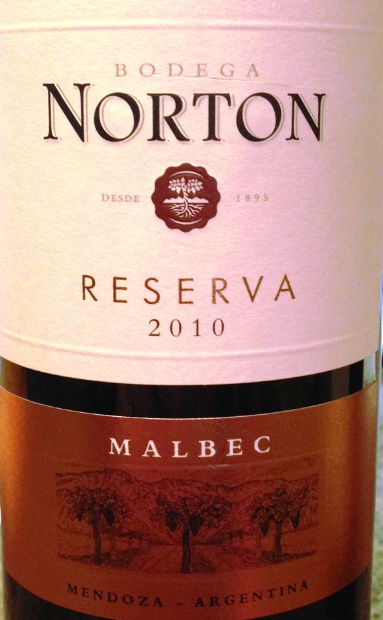
2010 Bodega Norton Reserva Malbec

Norton 274088

2010 Bodega Norton

Argentina, Lujan de Cuyo

Wine Tasting Note:

Lots of alcohol on the nose with black fruits. The most noticeable aspect is the texture. This a very soft, silky wine. The palate is not fruit forward. A bitter tar-like, smoky dark chocolate hits you first, then hints of vanilla and a brambly mid-palate. Not much finish. If there is fruit, perhaps black currant. Good acidity, with a minimum of tannins. A little disjointed. More tannins would add some balance and the virtual lack of fruit is a bit disconcerting. Drinkable and interesting, but not my preference for a daily drinker.

Comments Off on 2010 Bodega Norton Reserva Malbec

Filed under Malbec, Mendoza, Wine Tasting, Wine Tasting Notes

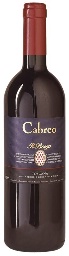
2008 Tenute Folonari Cabreo Il Borgo Toscana IGT

15147

Tenute Folonari

Italy, Tuscany

Wine Tasting Note:

Black cherry, blackberry, with a bit of vanilla and earthiness on the nose. Black fruit with a touch of prune on the palate initially, softening to a mid-palate of vanilla and a slightly bitter medium length chocolate finish. Good acidity with medium tannins. Nice silky texture initially, that turned a bit chewy after a few hours. Complex enough to make it interesting, but I really wish some of that earth on the nose would have come through on the palate. I enjoyed this wine… would be a good aperitif, or food wine paired with red meat, or red tomato sauce dishes.

Comments Off on 2008 Tenute Folonari Cabreo Il Borgo Toscana IGT

Filed under Chianti IGT, Super Tuscan Blend, Toscana, Wine Tasting, Wine Tasting Notes

Can You Buy Wine from Tasting Notes?

“I say old chap, is that a bit of Creme Brulee I taste in that Chardonnay?”

Whether it is creme brulee, fresh cream, tapioca, or whatever it is you think you taste in that chardonnay… it is likely to NOT be what I will taste. We all perceive flavors and aromas differently. One size does not fit all. So, when you read wine tasting notes with descriptors like “candied persimmon”, or “cigar box”, what does that mean to you? Frankly, most consumers probably couldn’t care less. Even with a trained palate, you wouldn’t put much credence into notes this specific.

How to Read Tasting Notes

There are very few specific flavors and aromas that deserve much attention. Tasting notes will be more relevant, if you can develop a level of comfort with much broader categories. These are the categories that are generally recognized.

Fruit & Floral Aromas / Flavors

When I read blackberry or plum, I think “black fruit”. When I read cherry, or raspberry, I think “red fruit”. When I read lemon, or grapefruit, I think “citrus”.  When I read pineapple, or mango, I think “tropical fruit”. When I read peach, or apricot, I think “tree or stone fruit”. When I read prunes, or raisins, I think dried fruit. When I read red rose, or honeysuckle, I think “floral”.

Herbal & Vegetal Aromas / Flavors

When I read straw, or grassy, I think “plant”. When I read sage, or mint, I think “herbal”. When I read green bell pepper, or asparagus, I think “vegetal”.

Mineral Aromas / Flavors

When I read flint, or wet rocks, I think “minerality”.  When I read mushroom, or forest floor, I think “earthy”.

Wood & Spice Aromas / Flavors

When I read cedar, or oak, I think “woody”. When I read pepper, or clove, I think “spicy”. When I  read toasted oak,  or bacon, I think “Smokey”. When I read cocoa, or mocha, I think “chocolate”.

Chemical & Bio Aromas / Flavors

When I read toast, or yeast, I think “bread”. When I read butterscotch, or stewed prune, I think “oxidized”. When I read barnyard, or cat pee, I think “bio odors” – stinky! When I read diesel, or burnt match, I think “chemical”.  When I read, butter, or cream, I think “rich dairy”.

Why Separating Flavors / Aromas into Categories Makes Sense

Broader descriptions of flavors tend to be recognized more successfully by the average person. Most people can easily relate to a “black fruit” description, versus a specific taste like “black currant”. Just translate these specific flavors into the more easily recognized broader categories and wine tasting notes start to make more sense. Then, you determine which general categories you prefer. Now, you are set to relate the flavor experience with the written wine description… and the realization grows that you MIGHT be able to use these notes to match your palate and buy wine. Obviously, it is better to taste wine before purchasing bottles, but this other process may allow you to step out on that limb and purchase a few unfamiliar wines to try.

Judging Wine CAN be Objective

There ARE wine descriptions you can take literally. These are characteristics that are quantifiable and much less subjective. These include:

Tannins

How much or how little?

Acidity

How much or how little?

Alcohol

Integrated, or too obvious?

Structure

Does the wine have a backbone? Does the wine have a mid-palate and/or a lingering finish.

Balance

Does the wine come together, without an individual aspect overpowering the other?

Texture

Does the wine coat the mouth? Is it silky, or velvetty?

Bottom Line

Yes, you can filter useful information from tasting notes. Can you count on this process for major purchases? – Definitely not! But… you can review tasting notes from trusted sources and single out wines you may want to experiment with. So, start reading those tasting notes again from a different perspective and give it a try. See if you start running into wines that rock your world and begin your exploration of the world of wine!

Comments Off on Can You Buy Wine from Tasting Notes?

Filed under Sommelier, Wine Collecting, Wine Education, Wine Tasting

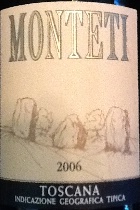
2006 Tenuta Monteti Monteti Toscana IGT

Tenuta Monteti IGT

Tenuta Monteti

Italy, Tuscany

Wine Tasting Note:

Not sure I have tasted a better bordeaux blend under $20 from any country. Nose of red plum, blackberry with slight vanilla, cinnamon and oak. The texture of this wine hits you like a ton of bricks – almost chewy. The 50% petit verdot is fantastic here. Good acidity, with medium tannins. Nice balance and structure. You can tell the fruit has begun to fade, but still has enough left to be fruit forward (must have been a bomb when young) with a big black fruit profile. I really like how this wine is totally dry on the palate, despite the fruit and vanilla. This would be a fantastic food wine for rich foods.

3 Comments

Filed under Italian Wine, Maremma, Super Tuscan Blend, Toscana, Wine Tasting, Wine Tasting Notes

California Clear Lake AVA – Up and Coming Cool-Climate Region

Tasting the Wines

I have recently tasted a few wines from this region: Ceago Merlot and Chacewater Malbec. While not yet having reached the status of other cool-climate growing regions such as Mendocino Ridge,  or Santa Barbara AVA’s, I was quite impressed with the improvement in the wines since my last taste through this area. Better structure and balance than in the past and the wines seem to be finding the cool-climate complexity that I have come to really appreciate.

The Future of Clear Lake AVA Wines

For a continental climate, the area has an extreme moderating factor – the largest freshwater lake in California in its midst. The climate is much cooler than the nearby North Napa Valley area, due to its elevation. The growing season seems to drop just cool enough to add character and acidity, but stays warm enough during the day to allow ripening of red varieties such as: cab sauv, merlot, syrah, petit sirah and malbec. It is time for me to visit the wine trail in this area again and talk with the winemakers. At prices in the $15-$30 range, the QPR (quality to price ratio) of these wines is good… but my hope is, the quality will continue to improve and I will have another area seriously contending for my wine dollars.

Comments Off on California Clear Lake AVA – Up and Coming Cool-Climate Region

Filed under Cool Climate Wine, Wine Industry, Wine Tasting, Wine Travel

Can We Make Heads or Tails Out of Wine Labels?

I am often flabbergasted at the “wine-speak” on so many labels. This is not a complete listing, just a shot over the bow at the most misused. Here is a go at cutting through the B.S.

American Wine Descriptors

Reserve

So, just what exactly are they reserving? Many wineries have you thinking this is the winemaker’s personal stash. Real meaning: this is the stuff we charge you more for, just because we can. Wineries are famous for including additional descriptors on this one, like “select reserve”, “private reserve”, or “premium reserve”.

Vintner Select

OK, would you really believe this one, if you saw it on a bottle? I have tasted wine from only one winery that uses this designation and fulfills the expectation: Pride Mountain Vineyards.

Estate Bottled

This is roughly what it says. The winery makes this wine from vineyards they own and control. The thought process here is, if the winemaker cares about the quality of the wine, he/she will watch over and tend to the quality of the fruit. While many of these wineries do produce very high quality wines, don’t count on it. There is a huge difference between a knowledgeable vineyard manager vs. a savvy winemaker.

Single Vineyard

All fruit used in the making of this wine came from one specific named vineyard. This CAN be a tool in selecting quality wines. If you track where the fruit originates in the wines you drink and you notice you consistently enjoy wines made from a specific vineyard… you just hit the veritable wine-o jackpot.

Single Block

All fruit used in the making of this wine came from one row, or section of one specific named vineyard. See Single Vineyard.

AVA – American Viticultural Area

This is the point of origin, such as the Napa Valley, Dry Creek, or Paso Robles (etc.) designation you see on the label. So guess what, only 85% of the fruit must come from that area to be referenced on the label. Here is another good one… by law in the U.S., if it says Cabernet Sauvignon on the label – only 75% of the wine must be made from that variety. The only restriction for the balance is, it must come from the same AVA. The possibilities stagger the mind.

Meritage

This applies when somebody paid the Meritage Association to use the name. For red wines, it represents a wine blended from any two or more of the following grape varieties: Cab Sauv, Cab Franc, Merlot, Petit Verdot, Malbec or Carmenere. Absolutely no implication of quality.

Bordeaux Blend

For red wines, it represents a wine blended from any two or more of the following grape varieties: Cab Sauv, Cab Franc, Merlot, Petit Verdot, Malbec or Carmenere. Absolutely no implication of quality. Geez, does that sound familiar? See Meritage.

European Wine Descriptors

Cru

A vineyard of notable quality, or specific terroir. Nothing to do with the quality of the wine. Single Cru – see Single Vineyard above.

Grand Cru

A vineyard producing an unusually high quality of fruit. Has a more specific meaning in the Burgundy region in France. See reference Beaune Committee of 1861, then forget you read it. You just have to ask yourself, who exactly is deciding this stuff? Also, just because the fruit is of high quality does not mean the wine is.

Premier Cru / 1er Cru

A vineyard producing an unusually high quality of fruit, just not as good as the Grand Cru. What? See reference Beaune Committee of 1861 and then forget it again.

1st Growth

Oh boy, here we go… best, most prestigious wineries in Bordeaux France. In reality, these were just the most expensive wineries at the time this classification was established – 1855. See Bordeaux Classification of 1855.

Be Skeptical of Wine-Speak and Make Your Own Evaluation

My guess is, at this point you have already lost interest, but for those of indomitable spirit… we trudge on with a few final comments.

By now you have probably figured out, what is on a wine label is so full of marketing gibberish, it is hard to distinguish what is of real relevance. Good luck on that one. In the U.S. vs. Europe, it is particularly a serious concern. In many parts of Europe, individual wine producing areas actually enforce practices to improve the quality of the wine from that area, unlike the U.S. with no such requirements.

I hear more and more from the industry that consumers are relying on their own tastes and making fewer buy decisions based on professional wine critics’ recommendations. In the same vein, it would be smart not to trust the wineries own professional claims printed on wine labels too! If you would like to share additional suspicious verbiage seen on a wine label, please email them to me at winedocg@cox.net.

Comments Off on Can We Make Heads or Tails Out of Wine Labels?

Filed under Wine Collecting, Wine Education, Wine Industry, Wine Tasting

Wine: The New Breakfast Drink?

World Wine Culture

Consumption patterns across the world are so different it can be startling. Here in the U.S., the largest share of the wine market is Chardonnay as an aperitif. Last year I was in Alba, Italy and was lucky enough to witness a few local winemakers having a discussion about the proper wine to pair with breakfast! They settled on a Dolcetto table wine at 10% ABV

Wine, its place with cuisine and its socially acceptable consumption is perceived very differently from country to country. I was in Germany earlier that year at a wine festival in Stuttgart and there must have been 100 producers there, with a 1000+ Germans very happily drinking sweet Riesling and Spatburgunder with their schnitzel & spatzele (very little dry wine). What an awful wine-food pairing, based on the U.S. palate. To a large extent, wine demand represents local preference, i.e. the weak market for import wines in California.

Breakfast of Champions, or NOT

So, could a wine producer develop a market in the U.S. for a very light, low alcohol red wine with a minimum of fruit, like the breakfast Dolcetto in Italy? Doubtful… but it sure has me thinking about the lifestyle associated with that kind of demand. I may be living in a shack on the beach in Italy soon! Wait, it would never work. My wine cellar would never fit!

Comments Off on Wine: The New Breakfast Drink?

Filed under German Wine, Italian Wine, Wine Education, Wine Industry, Wine Tasting, Wine Travel