Category Archives: Wine Industry

Why Do Wines Taste Different? – Part 2b: Vineyard Location

Vineyard Influence on Wine Flavors and Structure

As I dive deeper into this, the rabbit hole takes me deeper and deeper… I must apologize again. Location is too big a topic to include a discussion of soil types in the same piece… So, it appears I will have a part 2a, 2b and 2c in this series on “Why Wines Taste Different”. For those of you staying with me on this, thanks for your patience and perseverance.

Vineyard Location

Varietals

This topic has everything to do with the individual varietal. If you want to find the best wines, a big part of the answer is in the vineyard location. Learning to differentiate the common warm climate varietals from the cool climate varietals is important:

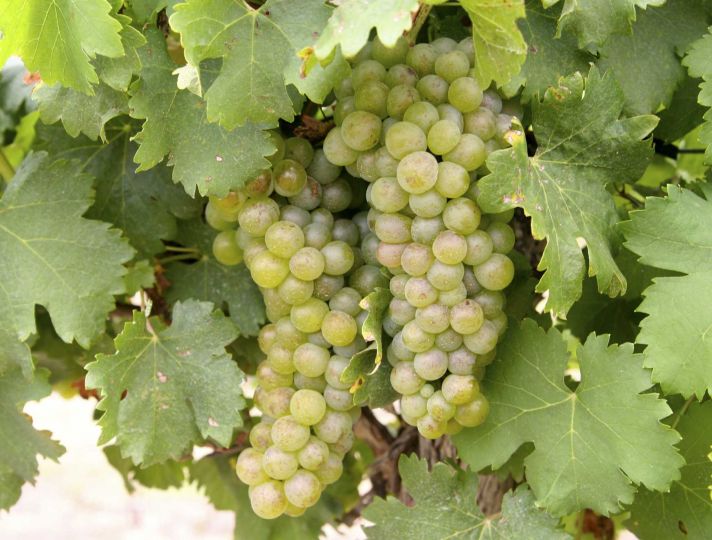
Cabernet-Sauvignon-Grapes

(Cabernet Sauvignon Grapes)

Warm Climate Reds 

Grenache, Mourvedre, Cabernet Sauvignon, Syrah, Tempranillo, Zinfandel, Malbec, Merlot, Sangiovese

Viognier grapes

(Viognier Grapes)

Warm Climate Whites

Viognier, Roussanne, Marsanne. Chardonnay, Sauvignon Blanc

Pinot noir Grapes

(Pinot Noir Grapes)

Cool Climate Reds

Pinot Noir, Cabernet Franc, Syrah, Nebbiolo, Merlot

riesling-wine-grapes

(Riesling Grapes)

Cool Climate Whites

Chenin Blanc, Riesling, Sauvignon Blanc, Albarino, Pinot Gris, Glera, Chardonnay, Gewurtztraminer

Climate Affect on Wine Character

There are many more varietals in each category, but these are frequently seen in single varietal formats and are the most common. Notice that Chardonnay, Sauvignon Blanc, Merlot and Syrah are listed as both. These four are the most versatile wine varietals in the world. They can make quality wines in both warm and cool climates, but keep in mind the flavors and textures are totally different when grown in the different locations. Warm climate Merlot has less acidity/tannins and can be beautifully soft, or horribly flabby. Warm climate Chardonnay usually has less acidity and tends towards simple citrus flavors. Most warm climate Sauv Blanc tastes like fresh mown grass mixed with lemonade to me, but others enjoy it. Warm climate Syrah is another story… warm climate locations are better when moderated by a Mediterranean climate, but these areas can produce killer wines. Cool Climate locations can produce exceptionally complex Syrah, but sometimes are a little weak on fruit flavors, so are often mixed with Viognier to enhance approachability. I enjoy these wines tremendously.

What to Look For?

Spring Mtn Vineyard

(Spring Mountain Vineyard)

Inland Locations at Higher Elevation

(roughly 2,000-4,000 feet)

For example, try the top of Spring Mountain AVA and Howell Mountain AVA in Napa Valley. You will find bold wines with a pleasant blend of acidity, tannins and alcohol there. In the hands of an expert winemaker, these vineyards can produce a wonderful, fully developed mid-palate. Haven’t heard the terms “attack”, “mid-palate”, or “finish”? Drop me a line and I will write a piece explaining these wine characteristics!

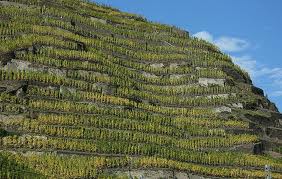
Mosel Vineyard

(Mosel Vineyard)

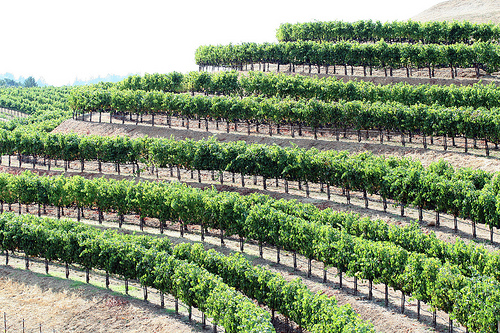
Steep Vineyard Sites

These sites stress the vines and drain them very effectively. The berries are usually smaller and the fruit (and resulting wines) always have more intense flavors. These vineyards are everywhere, just keep an eye out. The opposite holds true, be careful with wines made from valley floor fruit. If not managed carefully, these vineyards can become bulk wine territory! The most extreme examples lie in the Mosel Region in Germany.

Langhe_vineyard

(Langhe Vineyard)

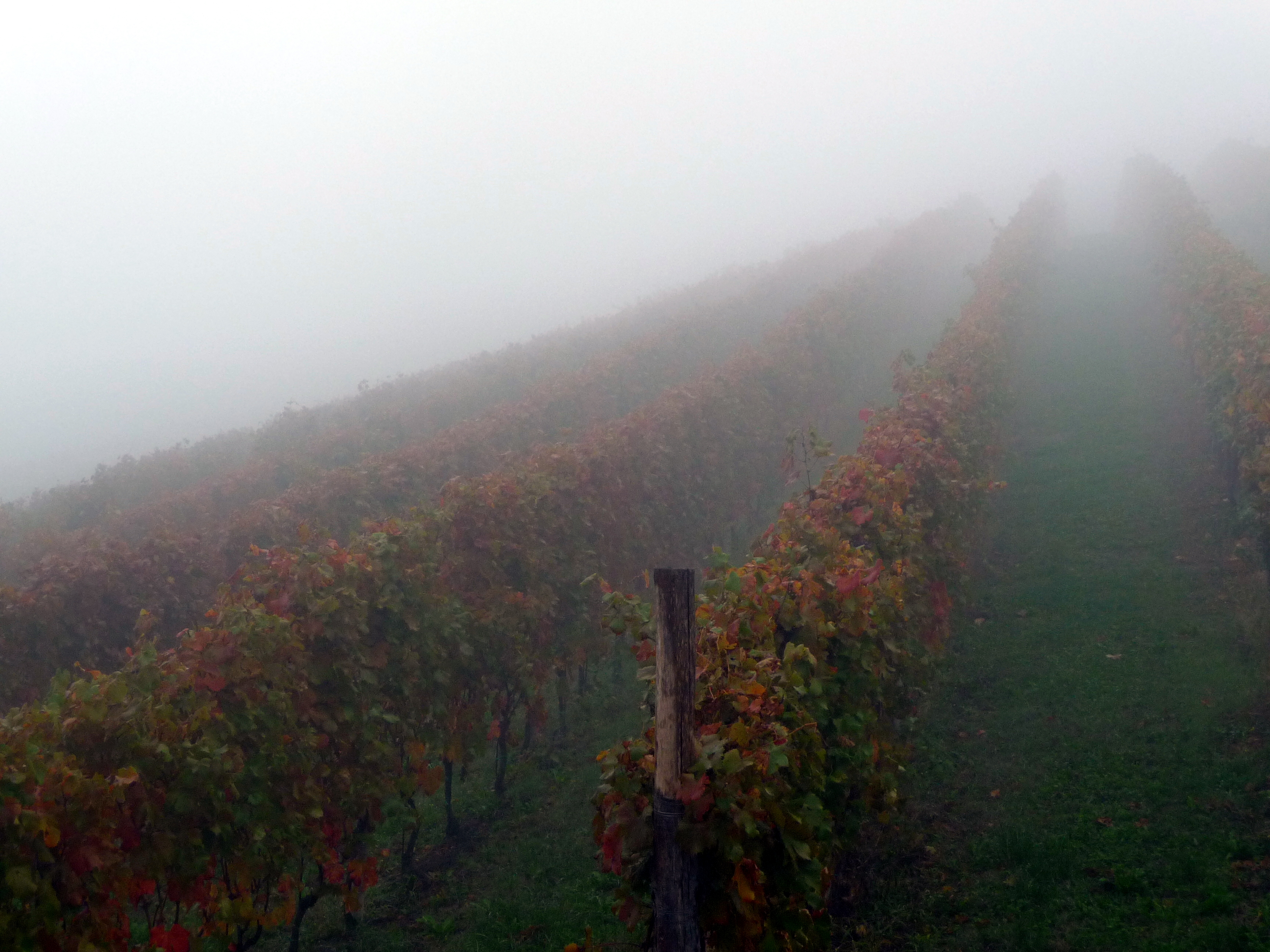
Inland Foggy Locations

Remember those Cool Climate varietals… if there is enough sunshine to fully ripen the berries at these sites, WATCH OUT! These wines are amazingly good. These vineyards can produce complex, fruit forward wines with high acidity. Watch your vintages with these producers. In cooler years, these wines can be very rustic, and/or thin. U.S. Examples: Santa Rita / Santa Maria AVA, or Russian River AVA.

Finger-Lakes-vineyard

(Finger Lakes Vineyard)

Inland Locations Adjacent to Large Lakes

Often, cold winter climates can support vineyards in these areas. The lakes moderate the low temps at night during bud-break and harvest (Spring & Fall). Depending on the amount of sun, these vineyards can produce fresh, brisk white wines, or a well-balanced lighter style of red wine. U.S. Examples: Lake County AVA or Finger Lakes AVA.

Sonma coast Vineyard

(Sonoma Coast Vineyard)

Coastal Locations

These sites can produce excellent, or horrible fruit from vineyard to vineyard. The best sites don’t get a lot of rain and are watered by the dew and fog. In addition, higher elevation sites adjacent to the coastline are an advantage. The elevation offers more time above the morning foggy conditions to ripen the fruit and destroy the potential mildew. These vineyards will not produce easy drinking wines, but if you like complex flavors (sometimes unusual) and good structure, try a few of these and find out if they are for you. U.S. Examples – Sonoma Coast AVA.

Conclusion

Valley floor locations almost always produce easier drinking softer wines, especially when located in warmer climates. These are not my kind of wines, but I recognize that many consumers enjoy this style. Each to their own, but at least with this information, you can understand what influences how these wines taste. If you are willing to evaluate your preferences and find the vineyard locations that match your palate for each varietal, it will enrich your wine experience (find my preferences below).

Vineyard Locations I Prefer (a few)

Chardonnay – Burgundy AOC, Champagne AOC, Mendocino AVA, Santa Maria and Santa Rita Hills AVA, Russian River AVA

Sauvignon Blanc – Marlborough Appellation, Sancerre AOC

Chenin Blanc – Vouvray AOC, Stellenbosch and Swartland Appellations

Merlot – Right Bank Bordeaux AOC, Spring Mountain AVA, Walla Walla AVA

Cabernet Sauvignon – Napa Valley AVA, Left Bank Bordeaux AOC, Bolgheri Superiore IGT, Maipo Valley Appellation

Syrah – Southern and Northern Cotes du Rhone AOC, Paso Robles AVA, Walla Walla AVA, Barossa Valley Appellation

Pinot Noir – Burgundy AOC, Willamette Valley AVA, Santa Rita Hills AVA

3 Comments

Filed under Cool Climate Wine, Wine Education, Wine Industry, Wine Travel

Why Do Wines Taste Different? – Part 2a: Climate

Continuing the two part series, well… I realized this topic was just too much for one additional piece. Don’t forget, I am no industry expert. This piece is only offered from the perspective of the impact on enjoyment of wine flavors and structure. Folks, I have tasted a LOT of wine. Over the years, you ask questions, and you learn which factors affect the wine and how. Now I am sharing that experience with you.

PART 2a – How Terroir Affects the Fruit 

This second part in the series is the most complicated. This installment in the series provides insight into the location factors that influence wine flavors. It is impossible to cover these next topics without technical detail. I apologize in advance for diving into the dryer Somm training. I will try to associate these influencing factors with their specific impact on flavors and structure, so it will offer more interest and meaning…

0601_g1_2_terroir-wheel

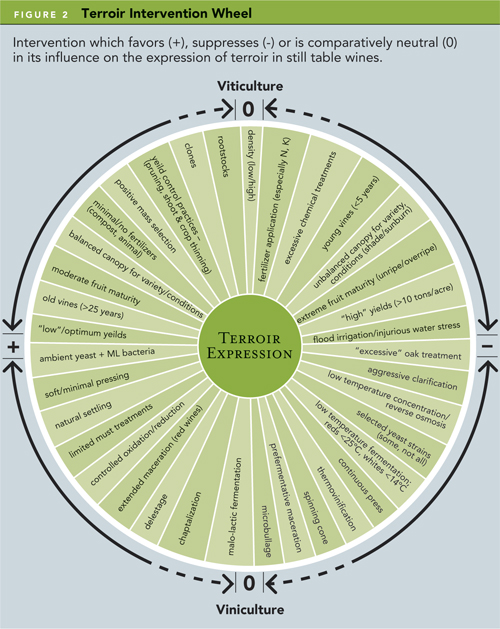
Climate is closely related to the idea of “terroir”. I put the term in quotes, because it is a concept more than a word. Terroir impacts both flavors and structure in wine (for example: blackberry and acidity). Here is the Webster Dictionary definition: “The combination of factors including soil, climate, and sunlight that gives wine grapes their distinctive character”. Close, but there is more to it than just that. Some additional ideas would be: proximity to bodies of water (i.e. lake, ocean), heavy winds, or fog during the growing season and the most important – local wine growing traditional practices.

Each of these can have a bigger influence than you would think:

  • Foggy mornings can add a considerable amount of acidity to the fruit and ultimately the wine.
  • Heavy winds have a more basic function – the wind keeps the berries dry, so thinner skinned varieties (Pinot Noir, Merlot) can be grown in humid climates, without mildew and rot.

Wine growing tradition can affect things like:

  • Trellis design – Overhead trellising (called Pergola and common in Italy) makes it impossible to practice canopy management. This can lead to inconsistent vintages from varying weather conditions. Without canopy management, it is difficult to control producing burnt vs. under-ripe fruit from year to year. Italy has been slowly converting their premium vineyards to head-trained trellis and pruning systems for this reason.
  • Yield per acre – Some regions can produce 8 tons of fruit per acre, or more. This is bulk wine territory. You can taste the difference when fruit is pruned from the vines early and the yield is reduced to 2-3 tons per acre, commonly found in the premium wine category. This always develops more concentrated and complex flavors. Ask a winery about the yield per acre for their fruit source. They should be able to tell you immediately. It is a VERY important decision and will separate quality wines from bulk wine. Your dividing line is at about 4 tons per acre.

Terroir can also be a philosophy of sorts. Have you ever considered wine to be a unique indicator of “place”? Wine can and does reflect local cuisine and culture. In many of the Old World wine growing regions, wine is viewed as a definitive indicator for the location where it is made. That is why they have actual government laws regarding how wine must be made in many regions. In this way, Wines from St. Estephe AOC, or Sancerre AOC all have a consistent character. Before my Somm training, I would have told you this was completely crazy. In the U.S., we don’t think of wine in this way, but still… when I drink a Napa Cab Sauv, it does take me back to past visits to Napa Valley.

Affects of Climate and Location on Wine

So, now let’s pick-up where we left off in Part One and dive into the climate and location factors that influence the flavors in wine:

Where is the vineyard located, in a: Maritime (adjoining ocean), Continental (inland), or Mediterranean (moderate temps & ocean influence) Climate? If you add soil type, these are THE most important factors in vineyard influence on the wine. So, how does this affect the way we experience the wine? Let’s start with climate. The primary impact of climate is on the varietal selection planted. As an example, varietals grown in the Loire are completely different than those grown in Bordeaux and those choices have an obvious impact on flavors in wine from the two regions. Within the same varietal wine, the climate difference impacts structure: Acidity, Tannins, Alcohol, Complexity (especially mid-palate) and Balance. This is the part of the discussion that becomes more variable and interesting.

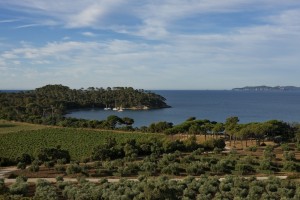
Winery Provence

Provence Region, France

Maritime Location

In Northern Latitudes, these locations can be cool with fog, but winter temps stay moderate. If the growers can get the grapes fully ripe, watch out – fantastic wine results. Think acidity here. Wonderful climate for growing cool climate red varietals (if the soil is right) like Pinot Noir, Cab Franc and Syrah. This type of climate can also produce interesting cool climate style whites, like Chardonnay, Albarino and Pinot Gris. Think U.S. Sonoma Coast, or Spanish Rias Baixas. In Southern Lattitudes, the hot days and cool nights make killer warm climate reds, like Cab Sauv, or Grenache. Think French Provence, or Italian Tuscan Coast.

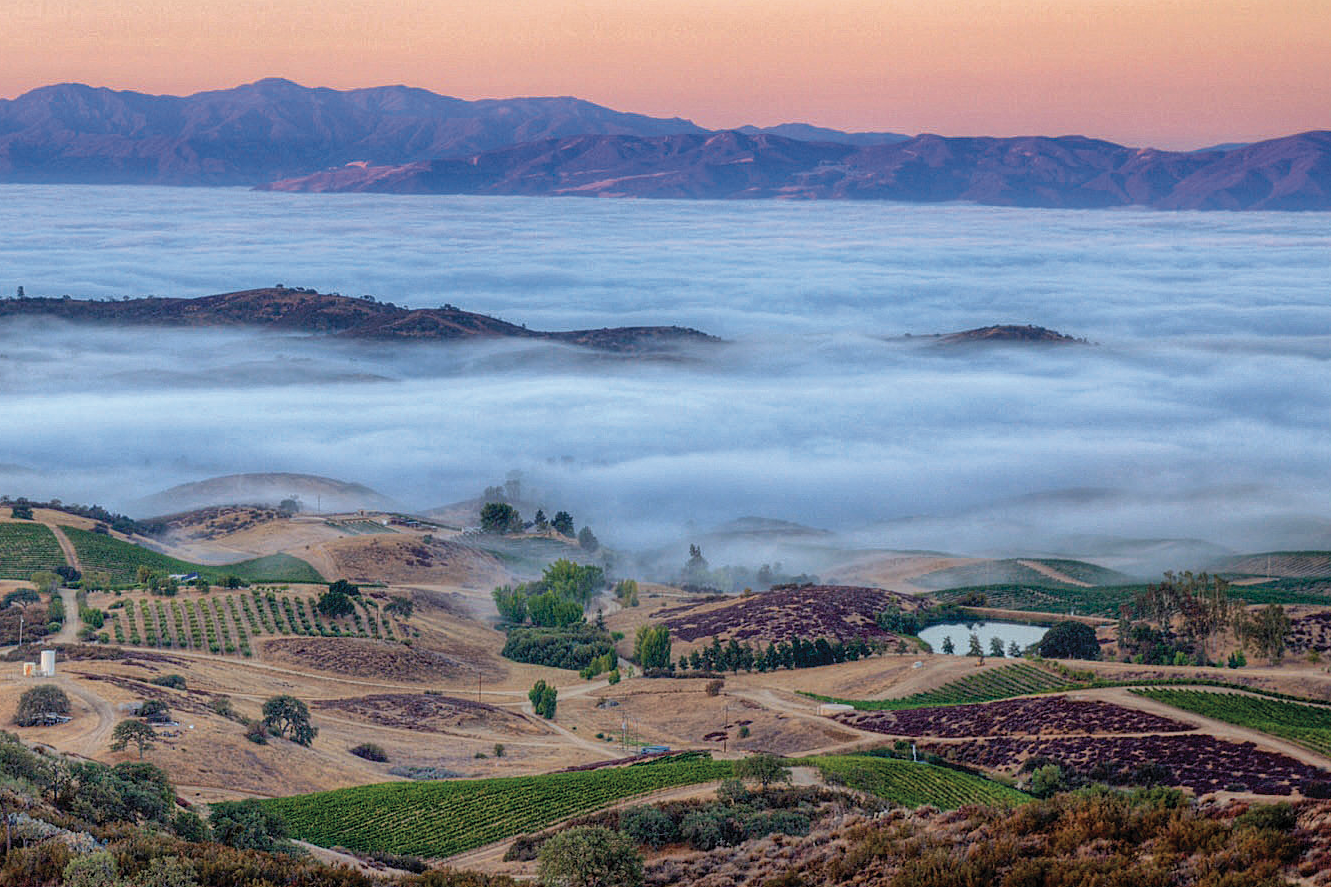
Clear Lake Pic

Clear Lake Region, CA

Continental Location

These inland locations do not have the moderating affect of the ocean, so these regions cannot extend too far north, or south for that matter. Wine grapes have very specific climatic needs. A very interesting and different example is the California Clear Lake AVA – an inland location, but at higher elevation with a large adjacent lake. This AVA is starting to produce structured wines and as the local industry comes to understand the vineyard sites better, the wines form this area will continue to improve. The varying Continental climates can produce a wide array of varietals. Burgundy, France is the classic premium appellation. In the U.S., it might be Walla Walla Valley AVA.

northern-rhone-vineyard

Rhone Region, France

Mediterranean Location

These wine growing locations tend to be in southern latitudes, inland along rivers within 50-150 miles (or so) of the coast. The best reds produced in these areas are usually from Syrah and Mourvedre grape varietals. In the whites category, the varietals to look for would be Viognier, Marsanne and Roussanne. These areas offer some of the most complex wines in the world. You often find wines from these areas with crazy flavors, like: olive tapenade, tar and mint. Sounds unpleasant… but try extending your budget when the opportunity arises and buy a nicely aged bottle of Cote Rotie. Be prepared to have your socks knocked off! The classic premium appellation might be the Rhone Region in France. In the U.S., it would be San Luis Obispo County (Paso Robles AVA).

Conclusion

If you haven’t noticed what these locations have in common, think hot days and cool nights.

Grape vines need enough sunshine to ripen the fruit, but not too much heat… or else the wine tastes too flabby (try bottled grape juice). Cool nights add acidity, without which wines taste flat. It helps if Winter can be a little cold, so the vines can more effectively shut-down, go dormant and rest part of the year. Extremes within any of these factors makes for lousy wine, or dying vines.

This has been a brief review of Climate and its impact on Wine. The next piece will cover our most favorite topic – DIRT and vineyard site selection. I hope this series is offering deeper insight into the factors that affect wine flavors and structure. In particular, if you are interested in Wine Travel, this is the information that will make the experience much richer!

2 Comments

Filed under Cool Climate Wine, Wine Education, Wine Industry, Wine Travel

Best Value Wine Destination in the U.S.A.?

value pic

I was recently involved in a discussion regarding preferred wine tourism destinations among serious wine drinkers / collectors. Napa Valley is consistently drubbed for its utter lack of value. Average tasting room fees are $25 – $40/pp… to access top quality, it is not uncommon to pay $75/pp. Now granted, these wineries are so gorgeous – Napa Valley itself creates its own ambiance, but let’s move past honeymoons and anniversaries and talk year-in and year-out wine tourism destinations. My wife and I have vacationed in Napa at least 10 times in the last 20 years and while it was previously my favorite location, it is now third on my list behind the California Central Coast and Sonoma County. To make things worse, Napa tasting rooms have steadily become more impersonal, making me feel like one of the massive herd, or a bother, rather than a valued guest.

Yes, my favorite wine destination is the Santa Barbara and San Luis Obispo Counties area in California!

Destination Comparison

Cuisine / Restaurant SceneWinner Napa Valley

The Central Coast is improving, but still has catching up to do.

Tasting Rm FeesWinner Central Coast

1/3 to 1/2 the cost of Napa.

Tasting Rm AtmosphereWinner Central Coast

The Central Coast is a big winner here. I have been getting tired of the attitude in Napa. The tasting rooms are so much friendlier almost anywhere else. I miss 10+ years ago when wine tasting was casual and inviting!

Lodging ValueWinner Central Coast

1/2 the cost of Napa with several resort quality properties to choose from.

Quality of WineWinner Central Coast

Slight edge, not because any single wine is superior, but because overall – the wines approach Napa in quality and the selection is amazingly diverse. There are top quality producers of Syrah, Cabernet Sauv, Zinfandel, Pinot Noir and Chardonnay here… in Southern Rhone, Bordeaux and Burgundy styles. All of this diversity is driven by an area with crazy climate variability.

SceneryWinner Napa Valley

Maybe not as cozy as Napa Valley, but the hill and mountain regions west of Hwy 101 are very picturesque.

BeachWinner Central Coast

No Beaches near Napa. This region has Pismo Beach.

Winery ArchitectureWinner Napa Valley

Napa has a big edge here, but some wineries are starting to spend big money in the Central Coast area.

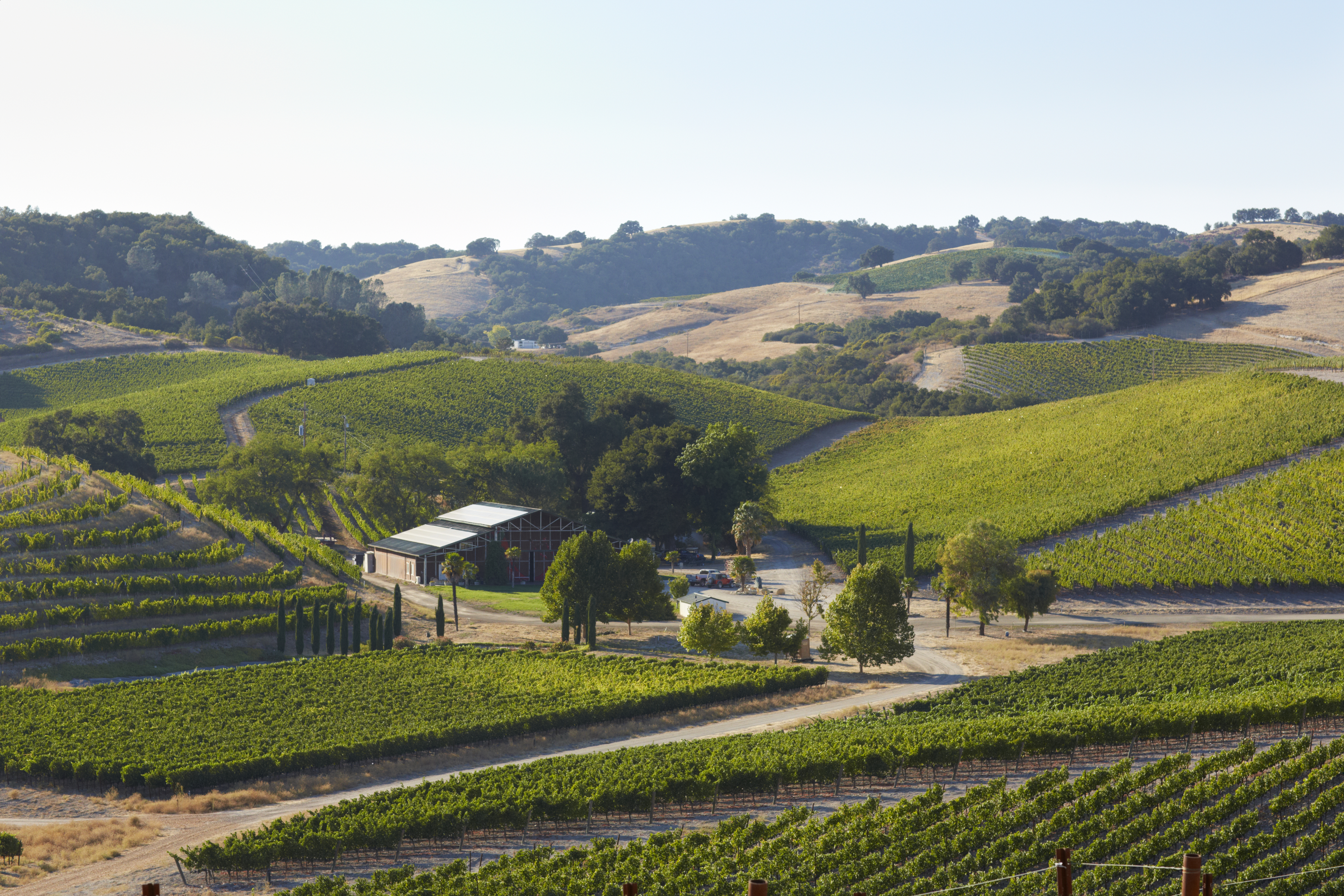
l'aventure winery

l’aventure winery

A Paso Robles Vineyard & Winery

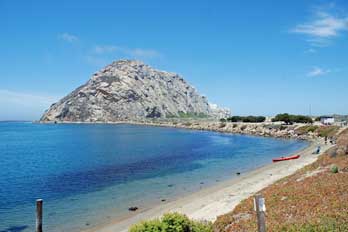
Morro bay pic

Morro Bay, CA

Central Coast Winery Suggestions

(arranged from South to North)

Santa Barbara County

Carr Vineyards – All wines are good, but their 100% Cab Franc is special and reasonably priced.

Jaffurs Wine Cellars Quality Southern Rhone style wines that offer great value.

Brewer- Clifton Pinot Noir and Chardonnay. Their Chardonnay is Burgundy style and fantastic!

Qupe – Beautiful, refined Syrah by a master winemaker.

Andrew Murray Vineyards The best value quality Syrah in the U.S. hands down.

Melville Winery Great values in Burgundy style Pinot Noir.

San Luis Obispo County

Laetitia Vineyard & Winery – Fine quality sparkling wines in a broad selection of styles.

L’Aventure Winery – Balanced Hedonism Incarnate (is that possible?). These wines are massive, powerful… and perfection.

Peachy Canyon Winery No winery makes more different single vineyard Zinfandels. If you are a Zin Master, you must visit Peachy.

Tobin James Cellars Their tasting room is definitely the most fun in the area!

Justin Cellars This is your bastion for Bordeaux style wine in the area. Their Cab Sauv and Merlot blends are very good! These wines are approaching the quality of the best in Napa.

Herman Story Wines THE BEST Southern Rhone Style Wines in the United States at prices that will cause you to do a double-take.

Other Wineries of Note Some of best wineries in the world are making amazing wine here, but are expensive and difficult to arrange access:  Alban Vineyards, Saxum Vineyards and Sea Smoke Estate Vineyards.

New Destinations My wife and I will be traveling to Walla Walla, WA this fall, six years after our last trip. I am hoping this location has much to show! I am looking for my next wine destination to add to our list! I will update our findings on this site after our trip!

2 Comments

Filed under Wine Industry, Wine Tasting, Wine Travel

Follow-up to: “Cabernet Sauvignon Blend Comparison”

A few comments from readers outside the U.S. highlighted the cultural bias I showed in this piece.  So, for my readers outside the U.S., I decided to write a follow-up with that in mind…

Bias Cartoon

I have written before about cultural differences and how it affects wine culture and wine jobs around the world.  It is difficult to shed the result of our up-bringing.  My point has always been – evaluating the quality of a wine is the same around the world, but whether it is enjoyed with or without food… or which foods pair best to local palates – are not simple questions with easy answers.

Cultural “Liberties”

I took many cultural “liberties” in the previous piece, assuming a shared understanding.  Also, I SHOULD have offered an evaluation regarding the best wine-food pairing…  As a starting point, keep in mind, all four wines were essentially Bordeaux style blends, the wines were similar in profile and this style of wine pairs well generally with red meat.

When I hold a tasting of varietally similar wines like these, it definitely allows a focus on evaluating structure and balance vs. flavors/aromas.  A more technical approach, but one I prefer. If you read my tasting notes, I ALWAYS discuss the structure and balance of the wine – regardless of the pairing.  I tend to evaluate wines based on how well they are made vs. how much I enjoy them.  This is the FIRST concept I was taught in formal Sommelier training.  The French wine was BY FAR the best balanced wine at the table.  So, in a tasting of similar style wines, it offered the best wine-food pairing of the four.  Which wine did I enjoy the most without food?  The 1993 Beringer Private Reserve.

In my opinion, this “Cultural Bias” is the biggest challenge that a wine professional can face when trying to bridge the chasm between Old and New World locations:  accommodating the local wine culture.  This affects every discipline in the wine industry, affecting how the wine is made, how it is marketed, serving decisions…  Perhaps, this thinking explains the importance of an involved U.S. importer to a European producer.

Cultural Differences

In the U.S., it is more common to enjoy wine without food.  One of the challenges I had to overcome in my training, but it also affects how I approach evaluating wine for my U.S. audience.  I believe there are a few ideas differentiating wine drinkers in the U.S. from many other locations around the world:

1) A significant share of the wine consumed in the U.S. is enjoyed before, or after dinner, without food.

2) Americans are looking for a less formal and relaxed wine experience.

3) When paired with food, wine flavors should enhance food flavors, rather than just complement the flavors.  Wine is not often consumed primarily to clear the palate as is common in Europe.

In closing, I was asked for a better description of the food prepared and enjoyed with the wines. So, here it is:

Beef Short Ribs – braised with a balsamic reduction for 3 hours in a pressure cooker.  They were rich, meaty, and very tender.

Mac & Cheese – a uniquely American comfort food.  This is an extremely rich pasta dish made with butter, cream and lots of cheese.  In this case we made the pasta from scratch vs. pre-packaged.

Succotash – another uniquely American dish.  A mixture of corn, butter beans (we subbed cannelloni) and okra (we subbed zucchini) in a light butter sauce with salt pork flavoring.

1 Comment

Filed under Food Pairing, Wine Education, Wine Industry, Wine Tasting

Obama Serves Hollande “CHEAP” U.S. Wine

This title is quoted verbatim from the “The Drinks Business” online magazine as one of the Top Ten Most Important Wine Stories of 2014… see the whole article here:

http://www.thedrinksbusiness.com/2014/02/obama-serves-hollande-cheap-us-wine/

Trade Periodicals Trashing Their Own Industry?

What is wrong with a periodical that would publish a piece like this?  This is the attitude that validates the snobby reputation holding the wine industry back here in the U.S.  The beer or spirits industries would never generate a piece like this…

angry-obama

Your Reaction

How did you react when you read this? Personally, I started steaming out the ears…  Does wine have to be expensive to be good?  UGH, no of course not!  The wines selected by the White House were fine.  Did they need to serve Harlan Estate, Cayuse, or Bond at $200-$500/btl. to show a representative selection of U.S. wines?  If The Drinks Business had done some background research, they would have found the winemakers at these wineries all to be ex-pats from France who have been successful in America.  That is the more important message here.  Obama hit the nail right on the head.  While I may not agree with all of Obama’s politics, he does seem to demonstrate an excellent grasp of how to build a message.

Someone Had to Refute this Piece

There should have been more outrage from the industry regarding this.  Please join me in sending an email to this periodical and expressing your displeasure with this kind of reporting.  You can send an email to:  info@thedrinksbusiness.com.

This piece not only missed the entire intent of the Obama staff and why they chose these wines, but also violated the most basic tenet of our industry:  there is excellent value in wines all over the world!  I am so tired of the high-brow approach to wine prices.  The wine world does not revolve around premium wines from Bordeaux, France and Napa, CA only!

U.K. versus U.S.

I hope The Drinks Business does not reflect wine attitudes in the U.K.  Wine should be accessible.  This is especially good advice for European wine producers who want to capture more of the U.S. market.  Without much exposure to the wine industry in Europe, others will have to comment on the culture there, but I can assure you in the U.S.  –  even the most ardent collectors are mostly down-to-earth people who enjoy a relaxed wine atmosphere, without the hype.

7 Comments

Filed under Wine Critics, Wine Education, Wine Industry

Passion and the Human Endeavor

Life Speaking
I recognized long ago that I am a little different.  I work hard to find passion in all the major endeavors in my life.  Without it, I am lost, unfulfilled, totally aimless.  The marketing and business development fields can be cold and calculated, but I am unable to function this way.  When I craft a message, it must resonate with me FIRST, then appeal to the market… being able to enthusiastically engage with clients, groups, an audience… comes from inside and passion is the key driver.  Often I am terribly misunderstood by co-workers and clients, thinking I am a hard-charging, aggressive businessman.  I am truly just passionate about what I do.  I BELIEVE strongly in a well-crafted point of view with an associated message.  This relates to both my career and my pastimes.

Why Start a Blog?

I have a PASSION for FINE wines.  No, not the less expensive stuff that I and so many other people drink daily/weekly, but the wine that reflects the talent and/or art of the maker and evokes emotion when enjoyed.  I am a formally trained and certified Sommelier (some test that was, whew!).  Hopefully – with the knowledge to investigate effectively topics within the industry that are relevant and interesting.  So, please join me on this journey, as I delve into the wine industry and try to capture the stories of the people and their vision behind the labels.
very-controlling-person-new-yorker-cartoon

Finding an Audience

When starting a Public Blog, most choose to write about a pastime, or profession, but just as important as choosing the topic – is deciding the context.  Will the audience, or writer drive the content?  Can a writer control the direction?  Am I being a control freak by tailoring an approach to topics I find interesting?  When I first started this blog a few years ago, I thought it would be written for the average consumer and I would “bring wine education to the masses”, but I soon realized I was developing an audience among industry professionals and a large percentage were from outside the U.S.  So, as the readership grows, I have re-assessed and decided to step with both feet into wine writing with a different purpose in mind.  I am writing now for a range of readers beyond the casual wine drinker: Wine Enthusiasts, Wine Collectors, Winery Managers, Wine Distribution, Tasting Room Attendants, Somms, Wait Staff, Chefs and someday perhaps Winemakers.  If the typical wine drinker finds the deeper dive of interest too, then so be it.

The Message

In keeping with the audience, moving forward, this site will focus on the wines and wineries associated with the top 10-20% of consumer dollars spent on bottles over $20USD.  For anyone who has read a few of my posts, it is fairly obvious that is where my interest lies.  So, I am just aligning the blog more closely with my interests and hoping the readership continues to grow and finds the content worthy of the time spent reading it.

Thank YOU

I appreciate all of you that have stopped by this site in the past year, or two and found something of interest.  It is difficult to feel justified as a writer, unless someone is reading your words.  I can accept that committing to this direction for the blog may not have the potential to find the largest audience, but it DOES follow my passion.  A trade-off that seems well-made…

HAPPY HOLIDAYS and BEST WISHES FOR A HAPPY, HEALTHY NEW YEAR!

Comments Off on Passion and the Human Endeavor

Filed under Business, Wine Education, Wine Industry, Wine Tasting

Breaking Down Winemaking Styles

During a recent trip to Napa-Sonoma, California, I had the opportunity to interview several winemakers and talk with tasting room managers in the premium wine segment.  The discussion produced a large amount of material, but a few ideas stood out. One question continued to run over and over in my mind:  does a winery begin with some sort of vision for the final product?  If so, how does it come to be…

Is Wine Style Part of the Business Plan?


**INSERT Dilbert cartoon HERE** ©Scott Adams


Folks, I am not able to include this Dilbert cartoon, but you simply must click on this Link and check it out.  Funny stuff and right on point for this commentary.  This cartoon was excerpted from: Washington Business Journal, “Is your vision statement for real?”, Mar 17, 2011, Link Here.  Good read!  Unfortunately, even non-profit commentary use must still respect creative property!


The Vision

In the over $25/btl retail segment, I would say the wine itself easily contributes 2/3 (or more) to the brand identity.  Can you develop a brand, without developing a vision for the product?  I find this kind of discussion fascinating…

Is it important for employees and customers to understand that vision?

Should a Winery Have a “Wine Style”?

Every winery has a story to tell that differentiates them from the thousands of other producers in the marketplace.  That story is the cornerstone of each label.  So, what does this have to do with winemaking? Everything!  The questions posed in these interviews uncovered a glimpse into that underlying vision and ultimately how they wish their wines to be perceived by both their own organization and the consumer.

Why would an owner choose the difficult premium wine segment of the market in the first place?  There must be a calling, or a passion driving that decision?  Framing that story in a way that can capture a wine enthusiast’s imagination… is a message worth crafting.  So, where could wine style fit into this picture?  In this price category, more than any fancy, gimicky label design, or strategic marketing plan, the wine itself defines the brand.  If this thinking is sound, then the style of wine produced IS the winery’s identity.  Following this logic, finding a way to bring the story behind making the wine directly to the consumer is absolutely critical to building the brand.  If you look at wineries in this way, what stories do they have in common?  After interviewing enough winemakers / owners, you start to see commonalities.  In my opinion, the choice of wine style seems to manifest in one of three different ways:

1.  Begin With the Quality of the Fruit  –  Wine should express the character of the fruit and Terroir

  • This is the winemaker as viticulturist view.  Requires an emphasis on the wine growing.  With a complementary view of nurturing the vines to produce supreme quality fruit.  This is best implemented in an estate winery situation.

Impact on the Wine – Tends to add complexity and layering of flavors.  These wines often have a more defined mid-palate. This style is frequently made to be fruit-forward and emphasizes clarity and freshness.  This approach will usually drive good structure, but may not emphasize balance and often has a varietally correct flavor profile.  This style is typified by the winemaker as farmer – often with formal training in biology, botany, or agriculture and the winemaker leans heavily on learning his trade through internships and experience.

2.  Begin With Analyzing the Fruit  –  Better wine through better chemistry

  • This is the winemaker as technologist view.  Monitor and measure everything.  Wine is a mixture of chemical components and the optimum desired profile can be identified and reproduced.

Impact on the Wine – Brings more consistent quality.  These wines tend to focus on correct ratios.  There is rarely a desired component missing, but the product can often lack finesse.  Tannins, acidity, alcohol, phenolic development all carefully measured to arrive at the optimal formula generally accepted by the industry.  This style is typified by the winemaker with a UC Davis MS in Enology, who has taken the technological training completely to heart.

3.  Begin at the End  –  Start with a clear vision for the final product

  • This is the winemaker as artist view.  Where the winemaker is the star and bringer of quality.  This demands a winemaker as leader, who can leverage a history of experience, knowledge and technique to drive the wine to match his vision.

Impact on the Wine – These wines tend to be either elegant and composed, or knock your socks off with a focused over-the-top approach.  Focusing on the elegant approach…  Whether, or not the fruit is up to muster, these winemakers find a way to make the wine balanced and have great mouth-feel.  These most often are classically styled wines, with good structure, acidity, tannins and texture.  Flavors and aromas are less of an emphasis.  This style is typified by the winemaker as the leader and star – having a decade, or two of experience, always knowing the right decision to make, regardless of vintage variation.

Most wineries mix some combination of these ideas, but one of these philosophies typically shines through.

Does One Style Produce Better Wine?

The answer is most definitely no, but the wines within each style category do tend to have similar characteristics.  I enjoy wines in my cellar from producers that fall into all three categories, depending on my mood.

As a consumer, does identifying the story behind your favorite winery matter?

This time the answer is most definitely yes.  If you are like myself and many of the wine enthusiasts I know, we enjoy quality wines, but like to vary flavors and styles.  You may recognize these different styles in your favorite wines.

I have always found this to be sound advice:  “The key to finding new wines you are likely to enjoy, is to track the winemakers and vineyards.”  Pay attention to this information for your favorite wines and it will help you find other labels worth trying.  Connecting to the story behind your favorite winemakers and favorite vineyards can make your wine appreciation much richer.

5 Comments

Filed under Wine Education, Wine Industry, Wine Tasting, Winemaker Interview

2014 Napa–Sonoma Winemaking Trends

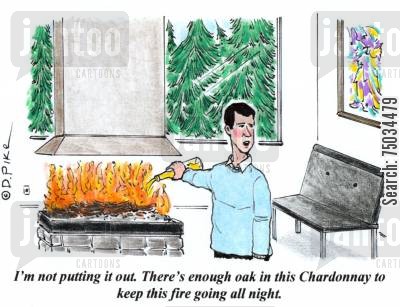
'I'm not putting it out. There's enough oak in this Chardonnay to keep this fire going all night.'

Source Material

I have interviewed 12 winemakers from the area by phone and in-person over the past few months.  Many have been from very well-known, high-profile producers. The material has provided a few new perspectives.  Some of these observations may only apply to estate wineries where there is more control over wine growing strategies, while others are specific to the winemaking.  I will not compare individual winemakers, or wineries.  It would be an injustice to each of them.  Although, I will be making an effort to tell each of their stories in separate pieces later.

Recent Winemaking Trends in Premium Wines

More Block Harvesting and Corresponding Small Lot Fermentation

I am running into this strategy at more estate wineries and if they are not already doing it, they are thinking about it.  Separately fermenting smaller, individually harvested, vineyard lots is happening more in this region than ever before.  Wineries are making a major investment in large numbers of smaller fermentation tanks, moving away from the full harvest approach and much larger tanks.  This trend is allowing winemakers to more effectively capture the individual character of fruit grown within differing micro-terroirs in individually fermented batch lots used for later blending.

Impact on the Wine –  Improved complexity and structure. Isolating individual characteristics from the fruit to bring a greater sense of unique “place” to the wine.

Winemakers Exerting Greater Influence on Viticulture

Estate Winemakers are insisting on more input into the decisions in the vineyard.  They are investigating different micro-climates and soil types on a much smaller scale than ever before.  This trend is increasing their influence with viticultural decisions that affect the final product such as:  separate farming and harvesting of individual vineyard blocks, row orientation, irrigation and pruning strategies (or lack of), etc.

Impact on the Wine – Better planning to accommodate vintage variation.  Ability to experiment with vineyard practices that can compliment the style of wine being made.

Varying the Harvest Timing with Small Block Harvesting

This is a bit controversial, but I am hearing it being discussed more.  Harvest timing is one of the major decisions affecting the wine.  It can effect tannins, acidity and phenolics… blending individual lots harvested at different times can change many characteristics of the final product, for example:

  • Tannins – Earlier harvest can make tannins more rustic.  Also, the ripeness of the pips can have a huge impact on the texture of the tannins (dusty, grainy, rounder, etc.).
  • Acidity – Earlier harvest can often provide increased acidity.
  • Phenolics – This is the touchy-feely area of this practice.  Identifying the preferred level of phenolic development is as much art, as science, but there is no doubt ripeness affects this category too.
  • Sugar – Harvest timing will effect the amount of sugars in the juice.

Impact on the Wine – Virtually all aspects of the wine’s character are potentially affected by this.

Less Interaction with the Wine During Production

This philosophy is leading to experimentation. Here are a few techniques that are being used, or discussed more frequently:

  • More wineries are moving to automated pump-over closed tank fermentation, versus open container punch-down.  Some industry folk say punch-down “shocks” the wine.  I have been paying closer attention to this in the past year, after seeing its widespread use during a trip to Italian wine country last year.
  • Lots of discussion going on regarding the need for extended cold-soak prior to ferment to extract color.
  • More natural yeast fermentation, instead of inoculation.
  • Lighter pressing of the fruit. One winemaker talked of just using gravity to press the first-run juice.
  • Skipping removal of the lees after ferment and waiting until a later date to separate the wine.
  • Controlling temperature to slow down the duration of the ferment.
  • Less fining and filtering, which reduces the amount of pumping and moving of the wine.

Impact on the Wine – The intangibles seem to be most affected by this approach.  These techniques may soften the attack of the wine, add elegance and affect mouth-feel.

Extended Maceration for Red Wine

This relates to extending the contact of the wine with the skins and sometimes the lees and/or stems. I actually spoke to one winemaker that talked of 60 days for ferment and maceration.  The more traditional thinking is 10-15 days…  This is expensive for wineries.  It requires either investment in more fermentation tanks, or reducing capacity for production.  Several winemakers spoke of wanting to experiment with this for whites too.

Impact on the Wine – Differing opinions on this, but for my palate, it changes the character of the tannins substantially and at the same time adds complexity.  I am not sure there is more extraction, but it definitely affects the texture.

Whole Cluster Fermentation for Red Wine

This technique requires using the whole grape cluster (stems and all) for the ferment, rather than the usual de-stemmed berries.  Almost all winemakers I talked to were including a percentage of their blend with wine fermented this way.  Several winemakers claimed that a whole cluster ferment by definition will add natural carbonic maceration to the mix.  Some of these wines do appear to be more aromatic…

Impact on the Wine – It may add more of a mid-palate to some wines.  Often, these wines seem to have a fresher, fruitier character (carbonic maceration?).  Bottom line, these wines ARE more complex, but better complex?  Some winemakers claim it has much to do with the terroir.  Apparently, some terroirs do not produce fruit that works well with this process.

Focus on Balance

Ah, the holy grail of wine!  For so many years Napa producers have been known for their big, extracted, high alcohol cabs.  I think the pendulum is finally starting to swing back a bit.  While these producers will never move back to the true French Bordeaux style, more winemakers are talking of balance and I am starting to taste it in more Napa wines.  A beautiful trend!

Conclusion

It is so good to see sophisticated wine palates (winemakers) changing the decisions being made in the vineyard.  While vineyard management is certainly farming, having a trained palate influencing the approach for each individual block and making adjustments for each vintage… is a very, very good thing for the industry.

Many of these techniques and ideas have been around the industry a very long time, but tend to be newly adopted in areas of California.  To be fair, not all winemakers are fans of this direction and produce fantastic wines anyway.  A clear indication of how much there is still to learn, about growing and making wine.

Why are following these trends important?

  • For Wine Enthusiasts – It may help you:
    • Identify techniques that produce wines you prefer
    • Build a dialogue with your favorite wineries
    • Understanding a winery’s approach, may help you to understand which labels match your palate
  • For Industry Professionals – Understanding how influential wine producing regions are changing their thinking is important to:
    • Wine pairing decisions
    • Building context for a strategy to develop a commercial wine list representative of a broad range of styles
    • A glimpse into the future of where the industry is headed


P.S. – I hope folks are enjoying these kind of pieces.  I don’t see much written that tries to make the technical more accessible and relevant to the public audience.    HAPPY HOLIDAYS AND BEST WISHES TO YOU AND YOUR FAMILIES!

1 Comment

Filed under Wine Education, Wine Industry, Winemaker Interview

New and Old World Style Food – Wine Pairings?

Cartoon Bar-minister-priest-rabbi

A Frenchman Walks into a Bar in Mendocino, and…

My wife and I were recently in a winery tasting room in Mendocino County enjoying several wines and a gentleman from France joined us at the tasting bar.  This producer happened to offer a cool-climate Syrah mixed with 20% cool-climate Zinfandel and Viognier.  A very light style of wine, with the Zin adding a brighter red fruit character.  I remarked that I wished I had a bottle of this wine to pair with our Turkey and stuffing dinner from a few nights before… and wow, both the attendant and the Frenchman laughed out loud!

Is Food & Wine Pairing THAT Different in the U.S.?

At the time, I didn’t think much of it, but it stuck with me and eventually had me thinking about the nature of food – wine pairings.  Is a Sommelier‘s job different in Europe vs. the United States?  Does the European restaurant patron look for something different, than their American counterpart?  I began turning over my Somm training in my head and realized, there really are two separate and distinct points of view to this discussion:

1st View

When pairing with foods, wines should contribute to mouth-feel, exhibit balance to complement the food textures, but primarily – the wine should clear the palate between bites.  The idea being: clearing the palate with wine allows you to fully experience the flavors of the food in each bite.

2nd View

When pairing with foods, wine should compliment the flavors in the food and ENHANCE its enjoyment.  In this case, a wine is selected based on pairing the wine and food flavors so the whole is tastier than the parts.

I know EXACTLY what that Frenchman was thinking… in his mind, that fruit-forward wine interfered with the taste of the food.  I thought back to his preferred wines at the tasting bar.  He purchased the most acidic Pinot Noir that was the least fruity and the best balanced (BTW, I enjoyed it too).  His thinking regarding the pairing was completely at odds with mine.  Lighter Zins (with good acidity) are a great pairing with turkey and gravy, because the wine compliments the food.  These two people were so against that kind of thinking, that they had laughed when it was suggested.  A strange experience, but very instructive.

Another Wine Job That Requires an Understanding of Cultural Preferences?

Sometime back, I wrote a piece on the cultural differences affecting the wine marketing and media manager position.  So, now the Somm position is affected by this too?  OK, I am not saying my preference here matches everyone in the U.S., but the wine education training I have done, has shown it to be true – at least in my small sample.  Does this mean Somm training and certification should include the regional and cultural preferences of local wine consumers, NOT just regional cuisine?  Could this also mean, there is no one definitive training approach to content that will apply to both the Old and New Worlds?

Feedback

For the professional Somms reading this, what has your experience been?  Am I painting to broad a brush on the issue? I don’t read much talk about this on wine related websites.  Is this observation and discussion relevant?

12 Comments

Filed under Food Pairing, Sommelier, Wine Education, Wine Industry, Wine Tasting

A Wine Experiment – Naked Wines: The GOOD and BAD in the Wine Industry

What is Naked Wines?

Naked Wines is introducing a revolutionary concept to the Wine Industry.  The premise is to provide crowd source funding to bankroll winemakers, so they can focus on the winemaking and consequently offer lower prices to the consumer.  The company was founded in 2008 in the UK. The strategy includes a website where:

  • Consumer members preferences are tracked
  • Consumers can interact with the winemakers
  • Consumers can offer reviews and feedback on the wines

This captures the advantages of social media and the internet and brings it to the wine industry.  The concept also effectively brings the winemakers closer to their customers, allowing them to hone their craft and tailor the product to meet demand.  The “Angels”, as the investors / members are called, are required to submit $40 USD/mo. to provide seed money and then in return they receive discounted prices on the resulting wine when released.  Naked Wines interviews and accepts winemaker members upon application based on qualifications, experience and training.

Visit and Interview

During our trip to the Northern California Wine Country, I stopped in to talk with Kirsten Bragg the tasting room manager for Naked Wines in Sonoma County, CA.  The following information was offered by Kirsten and has not been verified:

  • Roughly 1,500 winemakers are involved from around the world producing less than 1000 cases of wine each
  • 30,000+ “Angels” contribute to the program

According to Kirsten, the growth has been mercurial and forced them to begin a waiting list to allow the organization to keep pace with demand.

Understanding Winery Costs

Before you can understand the Naked Wines philosophy, it is important to get a feel for typical boutique wine production costs (around 5K cases produced).  These numbers do not reflect table, nor cult wine production costs, but somewhere toward the lower end of the average small winery.  Estate Wineries and Larger Producers (>50K cases produced) have very different cost structures.  Here goes some rough numbers that were taken from several reliable sources:

  • Nor Cal Quality Fruit $4 / bottle cost

  • Oak Barrels – $1 / bottle cost

  • Mobile Bottling & Bottle – $2 / bottle cost

  •  Overhead, Equipment, Debt Service (Sonoma)- $5 / bottle cost

  •  Salaries – $4 / bottle cost

  • Sales & Marketing – $2 / bottle cost

Total Cost per Bottle: $ 18

In the Naked Wines business model, Winemakers may be sharing Overhead and Investment, consolidating Salaries and leveraging joint Sales & Marketing costs – picking up advantages that could drive bottle cost down to $13/btl in this example.  Keep in mind, these numbers are all speculative and just to illustrate a point…  This data is relevant in order to provide a perspective on Kirsten’s comments – when she says, “We are looking to produce wines that will sell in the $15 – $20 per bottle sweet spot in the market.”

This Business Philosophy and Why it Leads Down the Path to the Dark Side

So, nothing wrong with that thinking… “know thy market” (first rule of marketing), but it does take some wind out of the high-minded, lofty vision of “freeing the winemaker to express his/her art” (paraphrasing here).  I like the whole idea, in theory.  This concept establishes a form of Co-Op for winemakers, funding the business by allowing consumers to dictate the successful producers based on their feedback and the demand.  Great stuff! Only, the whole thing goes awry, when you begin to target a price point.  A few reasons:

  • Limiting Winemaker Creativity?

Let’s say, a Winemaker wants to make wine requiring a technique called “extended maceration“, or perhaps barrel-age in French Oak for 12 months.  These ideas add cost to production and would not fit into the “sweet spot” price discussed above. Perhaps, the Winemaker wants to contract for fruit from a grower and dictate yield per acre, harvest timing, or block harvesting fruit at different times.  These approaches add cost to the fruit and require a long-term commitment to a specific vineyard.

  • Unwittingly Dictating Your Own Demand?

Let’s go in another even more important direction. What if offering wines in this specific price range attracts consumers who prefer simple, easy drinking table wines. Nothing wrong with that… but won’t that skew the majority of “Angel” reviews towards that preference and deliberately dictate where the crowd source funding will be spent… on the making of easy drinking table wine?

Are Naked Wines Good?

I tasted several of their wines from different winemakers: sparkling, reds, whites.  All reasonably well made. All generally enjoyable, but nothing that stood out as above average.  Which (unfortunately) is about what I would expect from this approach to making wine.

How Could the Concept be Improved?

There is so much more potential for this idea than is being realized.  In its current form, this Co-Op will inevitably continue to produce reasonably priced, consistently average wines.  I typically choose to purchase wines that are interesting and different, or of exceptional quality and am willing to spend more than $20/btl to access my preferences.  That type of consumer would not be attracted to this model and is the primary limitation of this business approach.  Their community of “Angels” is large enough to begin breaking into individual focus groups and then maybe… it could attract a more representative cross-section of wine consumers.  Is that important?  Certainly not to the success of the business, but if you view wine drinkers as a community (I do), it definitely excludes an influential segment.  Personally, I know I would enjoy feeling part of the production of the wine I drink by offering winemakers my consumer tasting notes, feedback on various techniques used and suggestions on modifying structure, balance, texture and flavor profiles.  This is what internet marketing does best, build relationships and brand loyalty between producers and their customer base.

Added after publishing, from reader feedback…

Business Models

Yes, these kind of creative business ideas are fantastic for the wine community, but with concepts like this that have such broad potential to influence the entire industry and are exclusionary in practice… not sure that is a good thing.  Nothing wrong with targeting a price point in your business model… but perhaps I was personally disappointed.  When I discovered the inherent circular logic driving the demand and consequently where the money is being invested, it was disappointing.  Maybe this piece will not achieve its objective – to provide a viewpoint that broadens the concept further to include the premium slice of the market – but it is worth the effort.  Viewing wine consumers as a community may not be a very popular concept from a business perspective, but I think it has some merit from a marketing point of view.

1 Comment

Filed under Business, Wine Industry, Wine Tasting