Category Archives: U.S. Wines by Region

A Tale of Two Red Cities

In the USA, Walla Walla Valley AVA is fast approaching premier status as a red wine producing region. The highest accolades are coming from Merlots and Syrahs, but the area produces well-made Bordeaux Blends too. From a critic’s perspective, this area is a serious alternative to the Napa Valley region… especially, if you prefer the Napa wines produced before the mid 90’s. Now, there is a choice between two premium “red” producing cities in the U.S.

The over-arching theme in Walla Walla is the pursuit of Old World styles of Cabernet Sauvignon, Merlot and Syrah. If you enjoy the popular New World style of heavily-oaked, fruity Cabs coming from Napa (like Caymus and Silver Oak) very few of these Walla Walla wines will find their way into your cellar. Syrah aside, I have chosen three of the oldest producers in Walla Walla as effective examples of the diverse styles of Bordeaux Blends that represent this growing region: Walla Walla Vintners, Seven Hills Winery and L’Ecole #41. I visited all three last month and was fortunate enough to do a deep-dive with each.
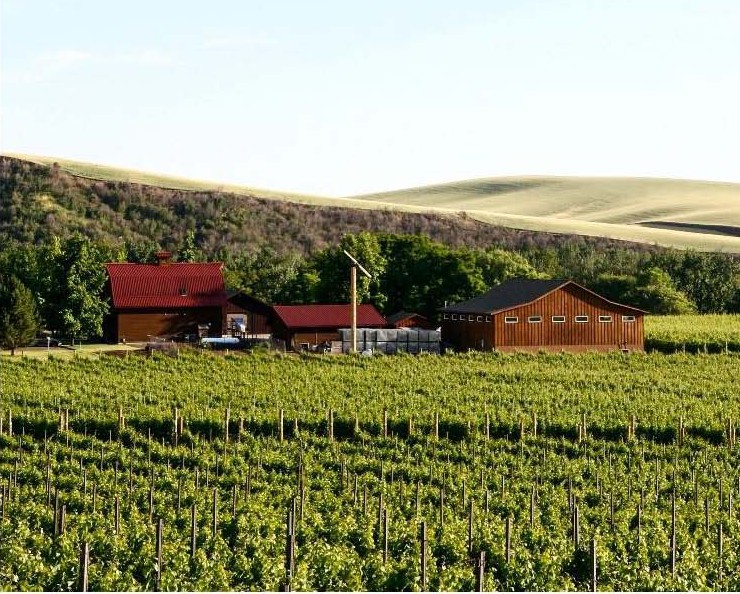
WWV Pic

Walla Walla Vintners

The flavor profile across all releases at Walla Walla Vintners (WWV) had the most dissimilar flavor profile in the area. I met with Bill Von Metzger the winemaker and we discussed the winery founded in 1995 in depth.  Their vineyards (and immediate neighboring sites) located at the Eastern edge of the valley contain the only dry-farmed vineyards I was able to find in this AVA. They originally prepared these estate vineyards for irrigation, but have yet to experience a growing season requiring the additional water. Although, if the Washington drought continues, they expect this may change next year. The WWV 2015 vintage validated once again the impact of dry-farming on my palate. All wines tasted tended to be more concentrated and textured, perhaps squeezing more out of the terroir.

Bill is a locally educated and trained winemaker. In my experience, this can be an impediment to good winemaking. Exposure to a broad sampling of world winemaking styles tends to develop better winemakers. Although in this case, Bill transcends his background… I think, primarily due to his keen curiosity and desire to experiment. I thought Bill showed a deft hand at pursuing the Napa Valley style… at half the price. Of my twenty (or so) tasting appointments in the area, this was the only winery embracing the challenge and successfully producing this style in a cooler Walla Walla climate.

If you enjoy Napa Cabs, try these wines. They may not quite reach the level of the premium Napa producers, but my goodness, not at $75+/btl either. The quality is good and the value is undeniable.
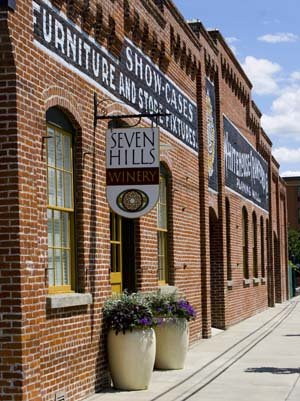
SHW pic

Seven Hills Winery

Seven Hills is the preeminent Old World French Bordeaux style producer in Walla Walla and one of the first wineries founded in the area in 1988. I met with Erik McLaughlin, an executive and manager at the winery. Erik and I discussed the history of wine growing in the region, their philosophy and the resulting growth. Seven Hills produces wines that compare very favorably to Bordeaux labels. All their wines have a lighter, sometimes silky texture with a good acidic and tannic backbone. Refined, balanced and built for aging, but approachable enough when young to be an excellent companion to a steak dinner. The tasting room is in a very urban setting at the winery, with the atmosphere from the 100+ year old building enhancing the tasting experience.

I talked briefly to Casey McLellan the winemaker and founder and I heard from both of them their total commitment to this wine style, regardless of the popularity of New World style California wines over the last decade. A great story and I believe a good business decision. These wines are some of the best of what I call “restaurant style” wines, made to accompany food and at the right price to be fairly affordable after the three tier distribution system delivers it.

If you enjoy red wines originating in Bordeaux France, try these wines. Again, these do not quite reach the level of premium Bordeaux producers, but comparable quality is sold at half the price (or less) of their Old World competitors.
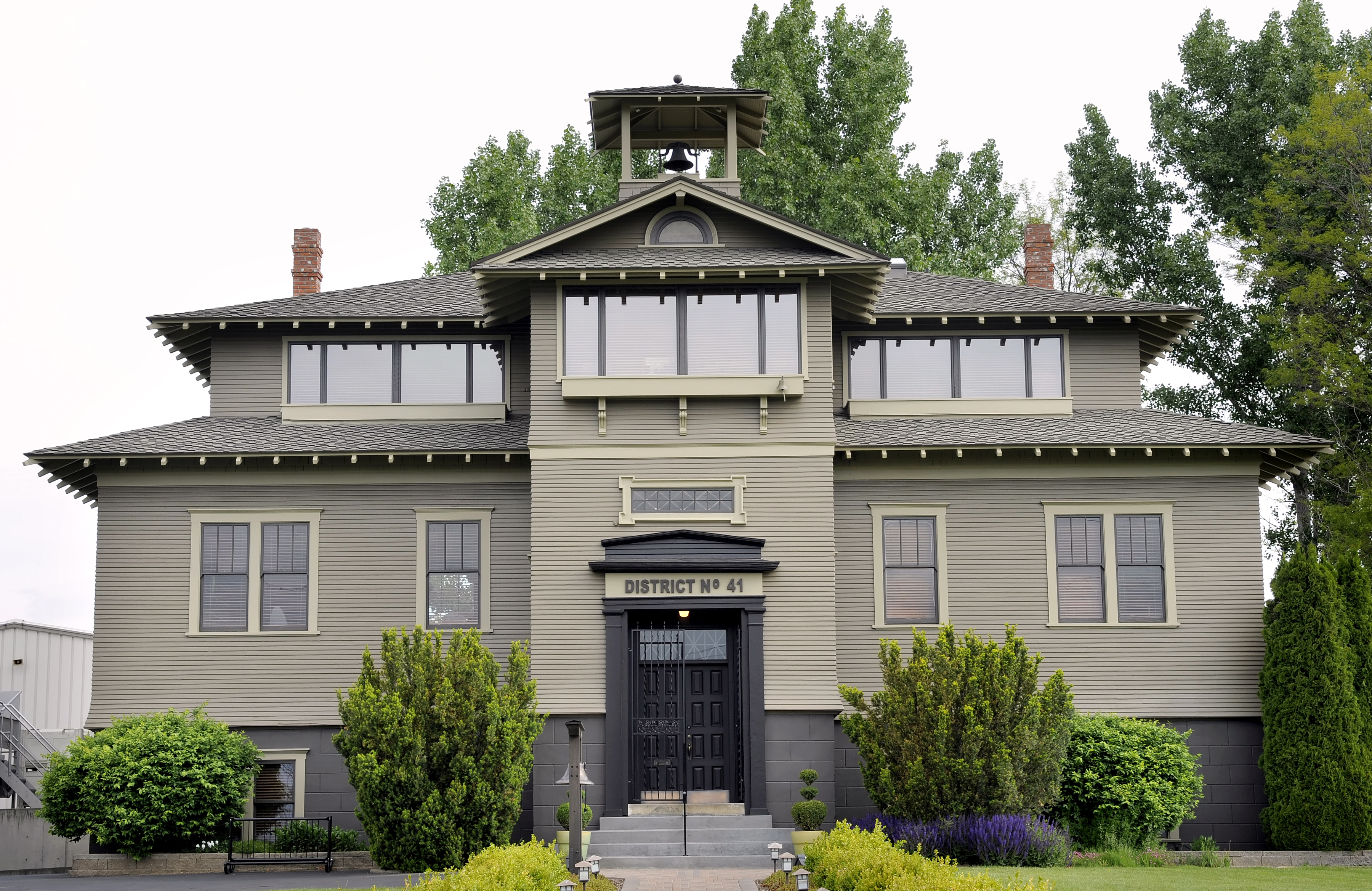
Schoolhouse photo

L’Ecole #41

L’Ecole is the most notable example of a winery in the region that best walks the fence between New & Old World styles. Founded in 1983 in an abandoned school house, they have grown substantially into a large commercial winery. I have been drinking their wines since the early 2000’s and do miss the hometown, small business atmosphere from those early days. Is it OK to be nostalgic for the old building facade, before the face lift? Then again, I also preferred the previous cute label too. Yes, (begrudgingly) I understand the idea – “Time and Tide stops for no man”. I met with Ben Dimitri the tasting room manager and we talked about L’Ecole history and past vintages.

It was interesting to discuss the story of the 2004 vintage in Walla Walla. It was the coldest growing season in memory for the area and few local vineyards were able to produce ripe fruit at harvest. 10+ years ago, Washington State was still a fledgling wine region and the largest producer in the state (Chateau St. Michelle) offered the early Walla Walla producers the opportunity to source fruit from their warmer Columbia Valley vineyard locations. What a generous and smart move…  missing a vintage in those early years would have seriously hurt the local industry and slowed their momentum in the market. The topic arose, because I mentioned enjoying a bottle of 2004 Ferguson (lost in my cellar somehow) last year. The bottle handled the 10 years of age well, but was at the outside edge of its drinking window.

If you enjoy red wines originating in Bordeaux France, but would prefer an easier drinking more approachable style… L’Ecole is your ticket. Once again, think half the price.

Diversity and Value

If you notice, there are two common themes here: diversity and value. Try these Walla Walla wines. If you are more than an occasional, casual wine drinker in particular, seek them out. These can easily become your choice for the value section of your cellar.

Wine Tourism

This area has a long way to go as a wine destination, but it was significantly more welcoming than my last visit seven years ago. Premier sous chefs around the country looking to venture out and start a premium cuisine restaurant, please consider Walla Walla. A well-run, properly promoted gourmet restaurant will succeed here, without the competition you would find in other top wine regions. Currently, the food is only slightly better than average, even at expensive establishments. With all the fresh fruit and veggies grown locally, this would be a perfect location for a farm-to-table concept. Producing world-class wines right in their backyard, Walla Walla has to be the next wine destination to hit the foodie scene. I look forward to my next visit and enjoying a much more vibrant restaurant scene.

Walla Walla Premium Bordeaux Style Producers

Leonetti Cellars and Woodward Canyon Winery are the two oldest wineries in the Walla Walla AVA. I have tasted their wines and they are excellent, but priced to match, or exceed their Bordeaux and Napa competitors. These wines are every bit as good, but I find it hard to see the value. Frankly, I would rather drink the established producers I know from Bordeaux and Napa, with much larger production and greater availability. This post was meant to highlight the value in Walla Walla. These producers do not fit into that category.
Comments Off on A Tale of Two Red Cities

Filed under Bordeaux/Meritage Blend, Cool Climate Wine, U.S. Wines by Region, Walla Walla Valley, Wine by Varietal, Wine Tasting, Wine Travel

Making #Wines to Drink Now, or Cellar?

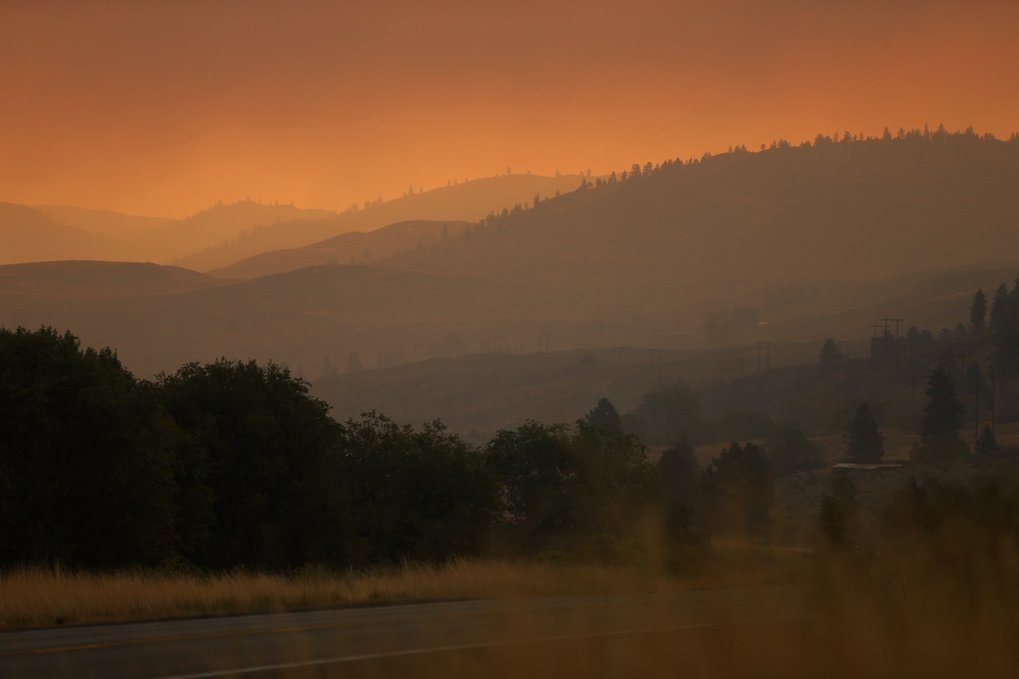
The sun barely illuminates the land under a thick fog of red smoke as seen from Highway 97 just south of Okanogan Friday August 21, 2015.

What a crazy week to have scheduled a wine tasting adventure in Washington State! Forest fires everywhere! The entire state is one big campfire… Flying into Spokane, we descended through a wall of billowing smoke. Driving down to Walla Walla the smoke cleared somewhat.

Later this week, my wife and I will be joining trade tastings and interviewing winemakers, but today we wanted to relax and stop at a couple of wineries of interest – as wine tourists. We stopped in first at K Vintners and then Five Star Cellars today and two interesting questions came to light: (tasting notes coming in future posts)

  1. Should winemakers be producing wine to drink now, versus wines to bottle age?
  2. Does making wine specifically to be drunk with food play well in the broader U.S. market?

I will tackle the first question now and the second in a follow-up piece.

Drink Now?

I was floored today. These were two respected Walla Walla producers recognized by critics and neither was focusing on structured wines more capable of aging in your cellar.

K Vintners

After one tasting experience, I am quite sure I could recognize any of their wines blind. This is not meant to suggest I did not enjoy a few of these wines, but more to emphasize their singular dimension. All of the wines are quite clearly made in a single style, utilizing similar techniques: noticeable French oak, high to very high acidity, very light and a minimum of mouth-feel, minimal finish, low to medium tannins and fruit forward.

Five Star Cellars

We tasted two vintages of their flagship wine, a Bordeaux blend called “Stellar”. The 2008 was good, showing high acidity, medium tannins and a palate of plum, blackberry, apple pie spice, graphite and touch of earthy minerality… but the 2009 was so much better, similar to the 2008 – but adding higher tannins and a fuller mouth-feel. The owner David Huse actually apologized for the additional structure. After a few minutes of conversation, it was obvious he believed their goal was to make easy drinking wines and that 2009 just didn’t fit into that focus.

Price Point, Wine Quality and Structure

I get it. Wineries have to sell their wine and in case you haven’t seen the numbers, somewhere between (depending on the study) 80 to 95% of all wines purchased in the U.S. are drunk within a week of purchase. Since we are throwing out statistics, how about this:  90% of all bottles purchased in the U.S. cost less than $12 USD. The wines we were tasting today all retailed for $40-$70/btl. Where am I going with this? Are these wineries correct in thinking that the majority of wine drinkers spending over $12/btl. want drink now, easy drinking wines? I have spent the last 20 years listening to feedback from wine enthusiasts and while very few are looking for the other end of the spectrum – rustic, cheap Chianti style wines, MOST do prefer red wines with good structure. How else could Napa Valley be able to sell so much Cabernet Sauvignon at an average price of $64.77/btl (2014 Wines & Vines) direct-to-consumer? It is certainly not because these wines are easy drinkers!

Winemaker’s View?

So how does the winemaker feel about this issue? I ask this question during interviews all the time. The answer too often is: “business sometimes dictates we make a wine for broad appeal”. At some wineries, this discussion is a non-issue. The winemaker makes a wine profile focused on quality in the classic sense and they find their market. Others I have interviewed, spend time with their customers and really understand the product their clientele wants… and then there are those that “think” they know what the average consumer wants. The perceived pressure to produce easy drinking wines in the U.S. is huge. For large volume wineries over 50,000 cases of production this discussion is irrelevant, but for the 60% of wineries in the U.S. that produce less than 5,000 cases, it is THE discussion to have. There is a place for all styles of wine in the market. My surprise came from visiting recognized, critically acclaimed wineries with this kind of thinking.

Wolf howling

Howling at the Moon!

If there is one thing I can definitively take exception to in the industry, it is this idea that wine enthusiasts (spending more than $12/btl) want flavor in red wines and don’t care about structure. Okay, I agree there are not many folks like me in the U.S. who will maintain a large enough cellar to buy young structured red wines and regularly drink 5-10 year old vintages. At the risk of boring readers by saying this again: STRUCTURE is what differentiates good wine! Red wine can taste like black, red, or blue fruit, have earthy minerality, or even exotic flavors like tobacco and tar, but these matter little without the primary structural components: Acidity, Alcohol, Tannins, Phenolic Development, Mouth-Feel (texture) and Balance. When wines are missing any of these elements, they can be unpleasant to drink, or more commonly – just boring.

Tasting note for the Five Star Cellars 2009 Stellar (Bordeaux Blend) that was supposedly not as “good” as the 2008:

The nose hints at the level of extraction with blackberry, plum and currant fruits, a touch of alcohol, fresh tobacco and earth. The palate follows with a dense fruit-forward attack that is very lively in the mouth, with high acidity and high tannins.  The vanilla comes through from the oak, but doesn’t overpower. The tannins have a plush, granular texture producing a big mouth-filling wine with a very long finish. This wine is fast approaching its optimal drinking window of 2016-2018. It is only missing a defined mid-palate… a 91 score without. This would have earned a 94-95 score with more complexity.

A grand effort by a small Washington State winery. I sincerely hope they change their focus to making more wines like this…

1 Comment

Filed under Bordeaux/Meritage Blend, Walla Walla Valley, Wine by Varietal, Wine Cellar, Wine Collecting, Wine Education, Wine Industry, Wine Tasting, Wine Tasting Notes

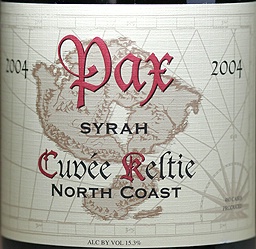
Pax Cuvee Keltie Syrah North Coast

22118


Pax Wine Cellars

2004 Cuvee Keltie Syrah North Coast

California, North Coast

Wine Tasting Note:

Initially, this was too hot and closed directly out of the bottle. After a one hour decant: blackberry and mint on the nose. The nose had a bit too much alcohol to enjoy. 11 years in the bottle and still plenty of structure with medium-high tannins and acidity. As you would expect, the freshness of the fruit is gone. The palate is of blackberry, black currant and bitter dark chocolate with a short finish. The alcohol is evident, but not over-whelming. The big winner here is the mouth-feel. A beautiful Northern Rhone kind of character that starts a little oily and finishes with mouth-coating, grainy tannins that were a little to the rustic side of velvetty. This wine has the structure to sit in the cellar much longer, but the fruit will not last. Best drinking window is/was probably 2012-2016. I have seen other recent tasting notes that describes a fruit-forward wine with a sweet finish. This bottle was very dry and had a subdued fruit character.

All-in-all a nice effort to produce an age-able, structured Syrah with a Rhone feel. This would have been a 95+ wine, if the alcohol component had been more balanced against the total profile.

2 Comments

Filed under Cool Climate Wine, North Coast, Syrah/Shiraz, U.S. Wines by Region, Wine Tasting, Wine Tasting Notes

Stephan Vineyards L’Aventure and Friend

I decided to stand-up a couple of my favorites for my birthday and decided it would be a L’Aventure night!

I am a huge fan of red blends, especially Southern Rhone style. In my opinion, L’Aventure is the quintessential producer in this category in the USA. The winemaker and owner Stephan Asseo is a French ex-pat that moved to the U.S. to make red-blends from the fabulous Terroir on the West Side of Paso Robles. He was looking to escape the French limitations of the AOC laws and he has done it in a big way. L’Aventure wines capture the perfect balance of the big red Paso profile, while still maintaining elegance and balance. The Estate Cuvee in some vintage years, has easily made it into my top 50 list of best bottles of all time. If you like Robert Parker Jr. picks, you will adore these wines. If you enjoy Stephen Tanzer’s picks you will enjoy these wines and marvel at the finesse of wines with such power.

Mr. Asseo often uses Cab Sauv in his red wines and I appreciate this working outside of traditional boundaries. You don’t often see Syrah and Mourvedre blended with Cab Sauv and Petit Verdot in a wine, but in the hands of a master winemaker, the winery is able to encourage just the right contribution from each to make a harmonious whole. Mr. Asseo is also a block blender extraordinaire… with 58 acres separated into 40 blocks, each vinified separately, then blended… he has developed a system to coax the just the right character from each Micro-Terroir and has the palate to blend them properly. Virtually all L’Aventure wines are comparatively high in alcohol, but are well balanced and do not seem hot. L’Aventure wines are definitely priced within the premium space in the marketplace, but they are also one of the very few producers in this category that continually delivers on value.

I enjoyed these wines with friends and was unable to take detailed notes, so I will only be able to provide general impressions. The group had a wonderful time and enjoyed the wine immensely. In my mind, it is always preferable to share a special bottle at a romantic dinner, or with friends!

Plus 16

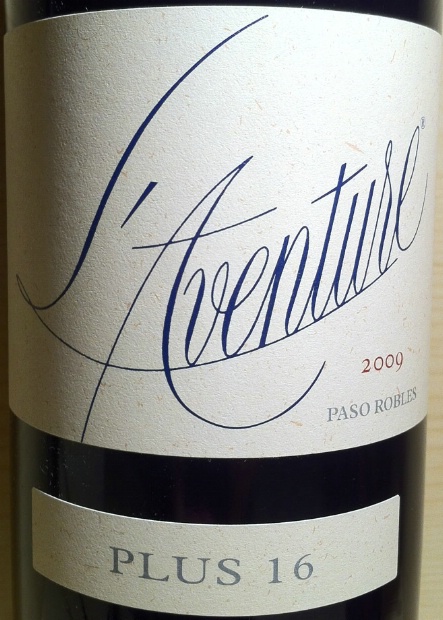
2009 L’Aventure Plus 16

California, Paso Robles

This wine was more “true” Southern Rhone in profile with 42% Mourvedre in the mix. A touch earthy in character (from the Mourvedre), with all of the beautiful blue and black fruit that they usually coax from their grapes. A slightly heavier mouth-feel, with great balance. A little lighter on the structure, even with 42% Cab Sauv. It is possible, the six years in a bottle have softened the tannins and acidity a bit. This wine is definitely in its prime drinking window, perhaps 2015-2017. If you have this in your cellar, don’t let this sit too much longer!

Estate Cuvee

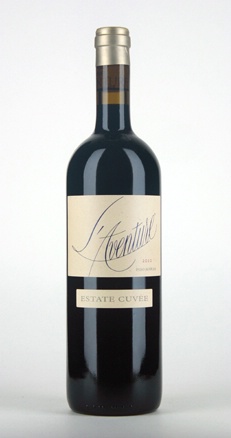
2010 L’Aventure Estate Cuvee

California, Paso Robles

Another “Wow” moment with an Estate Cuvee. A big, powerful red, with more structure than the Plus 16. Less earthy with no Mourvedre here, instead – a liberal dose of 16% Petit Verdot. An unbelievable 15.7% alcohol and you can barely tell it is an adult beverage. Soft, plush texture and a nice backbone. Just a gorgeous wine, drinking beautifully at five years in the bottle. Drinking window of 2015-2020, depending on your feeling about tannic structure.

Viader

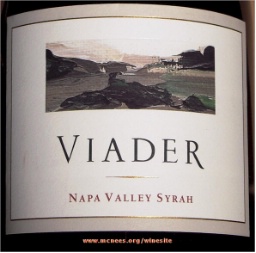
2007 Viader Syrah

California, Napa Valley

The Viader is a 100% Syrah blended from two different clones – Rhone and Barossa. I really enjoyed this wine, the others in the group, not so much. The drawback, the 14.9% alcohol was very evident. This Viader wine had a refined, silky texture that I thoroughly appreciated after the mouth-coating L’Aventure wines. This was right on its drinking window with wonderful black fruit, nice acidity and a good tannic backbone. Drinking window of 2013-2016. If not for the hot profile, this wine would have held its own against the two previously enjoyed. I will make an observation here that I have noticed many times previously. Napa premium wine producers better develop an understanding of the changing palate of the American wine drinker, or they will be left behind by other wine regions in the U.S. Hot tasting wines are losing their appeal. Realistically, the alcohol over-shadows any subtle flavors that might be experienced with the hors d’oeuvres, or an accompanying meal.

Conclusion

Balance in a well-made wine still wins the day. If the winemaker goes big… he/she better have a deft hand at counter-balancing the hedonistic character of the wine. The Estate Cuvee was a gem!

Comments Off on Stephan Vineyards L’Aventure and Friend

Filed under Napa Valley, Paso Robles, Rhone Blend, U.S. Wines by Region, Wine Tasting, Wine Tasting Notes

Shafer Vineyards Wine Tasting and Visit – Napa Valley, Stags Leap AVA

Shafer-Vineyards1

.

I was really looking forward to visiting Shafer on this trip. It was expensive, but I wanted to connect with the same winery that had produced those great vintages of One Point Five and Relentless.  I envisioned writing this crazy post that would make you want to jump on an airplane right now and drive directly to the winery.

.

Shafer-Tasting-Room

Tasting Experience

As you approach the winery, this is a hilly site that hits you with a luxurious feel of rolling vineyards.  It was a gorgeous facility and the tasting room was well-appointed.  The whole experience was just as the description sounds – expensive, stuffy, high-brow.  My wife and I were tasting with a group of eight consumers.  The group tasted the current releases, including the Hillside Select that had a retail price of $250/btl.  I spoke to several in the group afterwards and they had already moved on, asking me to recommend other sites in Napa.  Not that the wines weren’t good… just that the experience was not engaging and did not leave a lasting impression.  For the price of the tasting and the cost of these wines, you would expect something different.  The Shafer experience is a throw-back to an American wine experience long past.  Today, even the wine drinker able to afford this collection, is looking for a more relaxed presentation.

The Shafer 2014 Releases

2012 Shafer Chardonnay – Carneros, Red Shoulder Vineyard

Lots of citrus on the nose with citrus AND tropical fruit flavors in front on the palate.  The tropical fruit character was a nice change from other Napa Chardonnays.  The lack of malolactic fermentation adds to the perception of very high acidity, which is a nice counter-point to the creamy mouth-feel.  Very Old World winemaking here – lots of new French Oak and a full 14 months on the lees.  A very nice Chardonnay and the second best wine of the day, in my opinion.

2012 Shafer Merlot – Napa Valley

Nose was a bit unusual with a floral character from the 6% Malbec.  Once the carmelized butter hits the nose, you know where this is going… a rich, toasty oak experience.  The wine is fruit-forward with typical plum flavors in front, but the mid-palate catches you off-guard with a very bitter and sharp dark chocolate flavor that makes the wine difficult to drink.  Also, you would expect a little more mouth-feel from a high-end Merlot like this.  The wine’s structure had high tannins and high acidity.

2011 Shafer One Point Five – Stags Leap (100% Cabernet Sauvignon)

I didn’t know what to expect with this.  All the talk of how poor the growing season was in 2011, I was hoping the winemaker had taken an approach aiming to work with the fruit, instead of fight it.  Unfortunately, that was not the case.  Boysenberry, plum and fresh tobacco on the nose.  The palate was fruit-forward with a little more red/black berries, than currant and plum.  The mid-palate transitioned to pleasant dark chocolate and fresh tobacco, with a very weak finish.  The finish highlights the problem with this wine.  The structure included high acidity, but only medium tannins, missing the structure needed for proper aging.  The balance was good, but the mouth-feel wasn’t there.  I would guess a drinking window of another five years, or less, by which time the balance will be lost.  The tasting offered two impressions:

  • Fruit from a cool year that was picked too early, due to the rain during harvest that year
  • A winemaker that attempted a traditional Napa Cab, instead of one with a silkier, lighter elegance – to match the fruit from such a difficult growing season

2011 Shafer Relentless – Napa Valley (Syrah blend)

The Syrah fared much better in the cooler 2011 year… as you would expect from a varietal that stands up to cooler temperatures well.  Fortifying this blend with Petit Sirah adds plushness to the mouthfeel and deep color.  Minty on the nose with lots of plum in front on the palate.  The mid-palate moves to pleasant dark chocolate with a medium length finish.  What I liked most about this wine was the character of the tannins.  No grittiness, or bite… the mouth-drying tannins were very soft and smooth.  The wine’s structure had high tannins and high acidity.  This Syrah blend will age well.

2010 Shafer Hillside Select – Stags Leap (100% Cabernet Sauvignon)

By far, this was the most enjoyable wine of the tasting.  Very fruity plum on the nose with a touch of tobacco and menthol.  A blackberry and plum fruit-forward palate with a very long, luxurious dark chocolate finish.  Beautifully balanced with soft tannins and a nice acidic backbone.  The wine was soft, but not particularly vibrant in the mouth.  A very refined style and the best wine of the tasting.  An excellent Napa Cabernet, but at $250/btl, difficult to justify the price.  I wonder where the 2011 vintage will take them?

Understanding the Shafer Message

Once the wine tasting was complete, the group discussed wine availability with the attendant.  This is where the whole experience goes awry.  So, apparently Shafer is a winery 100% committed to the three-tier distribution system.  They sell-out through distribution most years.  Only 15-20% of production is used for on-site tastings, or sold direct to the consumer… and they make sure you know it.  Limited availability is stressed.  I have no idea what message they are trying to craft for the consumer, but it comes across as being very detached.  I have tasted at many wineries whose total production is committed to allocation, having no wine to sell, but at least there… they apologize and help people to understand how the tastings are pulling wine away from previously allocated purchases.  I recognize supply and demand issues as well as the next guy, but at least they could be apologetic regarding the circumstances…

Conclusion

In the past, I have purchased Shafer wines via wine brokers.  The wines maintain value, but do not seem to appreciate much on the open market, so many 5-10 year old vintages can be acquired at roughly the same price as current releases.  Without a feeling of connection to the winery, my future Shafer purchases will be based solely on QPR (quality to price ratio) and in most years, that will be a hard sell.

Comments Off on Shafer Vineyards Wine Tasting and Visit – Napa Valley, Stags Leap AVA

Filed under Napa Valley, U.S. Wines by Region, Wine Tasting, Wine Tasting Notes

Winemaker Interview – David Ramey of Ramey Cellars

Winemaking Aristocracy

Please follow my winemaker interview series! You can find this and other interviews at the following link:

http://winemakerinterviewseries.net/2015/01/05/winemaker-interview-david-ramey-of-ramey-cellars/

Comments Off on Winemaker Interview – David Ramey of Ramey Cellars

Filed under Bordeaux/Meritage Blend, Chardonnay, Napa Valley, Sonoma County, U.S. Wines by Region, Wine by Varietal, Wine Education, Wine Tasting, Wine Tasting Notes, Winemaker Interview

Cabernet Sauvignon Blend Comparison

See a follow-up to this post at:  https://coolclimatewine.wordpress.com/2014/12/28/follow-up-to-cabernet-sauvignon-blend-comparison/

Tasted Friday, December 26, 2014

INTRODUCTION

I selected one each Bordeaux, Napa and Tuscan Cabernet Sauvignon blend to pair with dinner for this get-together. We invited friends over for a meal of braised beef short ribs, home-made mac & cheese with gruyere & cheddar sauce and succotash. All the wines paired extremely well with the meal served.

The Le Petit Haut Lafitte was the standout of the night. This was extremely well-balanced, with good structure and had a very pretty, refined character that spoke of a well-made wine. A mix between Old and New World with a fruit-forward palate.

The surprise of the night was the ’93 Beringer. Wow, what a great aged Napa Cab. Just an excellent bottle-aged wine. This wine was made to age well and actually has a few years left in it, if anyone has this in their cellar… it isn’t dead yet!

FLIGHT 1 – CABERNET SAUVIGNON BLENDS (4 NOTES)

All great choices and enjoyed by all!

USA, California, Napa Valley

After one hour decant. This was the most surprising wine of the night. At 21 years old this bottle was singing! The nose showed plum, blackberry, black cherry, graphite and earth. The freshness of fruit on the palate was nothing short of amazing for a ’93. The palate followed the nose with beautiful fruit. The structure was spectacular for an aged wine, with medium-high tannins, good acidity and well-integrated alcohol. Nice mid-palate of tobacco that added complexity, but the mouth-feel is what got me. The balance was good and the tannins had a great velvety texture that filled the mouth. It needed more layering of flavors and a stronger finish to move in to the exceptional category though. This wine actually has a few more years under its belt! This is my first Napa cab sauv that has stood-up well to 20 years of bottle aging.

France, Bordeaux, Graves, Pessac-Léognan

After one hour decant. This was the most spectacular wine of the evening. It was extremely well-balanced, with a refined, classically old world character… while still being fruit forward. The wine showed great QPR and is a substantial effort for a second label. Plum, blackberry, creme brulee, tobacco and earth were on the nose. The palate follows the nose. The wine is very accessible for only five years in the bottle. I would suggest your prime drinking window to be 2016-2018. I don’t believe this wine will age successfully beyond that. Everyone at the dinner agreed this was the best wine of the evening. With medium-high tannins and strong acidity the structure was spot-on. The alcohol was noticeable, but did not dominate. This contributed to a superb pairing with braised short ribs. This is the best value I have tasted from Bordeaux in a long time.

USA, California, Napa Valley

After 30 min. decant. Popped this half bottle looking to see how close this wine is to its drinking window. This needs another few more years. The nose is full of plum and rich red tomato. The palate is fruit forward with plum and blackberry moving to a hint of tomato. Nice spicy character leaning towards cinnamon and clove. The wine had medium-high tannins with very high acidity. It was slightly hot and not integrated enough yet to be well-balanced. This was definitely starting to move towards a soft mouth-feel. I enjoyed this now, but believe it will be much better when I pop the next bottle in a couple of years.

Italy, Tuscany, Toscana IGT

After 60 min. decant. This improved with more time in the glass. Fruit on the nose was of cherry and plum with vanilla and herbal mint. The nose was too hot to really enjoy. The palate followed the nose. Medium-high tannins and high acidity for good structure, but not well-balanced. The alcohol was very noticeable. The other characteristics were a little out of kilter. I will save the next bottle for a couple of years, hoping it will come together.

Comments Off on Cabernet Sauvignon Blend Comparison

Filed under Bordeaux, Bordeaux/Meritage Blend, French Wine, Italian Wine, Napa Valley, Super Tuscan Blend, Toscana, U.S. Wines by Region, Wine Tasting, Wine Tasting Notes

Vintage 2014 Event – A Wine and Film Pairing

VINTAGE 2014

Link:  http://vintage2014.com/

Location: The Mod – Phoenix, AZ

Event Date: Sunday, November 9, 2014

This event was underwritten by the Santa Barbara County, California producers Buttonwood Farms, Clos Pepe, Byron, Carr, Bien Nacido Vineyards and Riverbench Wineries with the film portion produced by Wil Fernandez. The cinematography was beautiful and the pieces were well edited and offered the background for these wineries from bud-break leading up to the 2014 Harvest. The story was told through the eyes of the Winemakers, Vineyard Managers, Winery Managers and Owners. Wines from several of the wineries covered in the film were tasted at the showing.

Wil captured visually the story I have been trying to tell for some time now… (see recent post: https://coolclimatewine.wordpress.com/2014/11/07/terroir-controversy/).

Estate wineries are very aware of Terroir influences and the winemakers tend to be connected closely to each individual growing season and vintage. This connection is most often just the simple enjoyment of working in and among the vineyards. These people are down-to-earth and talk of their passion for the horticulture and viticulture associated with nurturing the vines. It is the marketing hype and food service functions that add the high-brow approach to the wine experience. If you enjoy the culture of wine, I would highly recommend attending one of these events to visually capture the winegrowing experience! If you contact Wil, I am sure he can provide information regarding future showings.

You can reach the film maker Wil at: me@wilfernandez.com.

FLIGHT 1 – WHITE WINES (2 NOTES)

 Nice SB and Chard. This area makes some of the best quality value whites in CA.
  • 2012 Buttonwood Sauvignon Blanc

    USA, California, Central Coast, Santa Ynez Valley

    93% Sauv Blanc and 7% Semillon. The Semillon is fermented in S.S. and then barrel-aged. The Sauv Blanc is fermented and aged in S.S. Aged on the lees according to winery manager in attendance.

    Typical better quality California SB. Grass and citrus on the nose. Solid acidity would contribute to a great pairing with seafood, or salad. The palate is full of lemon and grapefruit, with a touch of butter on the finish. Crisp texture, but with a slightly bigger mouth-feel from the lees.

  • 2013 Riverbench Vineyard & Winery Chardonnay Bedrock Riverbench Vineyard

    USA, California, Central Coast, Santa Maria Valley

    100% S.S. and aged on the lees according to winery manager in attendance.

    Strong lemon on the nose. Palate of lemon curd with a noticeable finish of banana. Interesting salinity from beginning to end. Strong acidity. The lees soften the crisp mouth-feel somewhat. Good complexity here, if that is your style. I enjoyed this wine.

FLIGHT 2 – PINOT NOIR (2 NOTES)

Disappointed with the Pinot showing here. These producers either were not tasting their better products, or have not jumped onboard with the idea of Terroir influenced wines.

  • 2012 Byron Pinot Noir

    USA, California, Central Coast, Santa Barbara County

    Brown butter and butterscotch on the nose. Light, watery soft texture. Very simple on the attack. Palate is mostly black, with some red cherry, and butterscotch, but is very subtle and barely fruit forward. Mid-palate has some dark chocolate with virtually no finish. Overly manipulated Pinot Noir, that fortunately has been made not to overwhelm. Difficult to get past the heavy toasted oak.

  • 2010 Bien Nacido Vineyards Pinot Noir Santa Maria Valley

    USA, California, Central Coast, Santa Maria Valley

    Bright red cherry on the nose. Initially peppery on the palate, with a sweet red cherry mid-palate and virtually no finish. With all the sweet red cherry, this wine could have been better focusing on a crisp, fresh quality. Drinkable, but doesn’t quite come together.

FLIGHT 3 – RED WINE (2 NOTES)

Carr makes a few of the better vineyard designate Syrahs in Santa Barbara County, but this one didn’t have the mojo. The Cab Franc… now, that was some great stuff and a good value too!

  • 2012 Carr Vineyards & Winery Syrah

    USA, California, Central Coast, Santa Barbara County

    Weak nose. The palate is fruit-forward with boysenberry, red cherry and sweet raspberry with a buttery finish. Medium-high acidity. Watery mouth-feel. Medium tannins. Very simple profile. Carr produces some wonderful single vineyard Syrahs, but this missed the mark.

  • 2011 Carr Vineyards & Winery Cabernet Franc Camp Four Vineyard

    USA, California, Central Coast, Santa Ynez Valley

    Nothing like a wine with a floral nose… Nose full of violets, red plum and black pepper. Silky soft mouth-feel. Medium tannins and medium-high acidity. Palate of plum, blackberry and spice with a medium-long dark chocolate finish. Carr makes very enjoyable, reasonably priced, drink-now Cabernet Franc. Enjoy!

Comments Off on Vintage 2014 Event – A Wine and Film Pairing

Filed under Cool Climate Wine, Santa Barbara County, U.S. Wines by Region, Wine Industry, Wine Tasting, Wine Tasting Notes

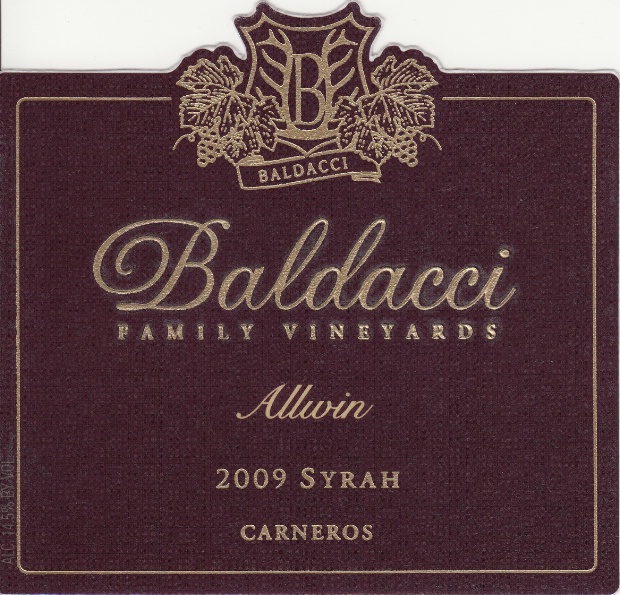
2009 Baldacci Family Vineyards Syrah Allwin

254280

Baldacci Family Vineyards Syrah Allwin

California, Napa Valley, Carneros

Wine Tasting Note:

A beautiful aged Syrah. Dinrk now… this is smack in the middle of its drinking window. The nose is full of rich plum and blackberry fruit with a woody, creme brulee note. On pop and pour all you get is cashmere in the mouth. What wonderful texture! The wine is initially closed. After a 30 min. decant – the plum and blackberry becomes persistent and in front. The mid-palate is full of oak, rich brown butter and spicy clove with a medium-long dark chocolate finish. The tannins are partially resolved and medium. The acidity is medium-high producing a nice backbone. The alcohol is well integrated. An extremely balanced wine! The richness and smooth texture of this wine will only pair well with the richest foods. Falls a little flat on the finish, but I can forgive… On its own, it is an after-dinner crowd-pleaser that your guests will likely not forget. A cool-climate Carneros Syrah lives up to its potential again!

Comments Off on 2009 Baldacci Family Vineyards Syrah Allwin

Filed under Carneros, Cool Climate Wine, Napa Valley, Syrah/Shiraz, U.S. Wines by Region, Wine Tasting, Wine Tasting Notes

Winemaker Interview – Todd Anderson of Anderson’s Conn Valley Vineyards (ACVV)

Please follow my winemaker interview series! You can find this interview at the following link:


http://winemakerinterviewseries.net/2014/10/15/winemaker-interview-todd-anderson-of-andersons-conn-valley-vineyards-acvv/

Comments Off on Winemaker Interview – Todd Anderson of Anderson’s Conn Valley Vineyards (ACVV)

Filed under Cabernet Sauvignon, Napa Valley, U.S. Wines by Region, Wine by Varietal, Wine Industry, Wine Tasting, Wine Tasting Notes, Winemaker Interview