Tag Archives: wine

Wine Marketing – The Gap Between Europe and the U.S.

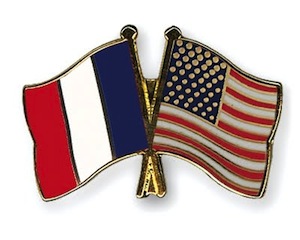
Am-Fr

Can European Wine Producers Access the Mainstream U.S. Market?

I have two acquaintances from Europe on a work visa here in the States.  It is always interesting to hear their perspective on wine.  They view wine very differently than the majority of my U.S. friends.  When I am looking for someone to explore and appreciate the complexities of Northern Rhone, or Burgundy with me…  it is rarely my U.S. friends.  Decades of high Robert Parker scores have been driving demand for high alcohol, big oak and rich mouth-feel and have skewed the high-dollar U.S. Cabernet market towards palates that have been trained to demand it.  I know, because that was mine back in the day.  It’s all good though.  I have come to enjoy both the big & bold and lighter complex styles.  Although I must say, the wines that fill that special place for me are often the more balanced lighter wines of Italian origin.  With such major differences in style preference between here and there, can a wine executive from Europe having grown up with a different wine sensibility…  truly understand the American consumer?

Many Europeans Experience Wine as an Accompaniment to Food

Until 2010, I primarily drank wine before, or after a meal, but rarely with. Based on my friends, acquaintances and wine education events, this is the primary wine experience for the majority of Americans.  It wasn’t until my Sommelier training that I was introduced to the idea of wine as an accompaniment to food.  Too many U.S. consumers evaluate wines and make buy decisions based on tasting without paired food.  I don’t believe this is well understood by wine industry executives in Europe. The popularity of the big fruit-forward taste profile in the U.S. is a good barometer for this discussion.

Is There an Assumption of Basic Wine Knowledge?

There are a few points to make on this topic. Wine is a common fixture on most French, Italian and Spanish dinner tables, consequently children are exposed to wine at a very early age.  This leads to basic wine knowledge being assumed by many Europeans.  In addition, branding regional food and wine by city, or area name is well understood there. In the U.S., this is a confusing and foreign concept. Until another approach to marketing is developed, the under $50/btl. retail wine market here will continue to be an elusive target for European producers.

Many Europeans might cringe at the idea that the most popular food dish in America is probably boxed mac & cheese.  The foodie movement is a relatively new trend here.  Working with consumers in the U.S. means starting with people from the ground up and building demand with little steps.

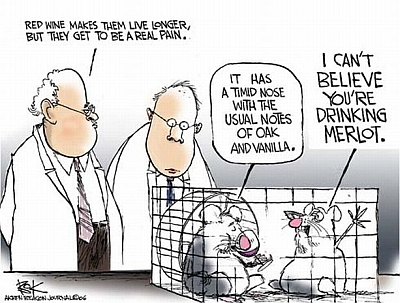
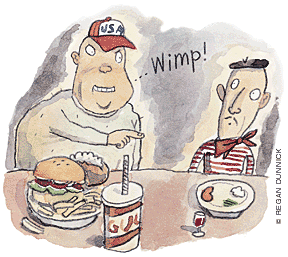
Red Wine Health Benefits Comic

Are European Producers Targeting Only U.S. Collectors and Connoisseurs?

Importing marketing, or sales professionals from Europe is a thoroughly misguided idea… unless you are trying to target the 5% of the total market (by volume) that are the collectors and connoisseurs. I have had only a few experiences with Europeans in a sales role for wineries in the U.S.  They have all been French and were the singular worst experiences I have had during all my wine trips to California over the years.

Changing the American Wine Paradigm

The challenge in the American market is convincing the average consumer that wine is not just for special occasions and holidays… or… is not just a glass on tap (yes, most winebars are now serving on tap) with friends before, or after dinner.

Wine Wimp

Conclusion

The more I talk to people in wine marketing in the U.S., the more I realize how misguided many are… and how absolutely correct the winemakers usually are… winemakers and vineyard managers are just farmers at heart.  It is this wine for the “regular Joe” story that resonates with the average American Consumer. If wine is to gain greater market share here, it should be experienced as relaxed and fun, with no rules. Put together an effective explanation of why focusing on wine can make life richer… and there you have a marketing campaign that will have an impact in the U.S.

Comments Off on Wine Marketing – The Gap Between Europe and the U.S.

Filed under Business, Food Pairing, Wine Industry

Beer from a Wine Guy’s Perspective

Avery IPA_Badge                  BayernRibbonLogo              Equinox logo

kettlehouse-logo                   Verboten Logo                 Odell logo


Recently, my wife and I spent two weeks traveling through Montana and Colorado.  We hit roughly 15 breweries with the aim of understanding beer a little better.  It took most of the two weeks to begin developing an understanding of how to evaluate beer.  Like wine, it is still all about the balance and structure, but unlike wine, these qualities come from different sources.  A beer flavor profile is built primarily from these components: grain variety, malt and/or roast process, hops variety, yeast variety and water.  Certain styles of beer can also have substantially higher/lower alcohol content, added flavors, be barrel aged, be cold or warm fermented, or finally the delivery system (tap) can have a major impact on texture.  This post will focus on the 10,000 ft. view, trying to provide the bigger picture that is beer.  If you have not already experienced all that beer has to offer, this should introduce you to the tremendous diversity in the Craft Brew Continuum.  Most of the breweries we visited are listed at the end of the post.

Grains

Grains are typically either: Barley, Wheat or Rye. Barley is most common.  Wheat is selected more typically in lighter styled beers and Rye is used in many IPA‘s to add spice and body.

Malt and/or Roast

Malting is the process by which the grain is soaked in water and allowed to sprout, making the starch in the grain available to the brewer for fermentation.  These “malted” grains are then dried and can be roasted at different levels to achieve more diverse flavors.  There are many different processes that produce light to dark and even specialty malts like caramel, or chocolate.  Darker styles of beer rely heavily on Malt/Roast processes to develop their flavors.

Hops

There are many varieties of Hops that can be grown in a number of cooler climate areas around the world. Each can taste quite different in the beer.  Hops is primarily used for bittering and an international scale has been developed to measure the amount of Alpha Acids that causes the bitterness in parts per million.  The scale is simply called International Bitterness Units (IBU’s).  As a reference:

  • A Lager might have an IBU rating in the 10-20 range.
  • An Amber Ale might have an IBU measurement in the 25-40 range.
  • An India Pale Ale (IPA) might be in the 60-80 range.
  • An Imperial, or Double IPA could be anywhere from 80-200.

Hops is usually boiled and then fermented with the Wort.  The Hops can add citrus, piney, floral, or spicy flavors, depending on the variety used.  It can also make an enormous difference if additional hops are added and allowed to soak after fermentation.  When done in this manner, the hops tend to impart their more complex flavors, rather than primarily the bitterness from the Alpha Acids.

Yeast

As in wine, various controlled and wild yeasts can be used and will impart different flavors also.  The most startling example of Yeast impacting the final beer flavor is in the Kolsch style.  Try one sometime and you will get the idea.  There are yeasts that are more efficient during cold ferment (like Lager), or warm ferment (like Ale). The cold vs. warm process affects the flavor too.

Water

Water is water, but then again… it is the largest percentage component in beer.  It can have an affect on the final flavor profile based on minerality, or other characteristics.

Added Components

Everything is fair game in this category.  On this trip, we tasted everything from pickle juice, or coffee being added to the process to habanero chiles and peach nectar.  The Lambic style of beer takes this idea to the limit, with all having a fruit component and usually some level of sweet, or sour to it.

Barrel Aging & The Delivery System

As in wine, barrel aging is a practice used to impart additional flavors and characteristics to the beer.  Today, it is not uncommon to see IPA, Saison, Porter and Stout aged in whiskey barrels.  The challenge with this practice is the loss of the carbonation byproduct from the fermentation.  Often this style of aged beer is put on tap with CO2, or N2 to add the bubbly back.  I know my palate has a hard time drinking beer without the bubbles.

Acidity in Beer

This is an interesting topic for me. Acidity in wine is a key component to the “backbone”, or “structure” in a wine.  Low acid wines taste flabby and flat.  I found the same goes for many styles of beer.  So, managing the acidity in beer is crucial too… and has much to do with the water.  When the water used in the Wort has a high amount of dissolved carbonates (for example), crisp beer styles like Lager and Pilsner are impossible – unless the Wort is acidified through additives.  Acidity can accentuate the hoppy flavors in IPA’s.  Porters and Stouts benefit from lower acidity to develop a creamier mouth-feel.

Alcohol Level

Personally, I enjoy high alcohol beers, i.e. Strong Ale and Barley Wine.  You can’t sit down and drink 72 oz. of this stuff like a Lager, but the higher alcohol adds more texture and mouth-feel… characteristics I enjoy.  There are many ways to amplify the alcohol.  Just as in cooler climate wines, winemakers can Chaptalize and add sugary components, the same thinking can be applied to beer.  Typically, it is difficult to get more than 6% or 7% alcohol from simply malted barley, but any sugary substance added to the Wort can increase the alcohol percentage produced by the fermentation.

Evaluating Beer & Beer Styles

In order to evaluate beer, you need to understand the different styles of beer and tie them back to the differences in the components.  Based on the Beer Judge Certification Program there are 28 broader categories and 102 individual beer styles.  I will just cover the major categories here for this discussion: Lager, Pilsner, Amber, Bock, English Pale Ale, Scottish/Irish Ale, American Ale, Porter, Stout, IPA, German Wheat Beer, Belgian Ale, Sour Ale,  and Strong Ale.  For the purposes of this piece, we will exclude Mead and Cider…

At least for me, I can fit beer into six major categories:

  1. Light, crisp beers (Pilsner, Lager, Wheat)
  2. Lighter ales (Pale, American)
  3. Medium maltier ales with slightly roasted barley (Amber, Scotch)
  4. Bitter ales (IPA, Strong)
  5. Dark ales (Porter, Stout)
  6. Specialty beers (lambic, sour and beers with added flavors)

OK, for you purists, don’t beat me up to badly. I know there are supposed to be 28 categories, but my palate tends to compare and file away each beer into one of these six.

Conclusion

In these two weeks of visiting breweries, I was able to associate a flavor profile in my mind with each and put the equivalent of a varietally correct wine model in place for each.  Similar to my training to taste wine blind and identify grape varieties… I would be comfortable doing the same for beer now.  I have also matched my palate to beer styles I prefer, learned beer-making practices that impact flavors I enjoy and flavor profiles to expect based on a written description.  It was a great trip!  For anyone in the beverage trade, I would highly recommend such a voyage of discovery!

BREWERIES WE VISITED: 

Northern Colorado

Big Beaver Brewing Company
2707 W. Eisenhower Blvd. Unit 9 Loveland, CO 80537 (970) 818-6064 bigbeaverbrew.com

Coopersmith’s Pub & Brewing
5 Old Town Square Fort Collins, CO 80524 coopersmithspub.com

Equinox Brewing Company
133 Remington Street Fort Collins, CO 80524 (970) 430-6489 equinoxbrewing.com

Fort Collins Brewery
1020 E. Lincoln Avenue Fort Collins, CO 80524 (970) 472-1499 fortcollinsbrewery.com

Odell Brewing Company
800 E. Lincoln Avenue Fort Collins, CO 80524 (970) 498-9070 odellbrewing.com

Verboten Brewing
1550 Taurus Court Loveland, CO 80537 (970) 988-6333 verbotenbrewing.com

Avery Brewing Company
5763 Arapahoe Ave Unit B-1 Boulder, CO 80303 (303) 440-4324 averybrewing.com

Upslope Brewing Company
1501 Lee Hill Road No. 20 Boulder, CO 80304 (303) 960-8494 upslopebrewing.com

Missoula, Montana

Bayern Brewing Company
1507 Montana Street, http://www.bayernbrewery.com, 406-721-1482
Big Sky Brewing Company
Draught Works
915 Toole Avenue, http://www.draughtworksbrewery.com, 406-541-1592
Kettlehouse Brewing Company
313 North 1st Street West, http://www.kettlehouse.com, 406-728-1660

Tamarack Brewing Company
231 W Front St, http://www.tamarackbrewing.com, (406) 830-3113
 

Comments Off on Beer from a Wine Guy’s Perspective

Filed under Beer Tasting

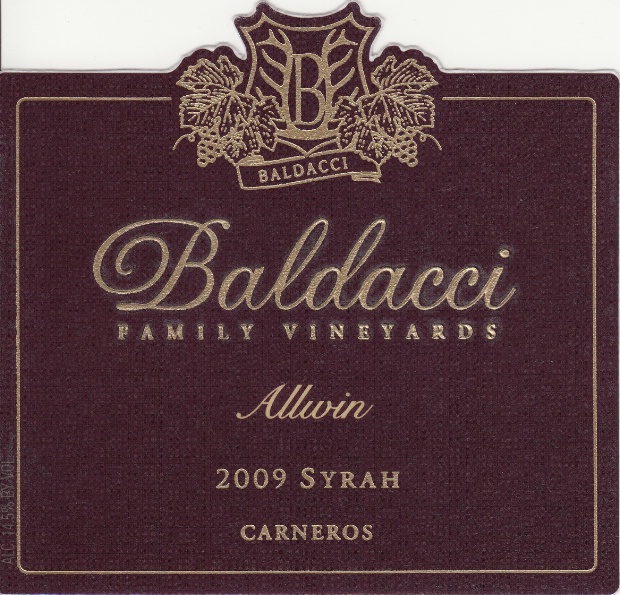
2009 Baldacci Family Vineyards Syrah Allwin

254280

Baldacci Family Vineyards Syrah Allwin

California, Napa Valley, Carneros

Wine Tasting Note:

A beautiful aged Syrah. Dinrk now… this is smack in the middle of its drinking window. The nose is full of rich plum and blackberry fruit with a woody, creme brulee note. On pop and pour all you get is cashmere in the mouth. What wonderful texture! The wine is initially closed. After a 30 min. decant – the plum and blackberry becomes persistent and in front. The mid-palate is full of oak, rich brown butter and spicy clove with a medium-long dark chocolate finish. The tannins are partially resolved and medium. The acidity is medium-high producing a nice backbone. The alcohol is well integrated. An extremely balanced wine! The richness and smooth texture of this wine will only pair well with the richest foods. Falls a little flat on the finish, but I can forgive… On its own, it is an after-dinner crowd-pleaser that your guests will likely not forget. A cool-climate Carneros Syrah lives up to its potential again!

Comments Off on 2009 Baldacci Family Vineyards Syrah Allwin

Filed under Carneros, Cool Climate Wine, Napa Valley, Syrah/Shiraz, U.S. Wines by Region, Wine Tasting, Wine Tasting Notes

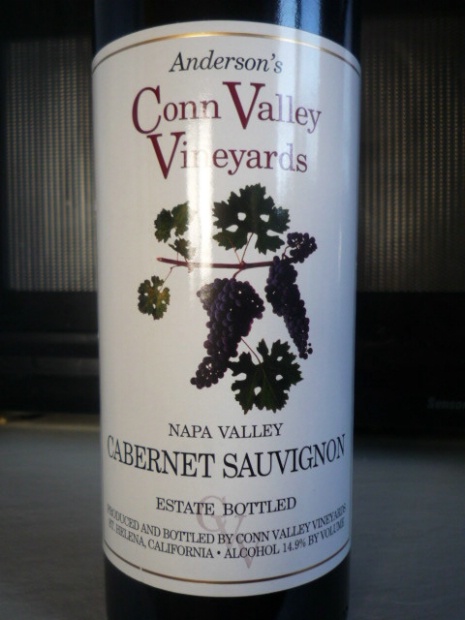
2007 Anderson’s Conn Valley Vineyards Cabernet Sauvignon

Conn 160043

Anderson’s Conn Valley Vineyards Cabernet Sauvignon

California, Napa Valley

Wine Tasting Note:

Drank over a four hour decant. Nose after pour is full of menthol and alcohol that almost masks the other more subtle notes of black plum and currant with tobacco. The acidity is very high… a definite food wine, needing red meat, or ribs. The texture fills the mouth with chewy tannins that are soft, but a touch rustic. This wine needs time to decant. After an hour decant, still shows big alcohol and menthol – overpowering the cherry and raspberry peaking through. After three hours, the alcohol has blown off and subtler notes appear. The fruit has moved forward and the plum and currant are now dominating. The menthol is now a subtle after-taste. The mid-palate has tobacco, oak and vanilla moving to a dark chocolate finish that turns a touch bitter and lasts forever… This is a premium Napa Cabernet showing its chops. For those that love the Napa Cab experience, this is an excellent example of one of the best. Another year, or two in the bottle and this wine will be ready to drink. Suggested optimum drinking window: 2016-2018.

Comments Off on 2007 Anderson’s Conn Valley Vineyards Cabernet Sauvignon

Filed under Cabernet Sauvignon, Napa Valley, U.S. Wines by Region, Wine Tasting

Winemaker Interview – Kathleen Inman of Inman Family Wines

Please follow my winemaker interview series! You can find this interview at the following link:

http://winemakerinterviewseries.net/2014/08/20/winemaker-interview-kathleen-inman-of-inman-family-wines/


Comments Off on Winemaker Interview – Kathleen Inman of Inman Family Wines

Filed under Wine Tasting, Winemaker Interview

2004 Pahlmeyer Winery Jayson Red Blend

86382

Pahlmeyer Winery Jayson Red Blend

California, Napa Valley

Wine Tasting Note:

Initial taste is hot and alcoholic, watery and missing fruit. After a 90 minute decant – the wine has evolved into a beautiful aged Cabernet Sauvignon blend.  The alcohol has blown off, the tannins are soft and dusty and the blackberry and black currant is in front.  A definite Dr. Jekyll and Mr. Hyde experience!  This is the third 10-15 year-old premium Napa Cab I have tasted this year, and the experience has been similar.  These older Napa cabs need time to open…  The nose is still hot, but the fruit is prominent, with leather and loamy earth.  The palate is fruit forward now, but is typical of an older wine: missing the fresh fruit, but not oxidized yet. The mid-palate has leather, oak, spice and earth with a medium-long finish of dark chocolate.  The acidity is high and the tannins are very soft and subdued.  The structure is solid, but the balance is a touch off.  A few years earlier and the additional fruit might have offset the high acidity and alcohol. I found this enjoyable paired with a meat and cheese plate…

Had to add this postscript:

After 4 hour decant – Oh my gosh! The fruit is turning red and becoming sour raspberry. The tannins have completely resolved, but the wine is moving towards a velvet texture. The acidity has calmed down.  A great example of a balanced profile.  Just fantastic aged red wine!  Is there enough fruit to put another 3-5 years of bottle age on this, I hope so… I have one last bottle…

Comments Off on 2004 Pahlmeyer Winery Jayson Red Blend

Filed under Bordeaux/Meritage Blend, Napa Valley, U.S. Wines by Region, Wine Tasting, Wine Tasting Notes

Winemaker Interview – Bill Nancarrow of Goosecross Cellars

Please follow my winemaker interview series! You can find this interview at the following link:

http://winemakerinterviewseries.net/2014/08/06/winemaker-interview-bill-nancarrow-of-goosecross-cellars/


Comments Off on Winemaker Interview – Bill Nancarrow of Goosecross Cellars

Filed under Wine Tasting

1999 Duckhorn Vineyards Merlot Three Palms Vineyard

289199

Duckhorn Vineyards Merlot Three Palms Vineyard

California, Napa Valley

Wine Tasting Note:

After One Hour Decant

The alcohol is blowing off now. The nose is of black plum and blackberry, with strong cinnamon and clove spice character. Rather simple on the palate. The fruit is subdued, but in front still, with a mid-palate of powerful clove. The medium length finish is a mild, bitter dark chocolate. The bitterness becomes sour at the very end. The tannins are still present, but minimal and the acidity is still medium high. I was disappointed by the texture. The mouth-feel was a touch watery. This is a few years past its prime. This is not tasting oxidized yet. Still enjoyable and will definitely pair well with the beef that will be accompanying it.

After Two Hour Decant

The wine is still changing. The fruit is continuing to subside on the palate, but adding sour strawberry. The texture is continuing to evolve. The finish is lengthening and adding black pepper. The tannins are becoming a bit chewy. The acidity is becoming more prominent and the mouth-feel is building softness. Patience is paying off and the potential of this wine is starting to peak out. Amazing that a 15 year old bottle of wine can continue to evolve for two hours in the decanter!

Comments Off on 1999 Duckhorn Vineyards Merlot Three Palms Vineyard

Filed under Merlot, Napa Valley, U.S. Wines by Region, Wine by Varietal, Wine Tasting, Wine Tasting Notes

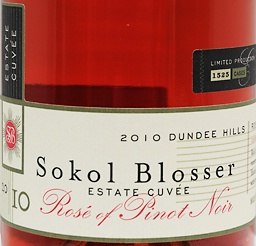
2010 Sokol Blosser Rose of Pinot Noir Estate Cuvee

171785

Sokol Blosser Rose of Pinot Noir Estate Cuvee

Oregon, Willamette Valley, Dundee Hills

Wine Tasting Note:

I was looking at some recent tasting notes on this wine and I definitely have a different view. There are those that record the gradual loss of fruit in a white/rose wine as a marker of the descent into oxidization and eventual fault. I don’t understand this thinking. Wine does not need to be a fruit bomb to be appreciated. In many quality wines, bottle age promotes balance and softens structure – qualities I enjoy very much. Apparently, this thinking does not follow the palate of many wine consumers. I prefer some bottle-age on fine whites and rose! Take a well made white/rose with solid acidity, nice texture, lower alcohol, a minimum of oak and without any one characteristic overpowering the other… put some age on it and I am sold! Doesn’t matter whether white, rose, or bubbly. The right wines almost always do improve. So, this one knocked my socks off! It is a different tasting experience than the first bottle back in 2011. Beautiful, delicate nose of strawberry, hay and herbal mint. The palate is losing the fruit, but still begins with tart strawberry and now just a hint of watermelon. A touch of butter comes through from the lees. The huge acidity has toned down a bit, but still assertive enough to surpass most of the rose I taste. This is wonderfully dry, with enough fruit to mask any bitterness. The texture on this rose is wonderful! What the winemaker did with leaving this on the lees to age for a time before bottling, is almost god-like in its brilliance. IMO, the optimal window for drinking this wine is 2014-2015. Don’t let it sit much longer, or too much of the fruit will resolve. What a great value in Rose! Oregon shines again!

2 Comments

Filed under Dundee Hills, Pinot Noir, U.S. Wines by Region, Willamette Valley, Wine Tasting, Wine Tasting Notes

Jim Duane – Winemaker Interview

Seavey Vineyards 

California, Napa Valley


Jim Duane – Winemaker

Please follow this link to the Winemaker Interview Series at: http://winemakerinterviewseries.net/2014/07/22/wine-liquid-sunshine


I look forward to folks reading the piece. I would love to hear feedback, or comments. Always interested in what people have to say. I enjoy telling stories with my writing and I hope this piece gives you a glimpse into the winery and the man. I really enjoy these family wineries and hope the piece does their story justice.

Thanks,

Doug


Comments Off on Jim Duane – Winemaker Interview

Filed under Cabernet Sauvignon, Napa Valley, U.S. Wines by Region, Wine by Varietal, Wine Industry, Wine Tasting, Wine Tasting Notes