
Tag Archives: Wine Tasting

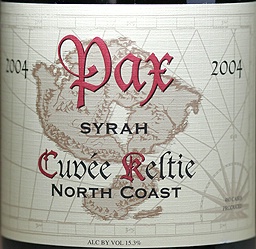
Pax Cuvee Keltie Syrah North Coast

22118


Pax Wine Cellars

2004 Cuvee Keltie Syrah North Coast

California, North Coast

Wine Tasting Note:

Initially, this was too hot and closed directly out of the bottle. After a one hour decant: blackberry and mint on the nose. The nose had a bit too much alcohol to enjoy. 11 years in the bottle and still plenty of structure with medium-high tannins and acidity. As you would expect, the freshness of the fruit is gone. The palate is of blackberry, black currant and bitter dark chocolate with a short finish. The alcohol is evident, but not over-whelming. The big winner here is the mouth-feel. A beautiful Northern Rhone kind of character that starts a little oily and finishes with mouth-coating, grainy tannins that were a little to the rustic side of velvetty. This wine has the structure to sit in the cellar much longer, but the fruit will not last. Best drinking window is/was probably 2012-2016. I have seen other recent tasting notes that describes a fruit-forward wine with a sweet finish. This bottle was very dry and had a subdued fruit character.

All-in-all a nice effort to produce an age-able, structured Syrah with a Rhone feel. This would have been a 95+ wine, if the alcohol component had been more balanced against the total profile.

2 Comments

Filed under Cool Climate Wine, North Coast, Syrah/Shiraz, U.S. Wines by Region, Wine Tasting, Wine Tasting Notes

Stephan Vineyards L’Aventure and Friend

I decided to stand-up a couple of my favorites for my birthday and decided it would be a L’Aventure night!

I am a huge fan of red blends, especially Southern Rhone style. In my opinion, L’Aventure is the quintessential producer in this category in the USA. The winemaker and owner Stephan Asseo is a French ex-pat that moved to the U.S. to make red-blends from the fabulous Terroir on the West Side of Paso Robles. He was looking to escape the French limitations of the AOC laws and he has done it in a big way. L’Aventure wines capture the perfect balance of the big red Paso profile, while still maintaining elegance and balance. The Estate Cuvee in some vintage years, has easily made it into my top 50 list of best bottles of all time. If you like Robert Parker Jr. picks, you will adore these wines. If you enjoy Stephen Tanzer’s picks you will enjoy these wines and marvel at the finesse of wines with such power.

Mr. Asseo often uses Cab Sauv in his red wines and I appreciate this working outside of traditional boundaries. You don’t often see Syrah and Mourvedre blended with Cab Sauv and Petit Verdot in a wine, but in the hands of a master winemaker, the winery is able to encourage just the right contribution from each to make a harmonious whole. Mr. Asseo is also a block blender extraordinaire… with 58 acres separated into 40 blocks, each vinified separately, then blended… he has developed a system to coax the just the right character from each Micro-Terroir and has the palate to blend them properly. Virtually all L’Aventure wines are comparatively high in alcohol, but are well balanced and do not seem hot. L’Aventure wines are definitely priced within the premium space in the marketplace, but they are also one of the very few producers in this category that continually delivers on value.

I enjoyed these wines with friends and was unable to take detailed notes, so I will only be able to provide general impressions. The group had a wonderful time and enjoyed the wine immensely. In my mind, it is always preferable to share a special bottle at a romantic dinner, or with friends!

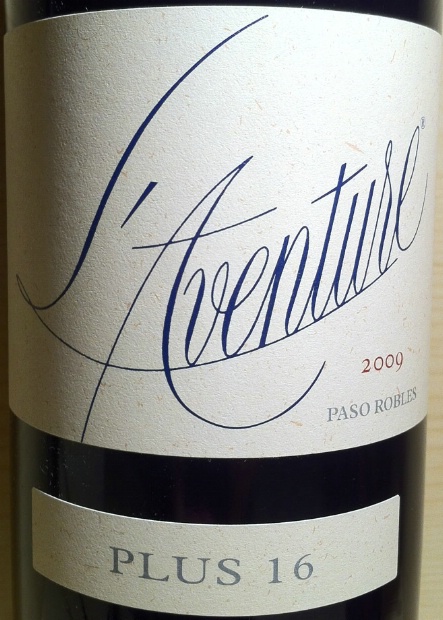
Plus 16

2009 L’Aventure Plus 16

California, Paso Robles

This wine was more “true” Southern Rhone in profile with 42% Mourvedre in the mix. A touch earthy in character (from the Mourvedre), with all of the beautiful blue and black fruit that they usually coax from their grapes. A slightly heavier mouth-feel, with great balance. A little lighter on the structure, even with 42% Cab Sauv. It is possible, the six years in a bottle have softened the tannins and acidity a bit. This wine is definitely in its prime drinking window, perhaps 2015-2017. If you have this in your cellar, don’t let this sit too much longer!

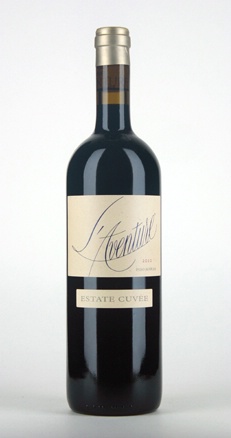
Estate Cuvee

2010 L’Aventure Estate Cuvee

California, Paso Robles

Another “Wow” moment with an Estate Cuvee. A big, powerful red, with more structure than the Plus 16. Less earthy with no Mourvedre here, instead – a liberal dose of 16% Petit Verdot. An unbelievable 15.7% alcohol and you can barely tell it is an adult beverage. Soft, plush texture and a nice backbone. Just a gorgeous wine, drinking beautifully at five years in the bottle. Drinking window of 2015-2020, depending on your feeling about tannic structure.

Viader

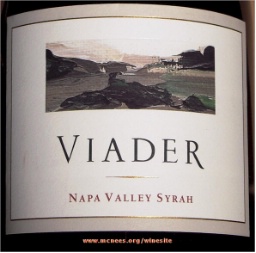
2007 Viader Syrah

California, Napa Valley

The Viader is a 100% Syrah blended from two different clones – Rhone and Barossa. I really enjoyed this wine, the others in the group, not so much. The drawback, the 14.9% alcohol was very evident. This Viader wine had a refined, silky texture that I thoroughly appreciated after the mouth-coating L’Aventure wines. This was right on its drinking window with wonderful black fruit, nice acidity and a good tannic backbone. Drinking window of 2013-2016. If not for the hot profile, this wine would have held its own against the two previously enjoyed. I will make an observation here that I have noticed many times previously. Napa premium wine producers better develop an understanding of the changing palate of the American wine drinker, or they will be left behind by other wine regions in the U.S. Hot tasting wines are losing their appeal. Realistically, the alcohol over-shadows any subtle flavors that might be experienced with the hors d’oeuvres, or an accompanying meal.

Conclusion

Balance in a well-made wine still wins the day. If the winemaker goes big… he/she better have a deft hand at counter-balancing the hedonistic character of the wine. The Estate Cuvee was a gem!

Comments Off on Stephan Vineyards L’Aventure and Friend

Filed under Napa Valley, Paso Robles, Rhone Blend, U.S. Wines by Region, Wine Tasting, Wine Tasting Notes

Winemaker Interview – Sally Johnson-Blum of Pride Mountain Vineyards

Please follow my winemaker interview series! You can find this and other interviews at the following link:

http://winemakerinterviewseries.net/2015/03/01/winemaker-interview-sally-johnson-blum-of-pride-mountain-vineyards/

Comments Off on Winemaker Interview – Sally Johnson-Blum of Pride Mountain Vineyards

Filed under Wine Tasting, Wine Tasting Notes, Winemaker Interview

Shafer Vineyards Wine Tasting and Visit – Napa Valley, Stags Leap AVA

Shafer-Vineyards1

.

I was really looking forward to visiting Shafer on this trip. It was expensive, but I wanted to connect with the same winery that had produced those great vintages of One Point Five and Relentless.  I envisioned writing this crazy post that would make you want to jump on an airplane right now and drive directly to the winery.

.

Shafer-Tasting-Room

Tasting Experience

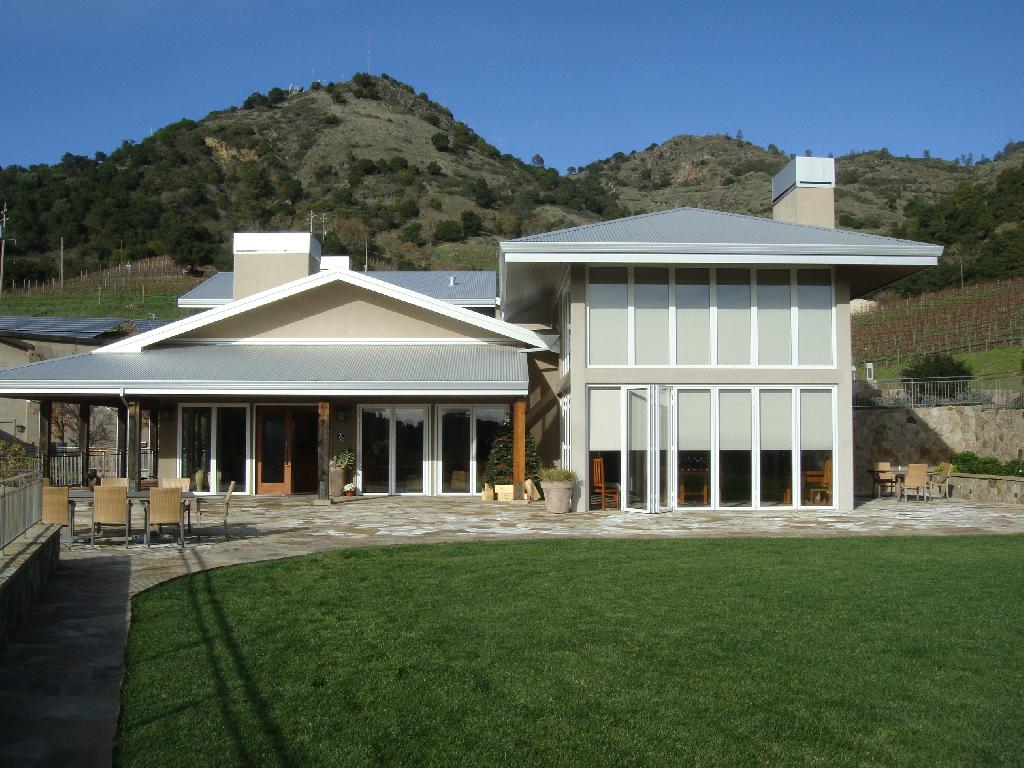
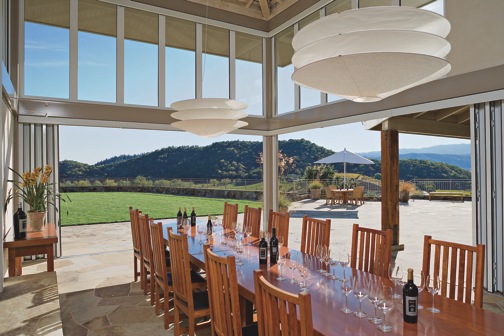
As you approach the winery, this is a hilly site that hits you with a luxurious feel of rolling vineyards.  It was a gorgeous facility and the tasting room was well-appointed.  The whole experience was just as the description sounds – expensive, stuffy, high-brow.  My wife and I were tasting with a group of eight consumers.  The group tasted the current releases, including the Hillside Select that had a retail price of $250/btl.  I spoke to several in the group afterwards and they had already moved on, asking me to recommend other sites in Napa.  Not that the wines weren’t good… just that the experience was not engaging and did not leave a lasting impression.  For the price of the tasting and the cost of these wines, you would expect something different.  The Shafer experience is a throw-back to an American wine experience long past.  Today, even the wine drinker able to afford this collection, is looking for a more relaxed presentation.

The Shafer 2014 Releases

2012 Shafer Chardonnay – Carneros, Red Shoulder Vineyard

Lots of citrus on the nose with citrus AND tropical fruit flavors in front on the palate.  The tropical fruit character was a nice change from other Napa Chardonnays.  The lack of malolactic fermentation adds to the perception of very high acidity, which is a nice counter-point to the creamy mouth-feel.  Very Old World winemaking here – lots of new French Oak and a full 14 months on the lees.  A very nice Chardonnay and the second best wine of the day, in my opinion.

2012 Shafer Merlot – Napa Valley

Nose was a bit unusual with a floral character from the 6% Malbec.  Once the carmelized butter hits the nose, you know where this is going… a rich, toasty oak experience.  The wine is fruit-forward with typical plum flavors in front, but the mid-palate catches you off-guard with a very bitter and sharp dark chocolate flavor that makes the wine difficult to drink.  Also, you would expect a little more mouth-feel from a high-end Merlot like this.  The wine’s structure had high tannins and high acidity.

2011 Shafer One Point Five – Stags Leap (100% Cabernet Sauvignon)

I didn’t know what to expect with this.  All the talk of how poor the growing season was in 2011, I was hoping the winemaker had taken an approach aiming to work with the fruit, instead of fight it.  Unfortunately, that was not the case.  Boysenberry, plum and fresh tobacco on the nose.  The palate was fruit-forward with a little more red/black berries, than currant and plum.  The mid-palate transitioned to pleasant dark chocolate and fresh tobacco, with a very weak finish.  The finish highlights the problem with this wine.  The structure included high acidity, but only medium tannins, missing the structure needed for proper aging.  The balance was good, but the mouth-feel wasn’t there.  I would guess a drinking window of another five years, or less, by which time the balance will be lost.  The tasting offered two impressions:

  • Fruit from a cool year that was picked too early, due to the rain during harvest that year
  • A winemaker that attempted a traditional Napa Cab, instead of one with a silkier, lighter elegance – to match the fruit from such a difficult growing season

2011 Shafer Relentless – Napa Valley (Syrah blend)

The Syrah fared much better in the cooler 2011 year… as you would expect from a varietal that stands up to cooler temperatures well.  Fortifying this blend with Petit Sirah adds plushness to the mouthfeel and deep color.  Minty on the nose with lots of plum in front on the palate.  The mid-palate moves to pleasant dark chocolate with a medium length finish.  What I liked most about this wine was the character of the tannins.  No grittiness, or bite… the mouth-drying tannins were very soft and smooth.  The wine’s structure had high tannins and high acidity.  This Syrah blend will age well.

2010 Shafer Hillside Select – Stags Leap (100% Cabernet Sauvignon)

By far, this was the most enjoyable wine of the tasting.  Very fruity plum on the nose with a touch of tobacco and menthol.  A blackberry and plum fruit-forward palate with a very long, luxurious dark chocolate finish.  Beautifully balanced with soft tannins and a nice acidic backbone.  The wine was soft, but not particularly vibrant in the mouth.  A very refined style and the best wine of the tasting.  An excellent Napa Cabernet, but at $250/btl, difficult to justify the price.  I wonder where the 2011 vintage will take them?

Understanding the Shafer Message

Once the wine tasting was complete, the group discussed wine availability with the attendant.  This is where the whole experience goes awry.  So, apparently Shafer is a winery 100% committed to the three-tier distribution system.  They sell-out through distribution most years.  Only 15-20% of production is used for on-site tastings, or sold direct to the consumer… and they make sure you know it.  Limited availability is stressed.  I have no idea what message they are trying to craft for the consumer, but it comes across as being very detached.  I have tasted at many wineries whose total production is committed to allocation, having no wine to sell, but at least there… they apologize and help people to understand how the tastings are pulling wine away from previously allocated purchases.  I recognize supply and demand issues as well as the next guy, but at least they could be apologetic regarding the circumstances…

Conclusion

In the past, I have purchased Shafer wines via wine brokers.  The wines maintain value, but do not seem to appreciate much on the open market, so many 5-10 year old vintages can be acquired at roughly the same price as current releases.  Without a feeling of connection to the winery, my future Shafer purchases will be based solely on QPR (quality to price ratio) and in most years, that will be a hard sell.

Comments Off on Shafer Vineyards Wine Tasting and Visit – Napa Valley, Stags Leap AVA

Filed under Napa Valley, U.S. Wines by Region, Wine Tasting, Wine Tasting Notes

Winemaker Interview – David Ramey of Ramey Cellars

Winemaking Aristocracy

Please follow my winemaker interview series! You can find this and other interviews at the following link:

http://winemakerinterviewseries.net/2015/01/05/winemaker-interview-david-ramey-of-ramey-cellars/

Comments Off on Winemaker Interview – David Ramey of Ramey Cellars

Filed under Bordeaux/Meritage Blend, Chardonnay, Napa Valley, Sonoma County, U.S. Wines by Region, Wine by Varietal, Wine Education, Wine Tasting, Wine Tasting Notes, Winemaker Interview

The Best Red Wine Varietals in the World?

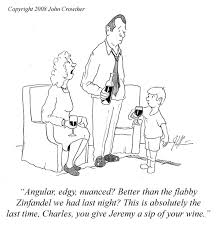
Kid Wine Quality Cartoon

Can One Grape Variety Be Better Than Another?

This statement is likely to irritate a few folks, but in my opinion, one can make an argument supporting this thinking.  It also plays squarely into my pet peeve in the industry – lack of focus on evaluating structure, balance and texture in wine.  So, which varietals capture these characteristics better than others?  Let’s tackle red varietals…  Balance is definitely most affected by the winemaker, so we will drop this from consideration.  Structure and texture come primarily from the fruit, making it easy to focus the discussion on these two areas.  Which varietals produce the most structured, textured wines in the world?

What is Structure?

Structure is the “backbone” of the wine. It is what gives the wine an impression of being complete, or without missing components.  In red wine, the components of structure are: tannins, acidity, alcohol and phenolic development.  The opposite of a structured wine is a “flabby” wine, or one missing these components.

What is Texture?

Texture is more nuanced.  The mouth perceives texture in ways you would not expect.  For example, higher alcohol wines can appear to be heavier bodied in the mouth, but intellectually that may be hard to accept.  Texture is influenced by the same components as Structure, but instead of the amount, it is more about the character of these components.  With Tannins, it is about the attack of the tannins in the mouth.  Are they dusty, grainy, fine, soft, mouth-filling?  With Acidity, it is a yes, or no proposition. Is there enough acidity to make the mouth water?  With Alcohol, it is about adding body with just enough bite to affect Structure, but not too overpowering to throw off the balance.  Phenolic development is the wild card.  Some varietals can develop the type of phenolics, when properly extracted during winemaking, to leave a slight coating on the interior of the mouth that is quite pleasant.

Terroir and Its Affect

As usual, Terroir factors into everything when discussing wine.  In this case, making the evaluation much more difficult.  Cabernet Franc dominated wines from Bordeaux and Napa come close to being included on this list, but when produced in areas like Chinon, fall far short.  Malbec dominated wines from Cahors could easily qualify, but from Mendoza not so much.  Merlot from Bordeaux’s Right Bank would be a shoo-in, but from Central California… ugh!  Why?  Because these varietals are heavily dependent on optimum terroir to express themselves properly.  Another way to explain it:  these are fickle varieties that must be grown in the right location and nurtured properly to produce quality wine.

The List

Which grape varietals consistently produce the most structured, complex and textured wines in the world?

Cabernet Sauvignon – The Grand Daddy of the Noble Grape family.  Produces wines like this in virtually every location it is grown.

Carignan – The unsung “lost” Bordeaux varietal. Produces great reds.

Tannat – Holy Cow! The biggest structured red on the planet!

Anglianico – One of the oldest grape varieties in the world and the least appreciated.

Syrah – I have run into a few that have been flabby, but 95% have been solidly in this category.

Honorable Mention

Nebbiolo – The quintessential structured red variety, but only when grown in Barolo and Barbaresco.  The most ageable of all the red varieties.

Corvina – Doesn’t apply… might be included as Amarone. Made from grapes that are dried first, before being made into wine.

Sangiovese – Inconsistent in the Chianti regions and only reaches its fullest potential in Brunello.

Touriga Nacional – This is the Grand Papa grape of Portugal and is rarely grown anywhere else.  Which is the reason it did not make the list.

Tempranillo – THE Spanish red varietal produces huge wines in Spain, but falls far short, most everywhere else it is grown.

Petit Verdot – The ultimate blending grape.  This would have been a good addition to the list, BUT when bottled on its own… is almost undrinkable.  I am convinced it is impossible to make a balanced Petit Verdot.

Additional Thoughts

I am sure folks will want to know why this, or that varietal is missing:  for example Pinot Noir. Pinot makes the most beautiful, nuanced wines in the world, but definitely not the most structured.  Any others that you do not see here are either, more obscure varieties that I have not tasted, or are varieties that are too dependent on location and winemaking style to produce structured, textured wine consistently.

HAPPY NEW YEAR!

4 Comments

Filed under Wine Education, Wine Tasting

Follow-up to: “Cabernet Sauvignon Blend Comparison”

A few comments from readers outside the U.S. highlighted the cultural bias I showed in this piece.  So, for my readers outside the U.S., I decided to write a follow-up with that in mind…

Bias Cartoon

I have written before about cultural differences and how it affects wine culture and wine jobs around the world.  It is difficult to shed the result of our up-bringing.  My point has always been – evaluating the quality of a wine is the same around the world, but whether it is enjoyed with or without food… or which foods pair best to local palates – are not simple questions with easy answers.

Cultural “Liberties”

I took many cultural “liberties” in the previous piece, assuming a shared understanding.  Also, I SHOULD have offered an evaluation regarding the best wine-food pairing…  As a starting point, keep in mind, all four wines were essentially Bordeaux style blends, the wines were similar in profile and this style of wine pairs well generally with red meat.

When I hold a tasting of varietally similar wines like these, it definitely allows a focus on evaluating structure and balance vs. flavors/aromas.  A more technical approach, but one I prefer. If you read my tasting notes, I ALWAYS discuss the structure and balance of the wine – regardless of the pairing.  I tend to evaluate wines based on how well they are made vs. how much I enjoy them.  This is the FIRST concept I was taught in formal Sommelier training.  The French wine was BY FAR the best balanced wine at the table.  So, in a tasting of similar style wines, it offered the best wine-food pairing of the four.  Which wine did I enjoy the most without food?  The 1993 Beringer Private Reserve.

In my opinion, this “Cultural Bias” is the biggest challenge that a wine professional can face when trying to bridge the chasm between Old and New World locations:  accommodating the local wine culture.  This affects every discipline in the wine industry, affecting how the wine is made, how it is marketed, serving decisions…  Perhaps, this thinking explains the importance of an involved U.S. importer to a European producer.

Cultural Differences

In the U.S., it is more common to enjoy wine without food.  One of the challenges I had to overcome in my training, but it also affects how I approach evaluating wine for my U.S. audience.  I believe there are a few ideas differentiating wine drinkers in the U.S. from many other locations around the world:

1) A significant share of the wine consumed in the U.S. is enjoyed before, or after dinner, without food.

2) Americans are looking for a less formal and relaxed wine experience.

3) When paired with food, wine flavors should enhance food flavors, rather than just complement the flavors.  Wine is not often consumed primarily to clear the palate as is common in Europe.

In closing, I was asked for a better description of the food prepared and enjoyed with the wines. So, here it is:

Beef Short Ribs – braised with a balsamic reduction for 3 hours in a pressure cooker.  They were rich, meaty, and very tender.

Mac & Cheese – a uniquely American comfort food.  This is an extremely rich pasta dish made with butter, cream and lots of cheese.  In this case we made the pasta from scratch vs. pre-packaged.

Succotash – another uniquely American dish.  A mixture of corn, butter beans (we subbed cannelloni) and okra (we subbed zucchini) in a light butter sauce with salt pork flavoring.

1 Comment

Filed under Food Pairing, Wine Education, Wine Industry, Wine Tasting

Cabernet Sauvignon Blend Comparison

See a follow-up to this post at:  https://coolclimatewine.wordpress.com/2014/12/28/follow-up-to-cabernet-sauvignon-blend-comparison/

Tasted Friday, December 26, 2014

INTRODUCTION

I selected one each Bordeaux, Napa and Tuscan Cabernet Sauvignon blend to pair with dinner for this get-together. We invited friends over for a meal of braised beef short ribs, home-made mac & cheese with gruyere & cheddar sauce and succotash. All the wines paired extremely well with the meal served.

The Le Petit Haut Lafitte was the standout of the night. This was extremely well-balanced, with good structure and had a very pretty, refined character that spoke of a well-made wine. A mix between Old and New World with a fruit-forward palate.

The surprise of the night was the ’93 Beringer. Wow, what a great aged Napa Cab. Just an excellent bottle-aged wine. This wine was made to age well and actually has a few years left in it, if anyone has this in their cellar… it isn’t dead yet!

FLIGHT 1 – CABERNET SAUVIGNON BLENDS (4 NOTES)

All great choices and enjoyed by all!

USA, California, Napa Valley

After one hour decant. This was the most surprising wine of the night. At 21 years old this bottle was singing! The nose showed plum, blackberry, black cherry, graphite and earth. The freshness of fruit on the palate was nothing short of amazing for a ’93. The palate followed the nose with beautiful fruit. The structure was spectacular for an aged wine, with medium-high tannins, good acidity and well-integrated alcohol. Nice mid-palate of tobacco that added complexity, but the mouth-feel is what got me. The balance was good and the tannins had a great velvety texture that filled the mouth. It needed more layering of flavors and a stronger finish to move in to the exceptional category though. This wine actually has a few more years under its belt! This is my first Napa cab sauv that has stood-up well to 20 years of bottle aging.

France, Bordeaux, Graves, Pessac-Léognan

After one hour decant. This was the most spectacular wine of the evening. It was extremely well-balanced, with a refined, classically old world character… while still being fruit forward. The wine showed great QPR and is a substantial effort for a second label. Plum, blackberry, creme brulee, tobacco and earth were on the nose. The palate follows the nose. The wine is very accessible for only five years in the bottle. I would suggest your prime drinking window to be 2016-2018. I don’t believe this wine will age successfully beyond that. Everyone at the dinner agreed this was the best wine of the evening. With medium-high tannins and strong acidity the structure was spot-on. The alcohol was noticeable, but did not dominate. This contributed to a superb pairing with braised short ribs. This is the best value I have tasted from Bordeaux in a long time.

USA, California, Napa Valley

After 30 min. decant. Popped this half bottle looking to see how close this wine is to its drinking window. This needs another few more years. The nose is full of plum and rich red tomato. The palate is fruit forward with plum and blackberry moving to a hint of tomato. Nice spicy character leaning towards cinnamon and clove. The wine had medium-high tannins with very high acidity. It was slightly hot and not integrated enough yet to be well-balanced. This was definitely starting to move towards a soft mouth-feel. I enjoyed this now, but believe it will be much better when I pop the next bottle in a couple of years.

Italy, Tuscany, Toscana IGT

After 60 min. decant. This improved with more time in the glass. Fruit on the nose was of cherry and plum with vanilla and herbal mint. The nose was too hot to really enjoy. The palate followed the nose. Medium-high tannins and high acidity for good structure, but not well-balanced. The alcohol was very noticeable. The other characteristics were a little out of kilter. I will save the next bottle for a couple of years, hoping it will come together.

Comments Off on Cabernet Sauvignon Blend Comparison

Filed under Bordeaux, Bordeaux/Meritage Blend, French Wine, Italian Wine, Napa Valley, Super Tuscan Blend, Toscana, U.S. Wines by Region, Wine Tasting, Wine Tasting Notes

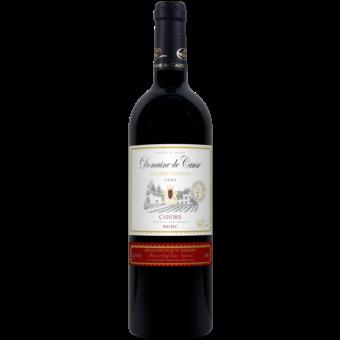
2009 Domaine de Causes La Lande Cavagnac

346806=

Domaine de Causes La Lande Cavagnac

France, Cahors

Wine Tasting Note:

Second opportunity to taste a French Malbec from its place of origin.  The best Argentine Malbecs are bigger and rounder than this, but I enjoyed the more classic approach as a counterpoint to the Argentine version… more acidity and tannins, less fruit and a lighter texture.  I would recommend this as a representative example of a different style of Malbec.

30 minute decant.  Deep violet tinted purple color. The nose is weak, mostly a menthol and alcohol character.  Fresh blackberry on the attack disappearing quickly and moving to black currant and tar on the mid-palate with a medium length bitter finish.  I enjoyed the mouth-filling tannins and medium-high acidity.  The texture started silky then quickly becomes watery.  The structure was good, but the balance was off.  Nevertheless, a good selection to pair with red meat and rich red sauce pastas.

Comments Off on 2009 Domaine de Causes La Lande Cavagnac

Filed under Cahors, French Wine, Malbec, Wine Tasting, Wine Tasting Notes

2014 Italian Wine Tasting Event

Location: Allesia’s Ristorante Italiano – Mesa, AZ

Tasted Saturday, November 22, 2014

INTRODUCTION

This is really a great little Italian Restaurant that could hold its own if you dropped it almost anywhere in the country. Jon is the friendliest of proprietors and is quite knowledgeable regarding Italian wines. He has a ridiculously good wine selection for such a small location.

For this event, he partnered with a wine distributor (Young’s Market) to offer a really fabulous Italian wine tasting event. Young’s brought two of their sales reps and the importer was present too. I was able to ask questions and take notes, but it was more for the public, than the trade… so, I couldn’t stay seated and evaluate the wines and record my impressions fully.

If you live in the area, enjoy Italian food and wine and haven’t stopped in, you are definitely missing an experience.

WINE FLIGHT 1 – DAILY DRINKERS (9 NOTES)

Italy, Tuscany, Toscana IGT

Galloni gave this a 91… He must really enjoy big, rich Chardonnay. I enjoyed the nice acidic backbone and the opulent mouth-feel. The aging on the lees added serious texture and body. This wine had a strong red apple nose and palate. The style of winemaking muted the freshness of the fruit. I enjoyed this for what it was, a nice expression of a chardonnay meant to stand on its own. The richness would make food pairings a bit more challenging.

Italy, Tuscany, Toscana IGT

Easy drinking red table wine. Nice balance and mouth-feel for an inexpensive wine. This red is made with a minimum of oak influence and the freshness of the fruit shines through as a result. The structure is just barely enough with medium tannins and medium-high acidity, but for $12 retail, this wine will accompany most all Italian fare without a hitch. The palate is dominated by a fruit-forward presentation of black and red cherry with a relatively short finish.

Italy, Piedmont, Asti, Barbera d’Asti Superiore

This wine continued to reinforce Alba as the premier Barbera producer. Barberas like this from Asti are much simpler and less complex. In Alba, Barbera transcends table wine. In Asti, Barbera table wine is what you get. Even the several Asti DOCG producers I have tasted, just aren’t in the same league. This is a very light and simple wine… to the point of uninteresting. Medium-low tannins and medium acidity for a weak backbone. Drink this now, it won’t last in the bottle more than a year, or two. Black and red cherry flavors on the palate, with a touch of plum. No finish. Works best as a medium quality table wine for pairing with lighter fare…

Italy, Umbria, Lago di Corbara

Slightly sweet, very simple wine, with poor structure. Not acidic enough for a table wine to accompany food. Not tannic enough to bottle-age and not interesting enough to drink on its own…

Italy, Tuscany, Chianti, Chianti Classico DOCG

Actually, a very typical chianti profile with sour red cherry, high tannins and high acidity… but I believe the bottle was flawed. Poor storage, or a leak in the cork. Either way, it was definitely oxidized. I certainly hope the wine was not intended to have that character…

Italy, Tuscany, Chianti, Chianti Rùfina

Nice, but unremarkable traditional Chianti. Slightly sour bright red cherry with black cherry overtones on the palate. High acidity and tannins for good structure, but very rustic. A bit thin. This could handle some bottle-age. Would be a good food wine for pairing with rich red sauces and red meat. If I was a bigger Chianti fan, I would give it another point for being very true to the regional profile.

Italy, Tuscany, Montalcino, Brunello di Montalcino

Every Italian wine tasting reinforces the impression… the best Italian Sangiovese is Brunello. I know purists will argue that Brunello is a sibling to Sangiovese, but genetic testing has shown otherwise. It IS Sangiovese. This area must be the perfect terroir for the grape, for the wines are just spectacular, if rather expensive. Fresh red and black cherry palate with a fantastic full mouth-feel. High acidity and high tannins make for a great backbone. The bigger mouth-feel makes the wine more approachable. This is a good example of a quality Brunello.

Italy, Tuscany, Montalcino, Brunello di Montalcino

Brooding black cherry palate, with strong bitter dark chocolate character. The big mouth-feel and more refined tannins of most Brunellos is missing here. The high acidity and rustic tannins do not make the wine very approachable now. Perhaps, this is just made in a more ageable style. I have tasted several similar Brunellos, but this is not my preferred profile.

Italy, Piedmont, Langhe, Barolo

Maybe I am just a Barolo purist and should have scored this a little higher. The character is very typical, with a red cherry and leather palate, but the wine is simple, lacking the complexity of higher priced Barolos. Decent QPR for a representative Barolo, but missing the good things I try to find that make it special, namely: a strong floral nose & palate and an herbal mint character. This wine had the typical unique Barolo tannins with high acidity, in keeping with this wine’s fantastic ageability.

WINE FLIGHT 2 – SUPER TUSCANS (7 NOTES)

Italy, Tuscany, Toscana IGT

Nose of black cherry and brown butter. The palate is fruit-forward and a touch sweet and the Petit Verdot in the blend adds some mouth-feel. The structure is a little weak, with only medium tannins and acidity. Definitely, a wine to drink within the next year, or two. It was a decent everyday drinker, but the touch of sweetness would not be my preference with food.

Italy, Tuscany, Bolgheri

One of those wines that for me, is difficult to score. The flavors were right up my alley, but the structure was missing a tannin backbone. Weak nose with some spice. A fruit forward palate with a mild dark chocolate that starts from the attack and is present through the finish. A lighter wine style with a beautiful cinnamon and clove character to the spice. Good high acidity, but only medium tannins and a nice long finish.

Italy, Tuscany, Toscana IGT

Young’s Market is the distributor in our area and was selling this through Allesia’s at $22/btl retail. For that price, an ageable wine like this is a pretty good deal. Had a typical Super Tuscan profile, with good structure and mouth-feel. High tannins and high acidity with a really nice apple pie spice character. Give this 3-5 years in the bottle and it will make an even bigger impression…

Italy, Tuscany, Toscana IGT

I was told Suckling gave this a 95! Ooops! Where did that come from? Yes, definitely speaks Super Tuscan. Just because it is representative, doesn’t make it a best in class wine. This is fruit-forward with good structure and decent balance. Will age well and improve in a 3-5 year time frame. Black cherry, dark chocolate, a bit thin, but a good finish… all the components of a solid Super Tuscan.

Italy, Tuscany, Maremma, Maremma Toscana

A very nice example of a Super Tuscan with some age on it already. Very similar profile to the Crognolo label from the same producer and vintage year (see my previous tasting note)… but this added a big, elegant mouth-feel. I am sure the five years of bottle age has contributed to the elegance of the wine. This is fruit-forward with good structure and decent balance. Will age well and improve. Has a black cherry and dark chocolate palate with a good finish… all the components of a solid Super Tuscan. Decent QPR for a bottle-aged Super Tuscan for people who aren’t willing to hold and wait.

Italy, Tuscany, Toscana IGT

Past vintages of this wine have been consistently good. This may be a slightly better year than average. Spicy, fruity nose. Fruit-forward palate of black cherry and plum. Medium-high acidity and the tannins were high, but accessible, with a character that fills the mouth. Perhaps a touch too fruity for a top notch food wine, but the great structure and balance will provide a nice experience on its own. This is wine is one of my faves for the price.

Italy, Tuscany, Bolgheri, Bolgheri Sassicaia

One of my absolute favorite wines in the world. This vintage does not disappoint again. A young wine, but it is a touch more accessible than others in the past. I must extol its virtues now… again. Beautiful nose of fruit and spice. The palate is fruit-forward but the fruit is not over-whelming. This has the perfect balance of acidity, tannins, alcohol and texture. A food wine AND excellent on its own. Just a classically elegant wine that can be drunk now, or bottle-aged to add nuance and approachability. Is your mouth watering? Mine is. The retail is listed at $200/btl at the local shop… is the QPR right? Well, what can you compare this to? I am not a fan of spending $200 on a bottle of wine. Although in this case, how do you even put that question in context?

WINE FLIGHT 3 – SICILIAN WINES (5 NOTES)

Italy, Sardinia, Isola dei Nuraghi IGT

Another wine that was difficult for me to score. I love Carignan when it is done well. This particular wine is to be experienced, not tasted. The silky mouth-feel is way past its price point. Though, the structure is missing balance. Decent acidity and only medium tannins leave a hole… that I could get past, others may not. I am a sucker for this kind of profile. Fruit forward spicy palate with black cherry, blackberry and plum. A medium long finish of mild dark chocolate. This is definitely better on its own, than with food.

Italy, Sicily, Sicilia IGT

Not your typical Nero d’Avola. I am familiar with this varietal as a dependable, low-cost, straight-forward table wine that consistently delivers good QPR. This wine has complex fruit flavors, with red, blue and black fruits. The backbone was decent, but the wine doesn’t fill your mouth like other examples of this varietal. A lightly spicy, chocolate character complements the entire palate. This wine has both more than I expected… and less. Sorry, I know this does not convey the tasting well. I would like to try this wine again, when I have more time to evaluate it, rather than at a tasting event.

Italy, Sicily, Noto

I was told Suckling gave this a 93. Apparently, his palate and mine are not close on Italian wines. There was significant complexity on the nose and palate, but the wine was too rich. The nose had a beautiful herbal mint undertone that I enjoyed. Either this wine had been oaked too long, or an extended maceration imparted a strong brown butter flavor. The wine has high acidity and only medium tannins. With more structure, it may have stood-up to the richness better. This may be one of those personal preference wines. Either a love it, or hate it kind of experience.

Italy, Sicily, Sicilia IGT

This Syrah is all wrong. No mouth-feel, poor structure, very light and the fruit is all red. It doesn’t work as a cool-climate Syrah either. This doesn’t fit into any category of Syrah I have tasted. I am told Wine Enthusiast gave this a 90. Whoa there, this is so NOT varietally correct for a 100% Syrah.

Italy, Sicily, Sicilia IGT

Probably another year, or two left in the drinking window for this one. This has a touch too much oak for my taste, but nevertheless a very good wine.  A big black cherry palate with lots of spicy character. Nice structure with medium-high acidity & tannins and is well balanced. This flavor profile leans toward cherry too much for this kind of blend, but still an enjoyable wine.

Comments Off on 2014 Italian Wine Tasting Event

Filed under Cabernet Sauvignon, Chardonnay, Italian Wine, Nebbiolo, Piedmonte, Restaurant, Restaurant Review, Sangiovese, Super Tuscan Blend, Syrah/Shiraz, Toscana, Wine Education, Wine Tasting, Wine Tasting Notes