Tag Archives: Wine Tasting

Why Holding a Bottle of Wine is Worth the Wait…

Wait

How Long Does the Average Person Hold a Bottle of Wine?

There is a significant amount of conflicting survey data on this topic, but erring on the side of caution… well over 90% of all wine in the U.S. is drunk within a week of purchase. Since more red wine is drunk than white in the U.S. and Cabernet Sauvignon is the most popular varietal, it is a shame more wine enthusiasts don’t experiment with aging at least a few bottles.

I have seen other figures thrown around that affect this thinking, i.e. 95% of all wine is made to drink within a year of purchase. As a percentage of all wine produced, this may be close to the truth, but as a percentage of all wine labels, it is significantly off the mark. As usual, the 80/20 rule roughly applies here… much less than 20% of the companies producing wine in the U.S. produce over 80% of the wine by volume, but this still leaves plenty of room for the many thousands of wineries producing under 10,000 cases per year that comprise a large percentage of the selection we see at the local wine shop, or grocery store.

So, many of the red wine labels you see at your local wine retailer over (let’s say) $15 USD/btl are likely to be candidates for at least 3-5 years of bottle age.

The Dividing Line

Why should wine consumers care? Who should be holding wine? Think of it these ways:

  • If you are a foodie, drink wine with meals and prefer wine that accompanies a dish well…
  • If you pay attention to different varietals, vintages and/or wine regions, you obviously recognize and appreciate different wine profiles…
  • If you recognize structure in wine (tannin, acidity, phenolics)…
  • If poorly balanced, bad wine gives you a headache and you try to be aware…
  • If texture (mouth-feel) in wine (silky, soft, plush, velvetty characteristics) is something you seek out…

You should own at least a 30 bottle wine fridge!

What Makes Aged Wines More Enjoyable

When the appropriate wines are chosen, age improves wine. Which wines are appropriate for aging? Any wine with multiple structural components… enough tannin (cotton feeling on gums), acidity (stimulates saliva) , phenolics (depth of flavor), fruit and/or sweetness (sugar) is a potential candidate. Most of us can usually identify these general categories. Though, the additional analysis that can make a significant difference is the balance between these components. Here is a brief look at how each of these components may evolve in an aged wine:

Sweetness (sugar)

  • Can add a nutty character to aged whites such as Sauternes, or Sparkling and an apricot character to German Riesling
  • Improve viscosity (richness/thickness) in all sweet wines

Alcohol

Percentage of alcohol never changes in the life of a bottle of wine, but it can become more integrated and less noticeable. Although, I have rarely seen it.

Phenolics (depth of flavor)

Working with wines that are heavily extracted, or made from over-ripe fruit is hit, or miss for a winemaker. This is an area where age can have a dramatic effect, sometimes adding layers of textures or flavors. A higher level of phenolics often accompanies over-ripe fruit, which can be lower in acidity. This lower level can effect the “vibrancy” of the wine, in other words – eliminating freshness, allowing candied flavors and eliminating “bite”.

Fruit

In reasonably balanced wines (get into that later), fruit flavors almost always diminish over time. Most of the exceptions to this rule have come from California in my experience, but in general, this rule does apply. I drank a 1993 Beringer Reserve Cab Sauv last year that was wonderfully fruit-forward after 22 years in the bottle!

Acidity

High acidity in a wine is critical to successful aging, but winemakers walk a fine line with this component:

  • Too much acidity and the wine is sharp, unpleasant and feels like it is burning a hole in your stomach
  • Too little and wine tastes “flabby”, grape-juice-like and will not pair with food

Tannin

This is the astringent character found in red wines and the primary change agent. Tannin can be harsh, grainy, fine, mouth-filling, etc. The character of tannin in wine can be affected by varietal type, terroir, vintage variation, the amount of stems and skins used in the maceration stage and more. Red wines with no tannin rarely age well and the maturing of this component is the key to enjoying soft, silky, round, or velvetty red wines when aged.

“Balance”

Determining balance is one of the KEY evaluations made by a wine professional. Evaluating young, fine wines upon release for potential ageability requires experience to determine whether to expect greatness, or just another so-so vintage… but that shouldn’t stop the average wine enthusiast. The average consumer rarely has the opportunity to evaluate $100 – $1,000 USD/btl wine. The decision should be simply: do you think this wine will taste better in five years? Often, when faced with this simpler evaluation, my answer is YES!

The most common, but misguided statement in the wine industry is: “Give this wine time in the bottle. It will come together!” This is rarely the case.  A wine may “close”, or “open” over time (release, or hide its character), but if it is too sweet, or has too much acidity upon release, time in the bottle is unlikely to change that. The one exception is tannin, which will always soften over time. This is due to a chemical reaction that creates a sediment in the bottle that can be filtered out when poured. Always filter, when pouring a red wine older than five years. The sediment resulting from resolved tannin is not pleasant to drink.

My Wine Cellar and Yours

I store over 500 bottles of wine in environmentally controlled cellars. I rarely drink wine younger than five years, unless I am dining out. I now find it difficult to drink both:

  • Harsh, young wines
  • Easy drinking – flabby, no tannin, no acid wines

Try setting aside a few better bottles for special occasions. Use the information above to choose the right wines and enjoy unique, amazing wines. As you gain experience, you will find age can improve wine you never considered for aging, like Riesling, Chardonnay, Sauternes and many sparkling wines (especially Champagne).

I wish you much good wine shared with many good friends!

“Age appears best in four things: old wood to burn, old wine to drink, old friends to trust and old authors to read.” ― Francis Bacon

1 Comment

Filed under Wine Cellar, Wine Collecting, Wine Education, Wine Tasting

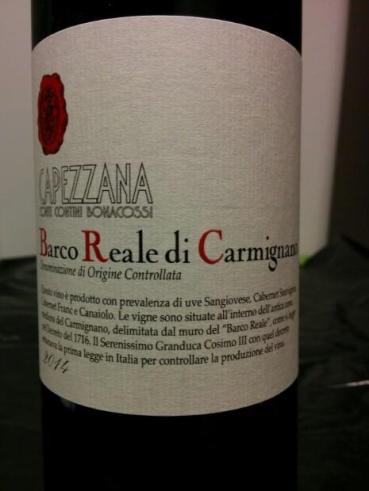
Capezzana Barco Reale di Carmignano

720070

2014 Capezzana Barco Reale di Carmignano DOC

Sangiovese Blend (80% Sangiovese, 20% Cabernet Sauvignon)

Carmignano, Italy

Tasting Note:

Walking through the store today and saw this wine. Have not tasted a wine from the Carmignano region in Italy and was curious. The area has an interesting winemaking history dating back centuries. I had success with the same selection process years ago, when I tried my first Anglianico from the Vulture region. Unfortunately, this was not as pleasant a surprise. The wine is a very good table wine meant to accompany food. At the $14.99 USD/btl price, it was priced just about right… The nose is weak with red & black fruits, leather and alcohol. The palate is barely fruit forward, the red fruit being sour raspberry and the black is blackberry and black currant. The mid-palate has some leather and there is a medium length bitter chocolate finish. The wine is a bit thin & watery, with medium acidity and medium tannins. This is fairly well balanced for table wine quality, potentially pairing well with pork chops. Would not go out of my way to find this, but would not turn it down if served with a meal.

Comments Off on Capezzana Barco Reale di Carmignano

Filed under Italian Wine, Toscana, Wine Tasting, Wine Tasting Notes

2009 Tobin James Zinfandel Blue Moon Reserve

292538

2009 Tobin James Zinfandel Blue Moon Reserve

Paso Robles AVA, California

Tasting Note:

This wine is improving with age. You don’t often find a zinfandel that can hold up to much bottle age, maybe Seghesio, Ridge… This was a surprise. Before we start, this is not an Old World influenced red wine. It is a California bomb! Completely fruit forward nose of dried red and blue fruits with alcohol and mineral notes. The fruit explodes on the palate. After seven years in the bottle, this zinfandel is very uncommon. The palate is all dried fruit: raisin, prune, boysenberry, blueberry… not as much sweet, as intensely fruity. Touch of dark chocolate on the mid-palate and a very long fruity finish. Silky, medium-low tannins still, with a beautiful mouth-filling texture. The high alcohol is evident, but not overpowering. Not a wine for food. Enjoy as an apertif, or digestiv. One of the most well-made California fruit-bomb style wines I have ever tasted!

We purchased this wine during a Tobin James special event at the winery. Their reserve wines are not easy to find, but worth searching out. The general release wine reflects broader market ambitions and is just average for quality and value, so don’t judge the reserve wines by what you may find on the shelf at your wine retailer!

1 Comment

Filed under Paso Robles, U.S. Wines by Region, Wine Tasting, Wine Tasting Notes, Zinfandel

Old World Wine Producers and the “Mystery” of New World Flavor Profiles

Wine Old-New

Last night I joined a group of consumers for a tasting of wines from Spain & Portugal. Roughly twenty wines were presented at price points from $10/btl to $25/btl. Tasting through the wines, all I could think was: “This is the most ridiculous tasting I have ever attended”! Not that the venue was awful. or that the attendants were rude, but it was the wine itself that had me shaking my head.

What is going on? Virtually all of these wines were from Spanish & Portuguese producers trying to make New World style blends. The classic regions were represented: Ribiero del Duero, Rioja, Toro, Duoro for reds and Rias Baixas and Vinho Verde for whites. Granted, I did not recognize these producers, but if classic Old World regions are going to embark on such a strange path, they need some help. There were all sorts of blends with the traditional Tempranillo, Grenache, Mourvedre (Monastrell) and Albarino mixed with Cab Sauv, Merlot, Cab Franc, Alicante, Macabeo, etc. Ugh! These producers need to import wine consultants from the Rhone, where blends are their forte! What junk!

Spanish Wine Classifications

Then out of curiosity, I looked for the DO (Denominacion de Origen) – printed right there on the label! The issue here is not that they were blended wines, it is the amazingly poor winemaking in play here, BECAUSE they were trying to copy New World styles. Oh God, please don’t tell me wineries in Europe are going to start trying to guess at the American palate and alter their classic wine styles to appeal to our market! I don’t want all wine to taste alike AND these traditional Old World wine styles are made that way for a reason: to accompany local cuisine. Local foods always pair well with local wines in Europe. Think about it. They have had generations to get it right.

Shouldn’t Wine Taste Good?

OK, I am done with my rant. This wine Op-Ed piece was not just about wine styles really… if these wineries are going to start making unconventional blends, how about they make them taste good?

1 Comment

Filed under Wine Industry, Wine Tasting, Wine Tasting Notes, Wines from Spain

Getting into a Winemaker’s Head, After One Tasting?

In YOur HEAD cartoon

I am about to embark on a dangerous journey… trying to understand a winemaker’s thinking after one tasting session. Probably presumptuous, but I think a fun exercise for the imagination.

California, Livermore Valley AVA

This last week I stopped into a highly regarded producer from this wine growing area. My first time visiting the Livermore area. The only wine I had previously tasted from this AVA was a sub $20 Cab Sauv from Concannon and it was not pleasant. Well, adventure feeds the soul, right?

Steven Kent Winery

An ineresting stop, because it was clear that the winemaker had a vision for the wine he was producing. So here are my impressions of the winemaking strategy and why:

Work with What You Got

Guess #1 – This area seems to have a cooler climate than Napa Valley and the soil is more fertile. You can taste it in the wine: less alcohol, less phenolic development, a little vegetal in flavor, more red (than black) fruit and thinner viscosity. So, the first decision: what style of wine do you make from this fruit? These wines were all trying to be “Old World” with a new world twist: very fruit forward, attempting balance (albeit without much structure), little to no new oak, no American Oak, and keep the alcohol low (no chaptalizing). This winemaker fully embraced this approach and it appeared to be a clear decision in all the wines I tasted.

Consumers Want Less Expensive Wine to be Easy Drinking

Guess #2: This isn’t my opinion, but it is clearly this winemaker’s view. Every general release wine I tasted was very fruit forward, had little to no tannins and medium (or less) acidity. This winemaker clearly believes this is what sells at this price.  Personally, while I understand many consumers enjoy this style… I am sorry, I just can’t drink it. I would rather have a wine cooler. You just can not drink this stuff with food…

Silky Soft Textures Sell Wine

Guess #3: This winemaker experiments heavily with aging red wines on the lees. It is the only possible answer for how smooth these reds are… and by the way, my favorite style component from this winemaker (another common Old World technique). It really makes an impression. It actually makes the the general release wines even easier to drink (if that is possible). Every wine I tasted was trying to be soft…

Only Collectors and Educated Wine Consumers Enjoy Wine with Structure

Guess #4: So, when the tasting room manager discovered I am a trained Somm, they broke out the wine club selections: reserves and single vineyard wines. These wines had structure: with high acidity and medium (or higher) tannins. Honestly, I was a little offended when I realized what was going on. I guess educated wine buyers are all rich… just because you are allowing more contact with the skins and including some stems in the maceration and ferment, doesn’t mean the process is more expensive. These red wines spent 18-24 months aging in the barrel, just like most good reds.

Conclusions

As it turned out, I enjoyed the tasting! It is fun imagining you can get into the winemakers head. You don’t normally find such clearly defined characteristics in a winery’s breadth of a single vintage. The club wines were good, but they weren’t big on value… These wines were fruit forward, complex, structured and very silky. One word of caution, before deciding to seek out this producer, you must settle on a preference for red fruit flavors in your wine. There wasn’t much in the way of blackberry, plum, or black currant flavors to be found.

Wine Tasting Notes

NV La Ventana Barbera, Livermore Valley – Retail $36

Nice nose of red cherry and cinammon. All bright, fresh red cherry on the palate. The mouthfeel was a touch creamy. The tannins were low and the acidity was medium. A nice fruity table wine that is meant to drink before dinner. It had no over-whelming characteristics, therefore a balanced feel, but virtually no structure. There was a touch of dark chocolate on a short finish.

2010 Pinot Noir, El Coro Vineyard, Sonoma Coast – Retail $48

The nose was of red hard candy. The palate was cough syrup and spice. This wine did not taste like a cool climate Pinot (Sonoma Coast). It is so fruity, I would have guessed Carneros, if tasting blind. Low tannins and medium acidity. ** UPDATE** 3/6/16 – Upon researching this vineyard, I found it is actually in Carneros! BAM! Fun to nail it! C’mon they need to train their people…

2012 Lot 29 Red Blend, Livermore Valley (Bordeaux Blend) – Retail $36

Fresh cherry on the nose. Palate is of brown butter, then red cherry following. There are medium tannins and high acidity. Too much oak… and it is strange to taste such strong cherry flavors in a Bordeaux blend.

2013 Cabernet Franc, Livermore Valley – Retail $48

Nose of red cherry, herbal mint and cinnamon. The palate has red and black cherry and allspice flavors. Medium-high elegant tannins and high acidity. The wine has a silky mouth-feel and a long spicy finish. My favorite wine of the tasting. Based on the other wines tasted in Livermore Valley, this might be a good location for cool-climate Cab Franc…

2013 Cabernet Sauvignon Lencioni Vineyard, Livermore Valley – Retail $65

The winemaker had some guts here… this wine had a slightly vegetal nose. I can appreciate the courage there. I have tasted many Cabs that were a touch vegetal and amazing! The palate was of black cherry and blackberry with cinammon and a touch of butter on the finish. The wine had high tannins and high acidity. The mouth-feel was nice and silky.

2014 Cabernet Port (fortified with brandy)

I was told this was a tawny style port… ooops! Not even close. A heavy medicinal nose. Tasted exactly like red cherry cough syrup with herbs and mint added. the fruit was too fresh to be a traditional tawny port. Definitely complex, but not really enjoyable.


4 Comments

Filed under Wine Tasting

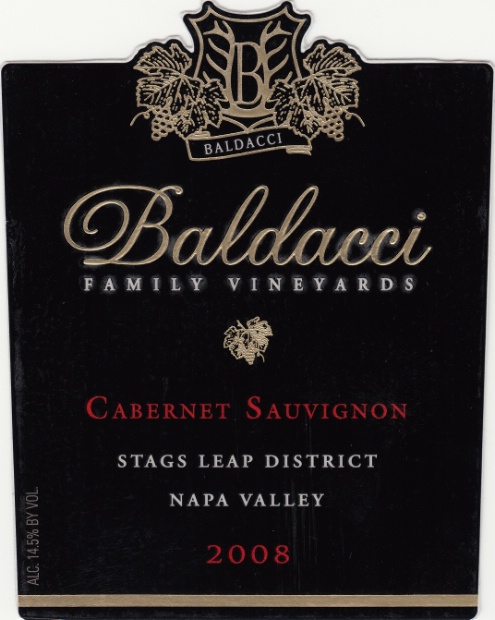
Baldacci Family Vineyards Cabernet Sauvignon Stags Leap

Baldacci

Baldacci Family Vineyards

Black Label Cabernet Sauvignon

Stags Leap District, Napa Valley

Tasting Note:

Beautiful Napa Cab in the middle of its drinking window! Drinking Baldacci Stags Leap Cabs over the last 20 years, I am struck by how they always over-deliver at their price. This bottle cost $46 in 2010 and is drinking like a $70+ Napa Cab! Blackberry and black currant on the nose with tar and leather. Still fruit-forward after 8 years of aging, with blackberry and black currant in front, transitioning to a mid-palate of dark chocolate, leather, underbrush and tar. The wine has a lengthy, slightly hot finish. Gorgeous rich mouth-feel, full and sensuous. The tannins have resolved well and are just under the surface. The acidity is high, but this paired perfectly with a rib-eye steak. Without food, the acidity would have been a bit much. The signature Cab character of graphite and tobacco are missing, but regardless, my wife and I really enjoyed this bottle with steaks for dinner!

Comments Off on Baldacci Family Vineyards Cabernet Sauvignon Stags Leap

Filed under Cabernet Sauvignon, Napa Valley, Stags Leap District, Wine by Varietal, Wine Tasting, Wine Tasting Notes

Italian Wine Tasting

venice pic

Wine Tasting

Alessia’s Italian Ristorante with Vinifera Imports

Mesa, AZ

I enjoy Alessia’s and it had been several months since I had visited last. So, with my wife busy and a free evening on the horizon, I decided to grab a bite and enjoy a wine tasting event. John Carr (Owner) has a good palate and a pretty fair depth of Italian wine knowledge and his wife Shari is a killer chef. If you’re in the East Valley of the Phoenix Metro, definitely make it a point to stop by. The experience won’t disappoint.

Vinifera is not my favorite Italian Wine Importer, but they have several labels I enjoy. I didn’t know the wines being tasted that night in advance, so I was hoping to be surprised.

Wine Tasting Notes

Barberani Ovieto Castagnolo 2014 (white blend)

Most enjoyable wine of the evening. Nose of lemon curd and herbs. Palate was of rich lemon meringue and a touch of spice. Tremendous coating mouth-feel – this wine had spent a substantial amount of time on the lees. High acidity, but balanced enough not to make it over-bearing without food. Well done white wine, that could be drunk on its own, or paired well with fish and pasta in white cream sauce. At $16/btl retail, a good value.

Cascina Chicco Barbera d’Alba Granera Alta 2013

Most disappointing wine of the evening. It was very much a rustic Old World style Barbera and not my favorite approach with this varietal. This was a food wine only. Barbera is capable of so much more, when in deft hands such as Vajra. Black cherry and alcohol on the nose. Completely over-oaked. Palate is not fruit-forward. In front, you get brown butter and smoke transitioning to sour black cherry. Poor, watery mouth-feel and medium-high tannins. Long finish of brown butter, if you like that sort of thing. At $22/btl retail, I wouldn’t rush out and grab this wine.

Fontodi Chianti Classico 2010

Fontodi is an old Italian producer with a long history… and that traditional approach shows. 2010 was a great year in Tuscany for wine and I was hoping for something exceptional. Instead, it was very average. A quality Chianti, but traditional and unexceptional. Nose of red cherry, mushrooms, bramble and rubbing alcohol. Slightly sour red cherry and menthol on the palate. Very high tannins. Medium mouth-feel and high acidity. Short to medium finish. Would be a great pairing with red meat and pasta with red sauce. At $40/btl retail a decent value.

Fontodi Chianti Classico Vigna del Sorbo Riserva 2008

Best red wine of the evening. Very weak nose and definitely needed a little time to open. The palate was more complex than the other wines that evening. Fruit forward with black cherry and a touch of black currant, mushroom, leather and bramble on the mid-palate, with a weak bitter chocolate finish. Medium high tannins and high acidity. Well-balanced and the best mouth-feel of the reds that night. I enjoyed this wine and it is just entering its drinking window, 2016-2021. At $70/btl retail, I would pick a well-priced quality Brunello first.

Valdicava Brunello di Montalcino 2010

Unless you have a nice cellar and ten more years to wait, stay away from this wine. Black fruit and menthol on the nose. Very high acidity and very, very high rustic tannins. Maybe a touch fruit forward, but the acidity and tannins overwhelm everything. Impossible to assess much else. This is an Old World Chianti-style Brunello. All the things I love about Brunello are missing: good mouth-feel, balance, elegance… This wine should not have been bottled as Brunello. The grapes may have originated in a vineyard there, but the style has Chianti written all over it and at $135/btl retail, forget it.

Comments Off on Italian Wine Tasting

Filed under Italian Wine, Restaurant, Toscana, Wine Tasting, Wine Tasting Notes

Winemaker Interview – Billo Naravane of Rasa Vineyards

Please follow my winemaker interview series! You can find this and other interviews at the following link:


Winemaker Interview Series – Billo Naravane


Comments Off on Winemaker Interview – Billo Naravane of Rasa Vineyards

Filed under Cool Climate Wine, Walla Walla Valley, Wine Industry, Wine Tasting, Winemaker Interview

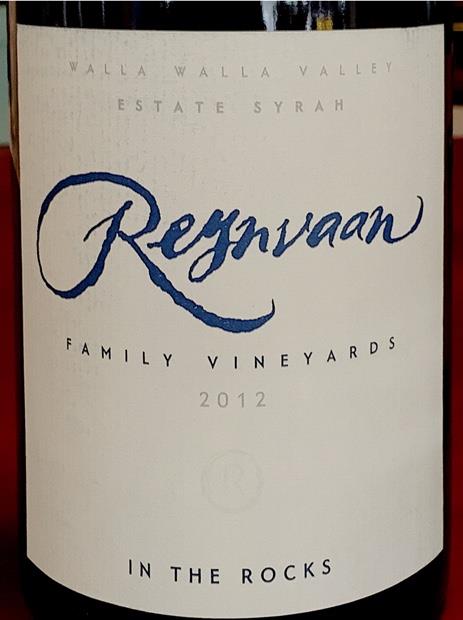
2012 Reynvaan Syrah In the Rocks

Reynvaan Pic


Reynvaan Family Vineyards – Walla Walla, Washington

Walla Walla Valley AVA

Wine Tasting Note

Do you enjoy Syrah from the Northern Rhone region? Cote Rotie AOC perhaps?

If you have enjoyed a quality bottle from the Northern Rhone and added it to your “wines of distinction” list (like I have) seek out a bottle of Reynvaan Syrah and experience a domestic producer that understands this style well. Everything about the Reynvaan wine speaks “Northern Rhone”… meatiness, earthy, floral. Many casual wine drinkers I have introduced to this style have had a difficult time wrapping their heads around it. My wife tasted this wine tonight and immediately said, “this is good… wait, I don’t think I like it.” This is that kind of wine – soft, supple, appealing… until the complexity shows on the palate… and you wonder, “is wine supposed to taste like this?”

Tasting this wine in the first hour after opening is a shame… the real wine doesn’t reveal itself and open until the 3rd and 4th hour. Tasting note after 4 hours open:

The nose carries strong raw meat aromas, with blackberry and mulberry fruit, floral violets and a touch of nail polish. The wine is fruit forward on the palate with blackberry and black currant, has a dark chocolate mid-palate and a floral violet with oily tar finish. After four hours, some of the freshness of the fruit is lost, but the classic Northern Rhone profile is revealed… that oily texture and tar finish. Wow, for 25% – 50% less than Cote Rotie, this wine can be acquired in the U.S. The wine has medium-high acidity, but only medium tannins. The lack of tannins throws the balance off a bit, but the plush, oily texture is right on. This is a well-made wine from a vineyard managed to produce fruit to match this style. The evolution of flavors and textures in the last four hours leads me to believe you should give this some time in the bottle to realize its true potential: peak drinking window 2017-2018. This is not a wine I would choose to experiment with for extended bottle aging.

Well done! If Matt Reynvaan could have squeezed a bit more tannins from the skins/stems, this would have been world class, at the absolute pinnacle of wines made in this style.

Comments Off on 2012 Reynvaan Syrah In the Rocks

Filed under Cool Climate Wine, Syrah/Shiraz, Walla Walla Valley, Wine Tasting, Wine Tasting Notes

A Tale of Two Red Cities

In the USA, Walla Walla Valley AVA is fast approaching premier status as a red wine producing region. The highest accolades are coming from Merlots and Syrahs, but the area produces well-made Bordeaux Blends too. From a critic’s perspective, this area is a serious alternative to the Napa Valley region… especially, if you prefer the Napa wines produced before the mid 90’s. Now, there is a choice between two premium “red” producing cities in the U.S.

The over-arching theme in Walla Walla is the pursuit of Old World styles of Cabernet Sauvignon, Merlot and Syrah. If you enjoy the popular New World style of heavily-oaked, fruity Cabs coming from Napa (like Caymus and Silver Oak) very few of these Walla Walla wines will find their way into your cellar. Syrah aside, I have chosen three of the oldest producers in Walla Walla as effective examples of the diverse styles of Bordeaux Blends that represent this growing region: Walla Walla Vintners, Seven Hills Winery and L’Ecole #41. I visited all three last month and was fortunate enough to do a deep-dive with each.

WWV Pic

Walla Walla Vintners

The flavor profile across all releases at Walla Walla Vintners (WWV) had the most dissimilar flavor profile in the area. I met with Bill Von Metzger the winemaker and we discussed the winery founded in 1995 in depth.  Their vineyards (and immediate neighboring sites) located at the Eastern edge of the valley contain the only dry-farmed vineyards I was able to find in this AVA. They originally prepared these estate vineyards for irrigation, but have yet to experience a growing season requiring the additional water. Although, if the Washington drought continues, they expect this may change next year. The WWV 2015 vintage validated once again the impact of dry-farming on my palate. All wines tasted tended to be more concentrated and textured, perhaps squeezing more out of the terroir.

Bill is a locally educated and trained winemaker. In my experience, this can be an impediment to good winemaking. Exposure to a broad sampling of world winemaking styles tends to develop better winemakers. Although in this case, Bill transcends his background… I think, primarily due to his keen curiosity and desire to experiment. I thought Bill showed a deft hand at pursuing the Napa Valley style… at half the price. Of my twenty (or so) tasting appointments in the area, this was the only winery embracing the challenge and successfully producing this style in a cooler Walla Walla climate.

If you enjoy Napa Cabs, try these wines. They may not quite reach the level of the premium Napa producers, but my goodness, not at $75+/btl either. The quality is good and the value is undeniable.

SHW pic

Seven Hills Winery

Seven Hills is the preeminent Old World French Bordeaux style producer in Walla Walla and one of the first wineries founded in the area in 1988. I met with Erik McLaughlin, an executive and manager at the winery. Erik and I discussed the history of wine growing in the region, their philosophy and the resulting growth. Seven Hills produces wines that compare very favorably to Bordeaux labels. All their wines have a lighter, sometimes silky texture with a good acidic and tannic backbone. Refined, balanced and built for aging, but approachable enough when young to be an excellent companion to a steak dinner. The tasting room is in a very urban setting at the winery, with the atmosphere from the 100+ year old building enhancing the tasting experience.

I talked briefly to Casey McLellan the winemaker and founder and I heard from both of them their total commitment to this wine style, regardless of the popularity of New World style California wines over the last decade. A great story and I believe a good business decision. These wines are some of the best of what I call “restaurant style” wines, made to accompany food and at the right price to be fairly affordable after the three tier distribution system delivers it.

If you enjoy red wines originating in Bordeaux France, try these wines. Again, these do not quite reach the level of premium Bordeaux producers, but comparable quality is sold at half the price (or less) of their Old World competitors.

Schoolhouse photo

L’Ecole #41

L’Ecole is the most notable example of a winery in the region that best walks the fence between New & Old World styles. Founded in 1983 in an abandoned school house, they have grown substantially into a large commercial winery. I have been drinking their wines since the early 2000’s and do miss the hometown, small business atmosphere from those early days. Is it OK to be nostalgic for the old building facade, before the face lift? Then again, I also preferred the previous cute label too. Yes, (begrudgingly) I understand the idea – “Time and Tide stops for no man”. I met with Ben Dimitri the tasting room manager and we talked about L’Ecole history and past vintages.

It was interesting to discuss the story of the 2004 vintage in Walla Walla. It was the coldest growing season in memory for the area and few local vineyards were able to produce ripe fruit at harvest. 10+ years ago, Washington State was still a fledgling wine region and the largest producer in the state (Chateau St. Michelle) offered the early Walla Walla producers the opportunity to source fruit from their warmer Columbia Valley vineyard locations. What a generous and smart move…  missing a vintage in those early years would have seriously hurt the local industry and slowed their momentum in the market. The topic arose, because I mentioned enjoying a bottle of 2004 Ferguson (lost in my cellar somehow) last year. The bottle handled the 10 years of age well, but was at the outside edge of its drinking window.

If you enjoy red wines originating in Bordeaux France, but would prefer an easier drinking more approachable style… L’Ecole is your ticket. Once again, think half the price.

Diversity and Value

If you notice, there are two common themes here: diversity and value. Try these Walla Walla wines. If you are more than an occasional, casual wine drinker in particular, seek them out. These can easily become your choice for the value section of your cellar.

Wine Tourism

This area has a long way to go as a wine destination, but it was significantly more welcoming than my last visit seven years ago. Premier sous chefs around the country looking to venture out and start a premium cuisine restaurant, please consider Walla Walla. A well-run, properly promoted gourmet restaurant will succeed here, without the competition you would find in other top wine regions. Currently, the food is only slightly better than average, even at expensive establishments. With all the fresh fruit and veggies grown locally, this would be a perfect location for a farm-to-table concept. Producing world-class wines right in their backyard, Walla Walla has to be the next wine destination to hit the foodie scene. I look forward to my next visit and enjoying a much more vibrant restaurant scene.

Walla Walla Premium Bordeaux Style Producers

Leonetti Cellars and Woodward Canyon Winery are the two oldest wineries in the Walla Walla AVA. I have tasted their wines and they are excellent, but priced to match, or exceed their Bordeaux and Napa competitors. These wines are every bit as good, but I find it hard to see the value. Frankly, I would rather drink the established producers I know from Bordeaux and Napa, with much larger production and greater availability. This post was meant to highlight the value in Walla Walla. These producers do not fit into that category.

Comments Off on A Tale of Two Red Cities

Filed under Bordeaux/Meritage Blend, Cool Climate Wine, U.S. Wines by Region, Walla Walla Valley, Wine by Varietal, Wine Tasting, Wine Travel