Tag Archives: California

2014 Napa–Sonoma Winemaking Trends

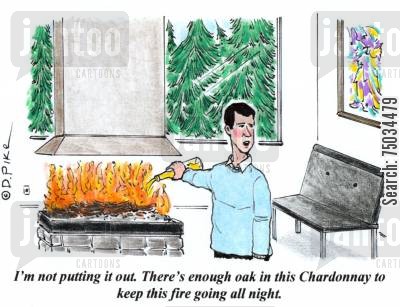
'I'm not putting it out. There's enough oak in this Chardonnay to keep this fire going all night.'

Source Material

I have interviewed 12 winemakers from the area by phone and in-person over the past few months.  Many have been from very well-known, high-profile producers. The material has provided a few new perspectives.  Some of these observations may only apply to estate wineries where there is more control over wine growing strategies, while others are specific to the winemaking.  I will not compare individual winemakers, or wineries.  It would be an injustice to each of them.  Although, I will be making an effort to tell each of their stories in separate pieces later.

Recent Winemaking Trends in Premium Wines

More Block Harvesting and Corresponding Small Lot Fermentation

I am running into this strategy at more estate wineries and if they are not already doing it, they are thinking about it.  Separately fermenting smaller, individually harvested, vineyard lots is happening more in this region than ever before.  Wineries are making a major investment in large numbers of smaller fermentation tanks, moving away from the full harvest approach and much larger tanks.  This trend is allowing winemakers to more effectively capture the individual character of fruit grown within differing micro-terroirs in individually fermented batch lots used for later blending.

Impact on the Wine –  Improved complexity and structure. Isolating individual characteristics from the fruit to bring a greater sense of unique “place” to the wine.

Winemakers Exerting Greater Influence on Viticulture

Estate Winemakers are insisting on more input into the decisions in the vineyard.  They are investigating different micro-climates and soil types on a much smaller scale than ever before.  This trend is increasing their influence with viticultural decisions that affect the final product such as:  separate farming and harvesting of individual vineyard blocks, row orientation, irrigation and pruning strategies (or lack of), etc.

Impact on the Wine – Better planning to accommodate vintage variation.  Ability to experiment with vineyard practices that can compliment the style of wine being made.

Varying the Harvest Timing with Small Block Harvesting

This is a bit controversial, but I am hearing it being discussed more.  Harvest timing is one of the major decisions affecting the wine.  It can effect tannins, acidity and phenolics… blending individual lots harvested at different times can change many characteristics of the final product, for example:

  • Tannins – Earlier harvest can make tannins more rustic.  Also, the ripeness of the pips can have a huge impact on the texture of the tannins (dusty, grainy, rounder, etc.).
  • Acidity – Earlier harvest can often provide increased acidity.
  • Phenolics – This is the touchy-feely area of this practice.  Identifying the preferred level of phenolic development is as much art, as science, but there is no doubt ripeness affects this category too.
  • Sugar – Harvest timing will effect the amount of sugars in the juice.

Impact on the Wine – Virtually all aspects of the wine’s character are potentially affected by this.

Less Interaction with the Wine During Production

This philosophy is leading to experimentation. Here are a few techniques that are being used, or discussed more frequently:

  • More wineries are moving to automated pump-over closed tank fermentation, versus open container punch-down.  Some industry folk say punch-down “shocks” the wine.  I have been paying closer attention to this in the past year, after seeing its widespread use during a trip to Italian wine country last year.
  • Lots of discussion going on regarding the need for extended cold-soak prior to ferment to extract color.
  • More natural yeast fermentation, instead of inoculation.
  • Lighter pressing of the fruit. One winemaker talked of just using gravity to press the first-run juice.
  • Skipping removal of the lees after ferment and waiting until a later date to separate the wine.
  • Controlling temperature to slow down the duration of the ferment.
  • Less fining and filtering, which reduces the amount of pumping and moving of the wine.

Impact on the Wine – The intangibles seem to be most affected by this approach.  These techniques may soften the attack of the wine, add elegance and affect mouth-feel.

Extended Maceration for Red Wine

This relates to extending the contact of the wine with the skins and sometimes the lees and/or stems. I actually spoke to one winemaker that talked of 60 days for ferment and maceration.  The more traditional thinking is 10-15 days…  This is expensive for wineries.  It requires either investment in more fermentation tanks, or reducing capacity for production.  Several winemakers spoke of wanting to experiment with this for whites too.

Impact on the Wine – Differing opinions on this, but for my palate, it changes the character of the tannins substantially and at the same time adds complexity.  I am not sure there is more extraction, but it definitely affects the texture.

Whole Cluster Fermentation for Red Wine

This technique requires using the whole grape cluster (stems and all) for the ferment, rather than the usual de-stemmed berries.  Almost all winemakers I talked to were including a percentage of their blend with wine fermented this way.  Several winemakers claimed that a whole cluster ferment by definition will add natural carbonic maceration to the mix.  Some of these wines do appear to be more aromatic…

Impact on the Wine – It may add more of a mid-palate to some wines.  Often, these wines seem to have a fresher, fruitier character (carbonic maceration?).  Bottom line, these wines ARE more complex, but better complex?  Some winemakers claim it has much to do with the terroir.  Apparently, some terroirs do not produce fruit that works well with this process.

Focus on Balance

Ah, the holy grail of wine!  For so many years Napa producers have been known for their big, extracted, high alcohol cabs.  I think the pendulum is finally starting to swing back a bit.  While these producers will never move back to the true French Bordeaux style, more winemakers are talking of balance and I am starting to taste it in more Napa wines.  A beautiful trend!

Conclusion

It is so good to see sophisticated wine palates (winemakers) changing the decisions being made in the vineyard.  While vineyard management is certainly farming, having a trained palate influencing the approach for each individual block and making adjustments for each vintage… is a very, very good thing for the industry.

Many of these techniques and ideas have been around the industry a very long time, but tend to be newly adopted in areas of California.  To be fair, not all winemakers are fans of this direction and produce fantastic wines anyway.  A clear indication of how much there is still to learn, about growing and making wine.

Why are following these trends important?

  • For Wine Enthusiasts – It may help you:
    • Identify techniques that produce wines you prefer
    • Build a dialogue with your favorite wineries
    • Understanding a winery’s approach, may help you to understand which labels match your palate
  • For Industry Professionals – Understanding how influential wine producing regions are changing their thinking is important to:
    • Wine pairing decisions
    • Building context for a strategy to develop a commercial wine list representative of a broad range of styles
    • A glimpse into the future of where the industry is headed


P.S. – I hope folks are enjoying these kind of pieces.  I don’t see much written that tries to make the technical more accessible and relevant to the public audience.    HAPPY HOLIDAYS AND BEST WISHES TO YOU AND YOUR FAMILIES!

1 Comment

Filed under Wine Education, Wine Industry, Winemaker Interview

Vintage 2014 Event – A Wine and Film Pairing

VINTAGE 2014

Link:  http://vintage2014.com/

Location: The Mod – Phoenix, AZ

Event Date: Sunday, November 9, 2014

This event was underwritten by the Santa Barbara County, California producers Buttonwood Farms, Clos Pepe, Byron, Carr, Bien Nacido Vineyards and Riverbench Wineries with the film portion produced by Wil Fernandez. The cinematography was beautiful and the pieces were well edited and offered the background for these wineries from bud-break leading up to the 2014 Harvest. The story was told through the eyes of the Winemakers, Vineyard Managers, Winery Managers and Owners. Wines from several of the wineries covered in the film were tasted at the showing.

Wil captured visually the story I have been trying to tell for some time now… (see recent post: https://coolclimatewine.wordpress.com/2014/11/07/terroir-controversy/).

Estate wineries are very aware of Terroir influences and the winemakers tend to be connected closely to each individual growing season and vintage. This connection is most often just the simple enjoyment of working in and among the vineyards. These people are down-to-earth and talk of their passion for the horticulture and viticulture associated with nurturing the vines. It is the marketing hype and food service functions that add the high-brow approach to the wine experience. If you enjoy the culture of wine, I would highly recommend attending one of these events to visually capture the winegrowing experience! If you contact Wil, I am sure he can provide information regarding future showings.

You can reach the film maker Wil at: me@wilfernandez.com.

FLIGHT 1 – WHITE WINES (2 NOTES)

 Nice SB and Chard. This area makes some of the best quality value whites in CA.
  • 2012 Buttonwood Sauvignon Blanc

    USA, California, Central Coast, Santa Ynez Valley

    93% Sauv Blanc and 7% Semillon. The Semillon is fermented in S.S. and then barrel-aged. The Sauv Blanc is fermented and aged in S.S. Aged on the lees according to winery manager in attendance.

    Typical better quality California SB. Grass and citrus on the nose. Solid acidity would contribute to a great pairing with seafood, or salad. The palate is full of lemon and grapefruit, with a touch of butter on the finish. Crisp texture, but with a slightly bigger mouth-feel from the lees.

  • 2013 Riverbench Vineyard & Winery Chardonnay Bedrock Riverbench Vineyard

    USA, California, Central Coast, Santa Maria Valley

    100% S.S. and aged on the lees according to winery manager in attendance.

    Strong lemon on the nose. Palate of lemon curd with a noticeable finish of banana. Interesting salinity from beginning to end. Strong acidity. The lees soften the crisp mouth-feel somewhat. Good complexity here, if that is your style. I enjoyed this wine.

FLIGHT 2 – PINOT NOIR (2 NOTES)

Disappointed with the Pinot showing here. These producers either were not tasting their better products, or have not jumped onboard with the idea of Terroir influenced wines.

  • 2012 Byron Pinot Noir

    USA, California, Central Coast, Santa Barbara County

    Brown butter and butterscotch on the nose. Light, watery soft texture. Very simple on the attack. Palate is mostly black, with some red cherry, and butterscotch, but is very subtle and barely fruit forward. Mid-palate has some dark chocolate with virtually no finish. Overly manipulated Pinot Noir, that fortunately has been made not to overwhelm. Difficult to get past the heavy toasted oak.

  • 2010 Bien Nacido Vineyards Pinot Noir Santa Maria Valley

    USA, California, Central Coast, Santa Maria Valley

    Bright red cherry on the nose. Initially peppery on the palate, with a sweet red cherry mid-palate and virtually no finish. With all the sweet red cherry, this wine could have been better focusing on a crisp, fresh quality. Drinkable, but doesn’t quite come together.

FLIGHT 3 – RED WINE (2 NOTES)

Carr makes a few of the better vineyard designate Syrahs in Santa Barbara County, but this one didn’t have the mojo. The Cab Franc… now, that was some great stuff and a good value too!

  • 2012 Carr Vineyards & Winery Syrah

    USA, California, Central Coast, Santa Barbara County

    Weak nose. The palate is fruit-forward with boysenberry, red cherry and sweet raspberry with a buttery finish. Medium-high acidity. Watery mouth-feel. Medium tannins. Very simple profile. Carr produces some wonderful single vineyard Syrahs, but this missed the mark.

  • 2011 Carr Vineyards & Winery Cabernet Franc Camp Four Vineyard

    USA, California, Central Coast, Santa Ynez Valley

    Nothing like a wine with a floral nose… Nose full of violets, red plum and black pepper. Silky soft mouth-feel. Medium tannins and medium-high acidity. Palate of plum, blackberry and spice with a medium-long dark chocolate finish. Carr makes very enjoyable, reasonably priced, drink-now Cabernet Franc. Enjoy!

Comments Off on Vintage 2014 Event – A Wine and Film Pairing

Filed under Cool Climate Wine, Santa Barbara County, U.S. Wines by Region, Wine Industry, Wine Tasting, Wine Tasting Notes

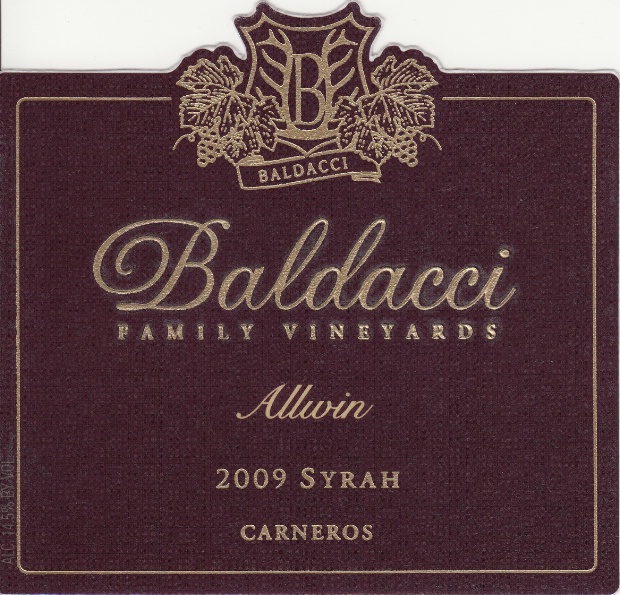
2009 Baldacci Family Vineyards Syrah Allwin

254280

Baldacci Family Vineyards Syrah Allwin

California, Napa Valley, Carneros

Wine Tasting Note:

A beautiful aged Syrah. Dinrk now… this is smack in the middle of its drinking window. The nose is full of rich plum and blackberry fruit with a woody, creme brulee note. On pop and pour all you get is cashmere in the mouth. What wonderful texture! The wine is initially closed. After a 30 min. decant – the plum and blackberry becomes persistent and in front. The mid-palate is full of oak, rich brown butter and spicy clove with a medium-long dark chocolate finish. The tannins are partially resolved and medium. The acidity is medium-high producing a nice backbone. The alcohol is well integrated. An extremely balanced wine! The richness and smooth texture of this wine will only pair well with the richest foods. Falls a little flat on the finish, but I can forgive… On its own, it is an after-dinner crowd-pleaser that your guests will likely not forget. A cool-climate Carneros Syrah lives up to its potential again!

Comments Off on 2009 Baldacci Family Vineyards Syrah Allwin

Filed under Carneros, Cool Climate Wine, Napa Valley, Syrah/Shiraz, U.S. Wines by Region, Wine Tasting, Wine Tasting Notes

Winemaker Interview – Todd Anderson of Anderson’s Conn Valley Vineyards (ACVV)

Please follow my winemaker interview series! You can find this interview at the following link:


http://winemakerinterviewseries.net/2014/10/15/winemaker-interview-todd-anderson-of-andersons-conn-valley-vineyards-acvv/

Comments Off on Winemaker Interview – Todd Anderson of Anderson’s Conn Valley Vineyards (ACVV)

Filed under Cabernet Sauvignon, Napa Valley, U.S. Wines by Region, Wine by Varietal, Wine Industry, Wine Tasting, Wine Tasting Notes, Winemaker Interview

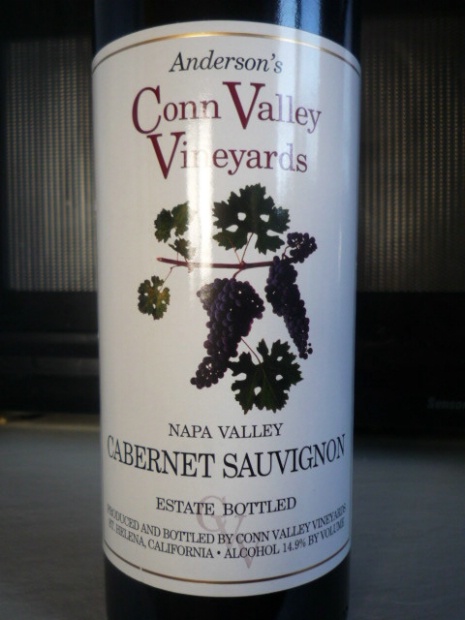
2007 Anderson’s Conn Valley Vineyards Cabernet Sauvignon

Conn 160043

Anderson’s Conn Valley Vineyards Cabernet Sauvignon

California, Napa Valley

Wine Tasting Note:

Drank over a four hour decant. Nose after pour is full of menthol and alcohol that almost masks the other more subtle notes of black plum and currant with tobacco. The acidity is very high… a definite food wine, needing red meat, or ribs. The texture fills the mouth with chewy tannins that are soft, but a touch rustic. This wine needs time to decant. After an hour decant, still shows big alcohol and menthol – overpowering the cherry and raspberry peaking through. After three hours, the alcohol has blown off and subtler notes appear. The fruit has moved forward and the plum and currant are now dominating. The menthol is now a subtle after-taste. The mid-palate has tobacco, oak and vanilla moving to a dark chocolate finish that turns a touch bitter and lasts forever… This is a premium Napa Cabernet showing its chops. For those that love the Napa Cab experience, this is an excellent example of one of the best. Another year, or two in the bottle and this wine will be ready to drink. Suggested optimum drinking window: 2016-2018.

Comments Off on 2007 Anderson’s Conn Valley Vineyards Cabernet Sauvignon

Filed under Cabernet Sauvignon, Napa Valley, U.S. Wines by Region, Wine Tasting

2004 Pahlmeyer Winery Jayson Red Blend

86382

Pahlmeyer Winery Jayson Red Blend

California, Napa Valley

Wine Tasting Note:

Initial taste is hot and alcoholic, watery and missing fruit. After a 90 minute decant – the wine has evolved into a beautiful aged Cabernet Sauvignon blend.  The alcohol has blown off, the tannins are soft and dusty and the blackberry and black currant is in front.  A definite Dr. Jekyll and Mr. Hyde experience!  This is the third 10-15 year-old premium Napa Cab I have tasted this year, and the experience has been similar.  These older Napa cabs need time to open…  The nose is still hot, but the fruit is prominent, with leather and loamy earth.  The palate is fruit forward now, but is typical of an older wine: missing the fresh fruit, but not oxidized yet. The mid-palate has leather, oak, spice and earth with a medium-long finish of dark chocolate.  The acidity is high and the tannins are very soft and subdued.  The structure is solid, but the balance is a touch off.  A few years earlier and the additional fruit might have offset the high acidity and alcohol. I found this enjoyable paired with a meat and cheese plate…

Had to add this postscript:

After 4 hour decant – Oh my gosh! The fruit is turning red and becoming sour raspberry. The tannins have completely resolved, but the wine is moving towards a velvet texture. The acidity has calmed down.  A great example of a balanced profile.  Just fantastic aged red wine!  Is there enough fruit to put another 3-5 years of bottle age on this, I hope so… I have one last bottle…

Comments Off on 2004 Pahlmeyer Winery Jayson Red Blend

Filed under Bordeaux/Meritage Blend, Napa Valley, U.S. Wines by Region, Wine Tasting, Wine Tasting Notes

Winemaker Interview – Bill Nancarrow of Goosecross Cellars

Please follow my winemaker interview series! You can find this interview at the following link:

http://winemakerinterviewseries.net/2014/08/06/winemaker-interview-bill-nancarrow-of-goosecross-cellars/


Comments Off on Winemaker Interview – Bill Nancarrow of Goosecross Cellars

Filed under Wine Tasting

1999 Duckhorn Vineyards Merlot Three Palms Vineyard

289199

Duckhorn Vineyards Merlot Three Palms Vineyard

California, Napa Valley

Wine Tasting Note:

After One Hour Decant

The alcohol is blowing off now. The nose is of black plum and blackberry, with strong cinnamon and clove spice character. Rather simple on the palate. The fruit is subdued, but in front still, with a mid-palate of powerful clove. The medium length finish is a mild, bitter dark chocolate. The bitterness becomes sour at the very end. The tannins are still present, but minimal and the acidity is still medium high. I was disappointed by the texture. The mouth-feel was a touch watery. This is a few years past its prime. This is not tasting oxidized yet. Still enjoyable and will definitely pair well with the beef that will be accompanying it.

After Two Hour Decant

The wine is still changing. The fruit is continuing to subside on the palate, but adding sour strawberry. The texture is continuing to evolve. The finish is lengthening and adding black pepper. The tannins are becoming a bit chewy. The acidity is becoming more prominent and the mouth-feel is building softness. Patience is paying off and the potential of this wine is starting to peak out. Amazing that a 15 year old bottle of wine can continue to evolve for two hours in the decanter!

Comments Off on 1999 Duckhorn Vineyards Merlot Three Palms Vineyard

Filed under Merlot, Napa Valley, U.S. Wines by Region, Wine by Varietal, Wine Tasting, Wine Tasting Notes

Jim Duane – Winemaker Interview

Seavey Vineyards 

California, Napa Valley


Jim Duane – Winemaker

Please follow this link to the Winemaker Interview Series at: http://winemakerinterviewseries.net/2014/07/22/wine-liquid-sunshine


I look forward to folks reading the piece. I would love to hear feedback, or comments. Always interested in what people have to say. I enjoy telling stories with my writing and I hope this piece gives you a glimpse into the winery and the man. I really enjoy these family wineries and hope the piece does their story justice.

Thanks,

Doug


Comments Off on Jim Duane – Winemaker Interview

Filed under Cabernet Sauvignon, Napa Valley, U.S. Wines by Region, Wine by Varietal, Wine Industry, Wine Tasting, Wine Tasting Notes

2006 Seavey Vineyards Cabernet Sauvignon Caravina

128020

Seavey Vineyards Cabernet Sauvignon Caravina

California, Napa Valley

Wine Tasting Note:

This is a monster cab. If you are a big Robert Parker fan, this is his kind of wine. Initially, the nose was hot and a bit funky with a very closed flavor profile. For an 8-year-old cab, this wine is STILL drinking very young. After 3 hour decant… Much of the alcohol has blown off now, but is still present. The nose has plum, blackberry, a touch of herbaceousness and menthol. It has a very complex palate of typical Cabernet Sauvignon flavors – black fruit, leather, tar, graphite, dark chocolate and oak. The wine shows a very long bitter chocolate finish. The age has resolved the tannins somewhat and they are now medium-high, but still a bit grainy. The wine is very acidic and would be best drunk accompanying a rare steak. The texture is full, fleshy and soft. This needs more time in the bottle to come together. I am looking forward to popping the next bottle after several more years. This wine has plenty of structure to hold up into the next decade. A suggested prime drinking window might be 2017-2020.

Comments Off on 2006 Seavey Vineyards Cabernet Sauvignon Caravina

Filed under Cabernet Sauvignon, Napa Valley, U.S. Wines by Region, Wine Tasting, Wine Tasting Notes