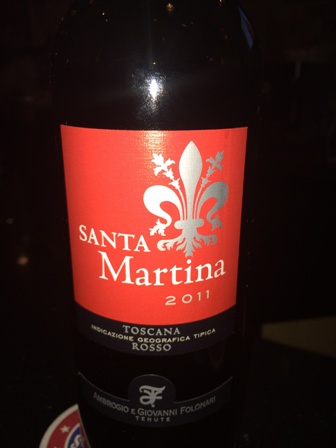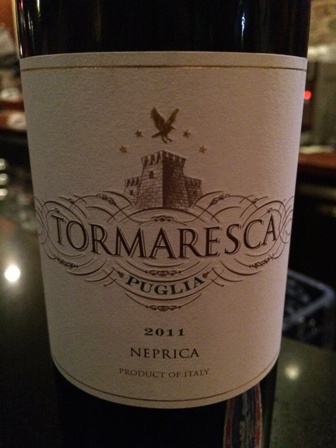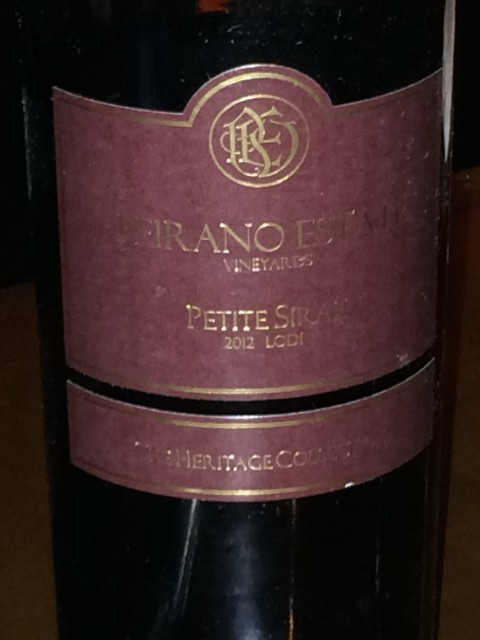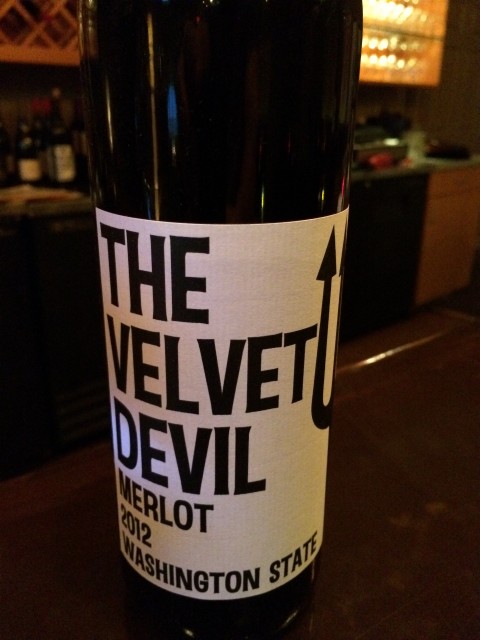
What a Waste of Wine & Money?

Exploring Wine can be Expensive and Overwhelming!

The number of different wines out there is daunting! Just walk into any wine shop (heaven forbid a Total Wine) and your first thought is: there are hundreds (if not thousands) of wines to choose from. How do I make a decision and who knows if I will enjoy it? When I first decided to explore wine, it killed me to think of wasting good money on lousy wine… just to find a few I liked. It became very clear to me that price had no correlation to matching my taste. I would guess many of you feel the same way. So… to lessen the pain, you limit yourself to trying wines by the glass at wine bars, or attend tastings at wine shops and/or even travel to wine country to hit the tasting rooms.

How Can I Choose Wines That I Will Enjoy?

Learn Your Palate

The first step is to learn your palate… Do you enjoy red fruit, or black fruit flavors? Do silky, or velvety textures appeal to you? Do you enjoy some astringency in the wine? Do you drink wine by itself, or with meals? Do you prefer slightly sweet, or dry wines? Taking the time to review and decide what you like, will go a long way towards helping you select wines to try.

Strategies for Finding Wines You Will Like

This can get very involved depending on your level of wine knowledge, but lets pare it down to the easiest, simplest strategies:

Follow the Winemakers

Many winemakers will allow each vintage of fruit to drive the wine. Some prefer to add wood, spice and vanilla flavors by selecting certain species of oak for aging. While still others will try to make the wine fruitier with whole cluster fermentation, or extended maceration. The processes really don’t matter though. Find what you like, identify the winemaker and track their labels. You will be more likely to find wines you enjoy this way.

Follow the Regions

Classic examples are:

Sauv Blanc from New Zealand typically has tropical fruit flavors, while the NorCal Sauvs are more citrusy.

Syrah dominated wines from the Northern Rhone typically have lower alcohol, are inky, with tar, floral and  olive tapenade flavors added to the black fruit, while Southern Rhones are very fruity, with high alcohol, highly textured and likely to have more red, or blue fruit flavors.

Red wines from Rutherford in Napa have an interesting dusty characteristic many find enjoyable.

Again, the specifics do not matter. If you enjoy wines from a specific region, selecting others from the same region will enhance your chances of hitting on wines you can appreciate.

Follow the Vineyards

This is my favorite! The fruit from different vineyards makes wines taste VERY different. Examples of this are:

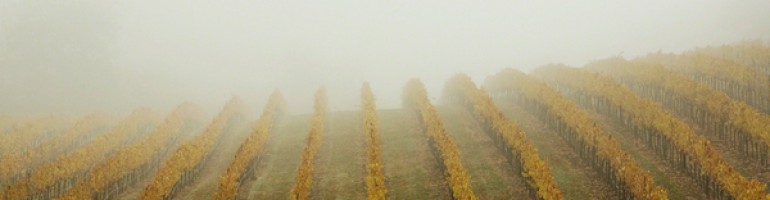
Cool, coastal vineyards tend to add acidity and structure. Early morning fog at inland vineyards can have the same affect.

Chalky soils can add a mineral aspect to wine – like the Chalk Hill area in Sonoma. Slate can add a flinty component like Riesling from the Mosel.

I regularly seek out wines made from vineyards whose flavors/characteristics I enjoy. It is a sound strategy for finding wines you have a better chance to appreciate.

Follow the Varietal

This is the most obvious. I am sure all of you have settled on grape varieties you prefer, but this is also the least reliable strategy. There can be so much variation within wines from even the same varietal, it does not provide a dependable method for choosing wines to enjoy.

These Strategies can Save $$Money$$

As you find success, you will notice it becomes easier to select wines to try. I have been using these strategies (and more) for many years. I am now comfortably buying wines I have not tasted via the internet and taking advantage of overstock and clearance pricing. I am hoping these ideas will help to end your waste of good money for lousy wine. Good luck and may you find many enjoyable, reasonably priced wines in your future!

1 Comment

Filed under Wine Collecting, Wine Education, Wine Tasting

Market Trends in the 2013 DtC Wine Segment

I was recently reviewing the 2014 Direct-to-Consumer Wine Shipping Report and felt there were components that pointed to some interesting conclusions. This is a quick recap, with the addition of a few personal observations and opinions of my own.

DtC sales activity is pointing to continuing strong growth and tremendous opportunity within the wine industry. Wineries failing to have some kind of DtC strategy will be leaving big dollars on the table.


Information was excerpted, revised and included in this post as taken from the Ship Compliant and Wines & Vines DtC Shipping Report for 2014. The report was much more extensive. To review the entire document please download at: http://info.shipcompliant.com/2014-direct-wine-shipping-report/. The contributors to the original report are acknowledged below.

Direct-to-Consumer Wine Sales Growing in Unexpected Ways

The largest growth in DtC shipments in 2013 came in the $15/btl and under category. While this sales channel has historically been the venue for ultra-premium wines at much higher prices, it appears the greatest future growth may come from lower price categories. This will put a whole new spin on marketing and channel strategy for the larger wineries and broaden the DtC market.

Quarterly Cycles Defining Volume Expectations

The 4th quarter typically represents a disproportionately large share of annual sales, but the trend worth noting here is the first quarter continuing to lose sales volume. A continuing pattern for four years in a row. Business planning and expense control in this kind of environment will be a challenge.

 Large Wineries Beginning to Build Market Share in DtC

Large wineries (over 500K cases) have had a 76% increase in volume shipped DtC  since 2010, including a 26% increase in 2013 alone. These huge wineries are beginning to develop the DtC channel as a more important vehicle for delivering product. A key factor to note: these wineries are driving an average per bottle price of only $27.12, well below the national DtC average. This is another indicator that the breadth of the DtC channel is growing.

 Lower Cost Whites Showing Their Muscle

With 21% growth in volume in 2013 (against average growth rate of 9.9%), the $15 and under price category represents 19% of all wines shipped DtC. The under $15 category is being dominated by lower cost white wines. This may reflect consumers’ increasing comfort with acquiring lower cost wines through the direct ship channel.

Can DtC Demand for Ultra-Premium Wines Influence Retail Wine Sales Strategies? 

While only 2.8% of total volume of shipments in 2013, the $100-149 price category has experienced 60% growth in volume since 2010. These figures should justify wineries adding the overhead to offer premium services for an elite clientele. Perhaps formally trained staff will find their way into tasting rooms.

 Napa Dominates All and California Commands Premium Pricing

Napa Valley ships over 73% of all the Cabernet through the DtC channel at an average price per bottle of $81! The average bottle price of a California wine shipped DtC is $40, while non-California wine is only $25. Clearly, California has defined their value message and the State has become its own brand to the average wine consumer.

Sonoma County ROCKS the DtC Channel in 2013! 

Sonoma County wineries increased their shipments to consumers by 25% in 2013. This huge increase in volume came at a cost. The average price of a bottle of Sonoma wine dropped by 6% last year. This could impact profits for smaller individual wineries, but for the bigger Sonoma County picture, bodes well for consumer perception of the wines. Personally, I believe there are great values in Sonoma County. These figures emphasize that fact.

Consumers Discovering Oregon

Oregon saw the largest increase in total shipments at 21% and showed positive growth in average price per bottle. Good news for cool climate Syrah lovers…. After a 100% increase in Syrah shipped in 2012, volume increased another 29% in 2013… with an average price per bottle increase of 59%!

 Zinfandel Losing Its Audience?

Zinfandel represents a full 8% of shipments from outside Napa and Sonoma. This varietal saw a 23% decrease in volume in 2013, on just under a 5% increase per bottle. Interesting that Zinfandel drinkers would react so drastically to such a small relative increase. This may indicate where consumer perception positions Zinfandel in the bigger red wine value spectrum.

 DtC Overall Growth Projections Point to Big Opportunity

Based on recent historical data, 7.5% growth per year in the DtC shipping channel over the next decade is not overly optimistic. If this growth in sales occurs, direct shippers will see a 107% increase to over $3.2 Billion by 2023!


Ship Compliant and Wines & Vines Report Contributors Jeff Carroll, Ship Compliant – Pawel Smolarkiewicz, Ship Compliant – Ben Olsgard, Ship Compliant – Lynne Skinner, Wines & Vines

Comments Off on Market Trends in the 2013 DtC Wine Segment

Filed under Wine Industry

2003 Rubicon Estate Cabernet Franc, Estate Reserve

253670

Rubicon Estate Cabernet Franc, Estate Reserve

California, Napa Valley, Rutherford

Wine Tasting Note:

Fine example of a 100% Cab Franc produced to age. Decanted for 30 mins. – brought out more fruit. The nose is fruit forward with plum, blackberry, jammy strawberry, leather, wet earth and a bit of funk. The texture is heavier bodied, coats the tongue and is very soft. High acidity, with soft tannins that are still very present. The nose is much more complex than the palate. The palate has black currant, plum and a bit of prune (showing its age) out front. Not much of a mid-palate, although a long finish of bitter dark chocolate. I would have preferred more complexity, but the rating was influenced more by the balance, soft – but very present tannins, and a good structure that held-up over the years. I enjoyed the bright acidity, even if the fruit is losing its freshness. Probably a year, or two past its prime, but still very nice.

Comments Off on 2003 Rubicon Estate Cabernet Franc, Estate Reserve

Filed under Napa Valley, Rutherford, U.S. Wines by Region, Wine Tasting, Wine Tasting Notes

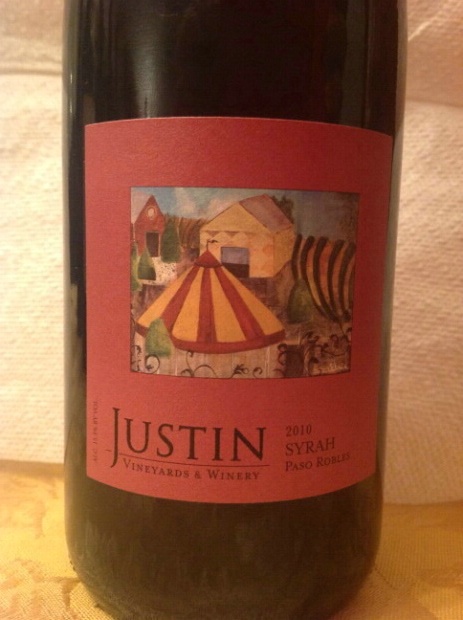
2010 Justin Syrah

258589

Justin Syrah

California, Central Coast, Paso Robles

Wine Tasting Note:

Nose is complex, if a bit shy. The red fruit comes through – mostly raspberry and a bit of strawberry. There is a wonderful touch of wet earthy funk and a little butterscotch. The texture is very elegant. Not too heavy, more middle of the road… but very silky. Medium acidity and medium tannins. The alcohol is only slightly noticeable. Nice balance overall. The palate is fruit forward with black fruits: currant, blackberry, plum with some black raspberry peaking through. Mid-palate includes a touch of butter and vanilla and then a long finish of dark chocolate. The fruit overwhelms the structure, offering the impression of a more simple profile on the palate. Not a one-dimensional wine, but not particularly complex either. The spiciness I enjoy with most Syrahs is missing.

Comments Off on 2010 Justin Syrah

Filed under Paso Robles, U.S. Wines by Region, Wine Tasting, Wine Tasting Notes

Marchesi de’ Frescobaldi Remole Toscana IGT

 2012 Marchesi de’ Frescobaldi Remole Toscana IGT

Italy, Tuscany

Tasting Note:

This is a pretty decent old world styled red. The nose is a bit shy, but has some interesting notes. Red cherry, leather, herbal character -sage? and a touch of mint. Simple on the palate… Fruit forward red cherry, but with some good structure. Tannins are grippy and there is good acidity. Some bitter dark chocolate and leather on the mid-palate. Not much of a finish though. This does not deserve some of the poor scores I have seen on the web. Maybe, a bias towards New World palates? By no means a special wine, but a decent daily drinker… Especially with food. The texture is light and the flavors are a bit simple, actually not a bad expression of a Tuscan IGT for such a reasonable price.

Comments Off on Marchesi de’ Frescobaldi Remole Toscana IGT

Filed under International Wines by Region, Italian Wine, Toscana, Wine Tasting

Strong Ales – A Brewmaster’s Passion

Strong Ale Definition

Strong Ales (also called Barleywines) is a catch-all category for grain-based alcoholic beverages with roughly 8-12% ABV content.  The diverse sub-categories can include American Strong Ales, English Strong Ales, Belgian Dark Strong Ales, etc. Each has a slightly different broader taste profile. American versions tend to be hoppier. The English is usually maltier and fuller bodied. While the Belgian can be more yeasty and/or fruity.

Market Trends in Beer

“…Overall U.S. beer market has taken a hit from difficult economic conditions and competition from other drinks categories—losing nearly 6.7 million barrels (or 93 million 2.25-gallon cases) since 2009—specialty beers are providing a growth avenue for the category. Total U.S. beer volume… fell 1.5% to 195 million barrels last year (2013), but specialty beers rose by 14% to 20.2 million barrels, according to the U.S. Beer Market: Impact Databank Review and Forecast.” From Shanken News Daily.

The U.S. palate is exploring, looking for diversity (finally) and making lagers and pilsners shrinking U.S. beer categories. Beautiful! The world of beer is so diverse and interesting with an amazing array of flavors and textures…

Commercial Examples of Strong Ales

American Style: Sierra Nevada Bigfoot, Rogue Old Crustacean, Avery Hog Heaven Barleywine, Anchor Old Foghorn, Stone Old Guardian, Bridgeport Old Knucklehead, Lagunitas Olde GnarleyWine, Smuttynose Barleywine, Flying Dog Horn Dog

English Style: Thomas Hardy’s Ale, Burton Bridge Thomas Sykes Old Ale, Fuller’s Golden Pride, AleSmith Old Numbskull, Whitbread Gold Label, Old Dominion Millenium

Belgian Dark Strong Ale Style: St. Bernardus Abt 12, Achel Extra Brune, Southampton Abbot 12, Chimay Grande Reserve (Blue), Gulden Draak, Lost Abbey Judgment Day, Russian River Salvation

 Why are Strong Ales Worth Exploring?

This category is a wide open style. Permitting barrel aging, dry-hopping, fruit infusion, wheat/barley/malt experimentation and a wide array of textures abound. I have tasted the brisk, piney, hops tasting Stone to the heavier textured malty Lagunitas. Those infused with apricot, or aged in old pinot noir, or bourbon barrels have been wonderfully fun to explore.  All have been interesting expressions of beer styles that just makes you want to try more…

Strong Ales: A Blank Canvas for the Brewmaster

The winemaker is lauded for his technique in expressing the terroir and nuanced flavors of the fruit. The brewmaster can be the same artist, exploring textures and flavors from fruit, grains, barrel aging, etc. I grew up in the U.S drinking lagers and pilsners, with no idea there were so many styles of beer in the universe. I am so happy the U.S. consumer has discovered and embraced the numerous options and encouraged breweries to explore and produce every kind of beer imaginable. On my way to The Yard House… I wonder which of their 100+ beers on tap I will be drinking today?

Comments Off on Strong Ales – A Brewmaster’s Passion

Filed under Beer Tasting

Neuroscientist Wants To Upload Humanity To Computer

Recent Popular Science Mag article…

https://twitter.com/DouglasJLevin/statuses/467101233262493697

My goodness this was a semi-serious piece. What are we coming to? BTW, would you please polish up Robbie… I will put the upload in my living will!

Comments Off on Neuroscientist Wants To Upload Humanity To Computer

Filed under Wine Tasting

Wine Bars in Albuquerque, New Mexico?

I was pleasantly surprised. Yes, there ARE wine bars worth visiting in New Mexico!

I travel on business from Southern Nevada to West Texas… as you can imagine, this is not exactly the wine mecca of the United States. I always search out wine destinations where I travel. So, I thought I would throw these exploits on the blog. If you are ever traveling in the area, consider stopping in. They were both good, but Farina was special.

  1. Farina Pizzeria

    510 Central Ave SE, Albuquerque, NM 87102

    Wow! I come here most trips into the area. Fantastic brick oven Napolitano style pizza. I enjoyed the “Meatball Pizza”. It was delish! As you can see, reasonable prices too! They have Antipasto and Pasta dishes, but here is the pizza menu:

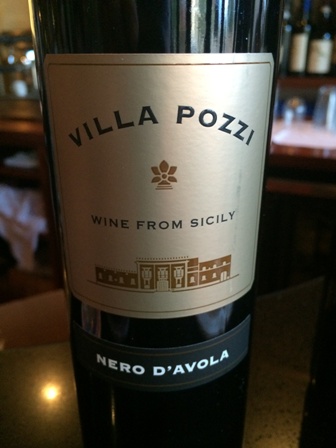
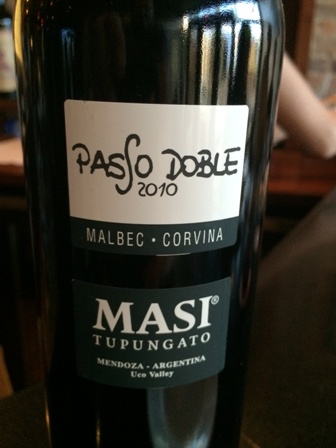
    I always enjoy their wine list. Often, less well known producers and usually pretty fair quality at a decent price. Have you ever heard of Malbec blended with Corvina? What a strange mash-up – it works, but the other wines were better. They change their selection frequently, bringing in new wines to keep things fresh. The stand-outs for me, were the Nero D’Avola  and Negroamaro Blend. I tasted these wines:

    IMG_0048 Nero D'Avola IMG_0049 Malbec-Corvina

    IMG_0050 Super Tuscan IMG_0051Negroamaro Blend

    Nice atmosphere and busy even on weekday nights. Could transplant this in San Francisco and it would work. Sit at the bar and Tasha will take care of you. Great service!

    2. Slate Street Cafe

    515 Slate Ave NW, Albuquerque, NM 87102

    Tried this restaurant for the first time this trip. Fusion of New Mexico and traditional flavors. Tried the chicken fried steak with green chili on a bed of smashed potatoes and broccoli – all surrounded by a red chili sauce. This was very good, but then again, I am a sucker for southwest fusion. Atmosphere was very blah and stuffy. See photo below:

    IMG_0054

    Dinner menu below:

    Nothing special about the wine selection. I tasted the wines separately from the meal. I was in the mood for red wine. Weather was chilly and it had been snowing up in Taos earlier in the day in mid-May – crazy weather. In any case, the reds would not go well with the moderately spicy food, so I drank before and after dinner. The merlot was very average, but I really enjoyed the Petite Sirah. Photos below:

    IMG_0059 IMG_0055

Comments Off on Wine Bars in Albuquerque, New Mexico?

Filed under Restaurant, Restaurant Review, Wine Tasting, Wine Tasting Notes

2007 Inman Family Pinot Noir Olivet Grange Vineyard

218848

Inman Family Pinot Noir Olivet Grange Vineyard

California, Sonoma County, Russian River Valley

Wine Tasting Note:

The 2006 was a prettier vintage. It was a bit more fruit forward and a little more balanced, but this is still a wonderful effort. The nose has aromas of sour black cherries, dark chocolate, minerality and a minor floral note. The color has picked up a brownish tinge showing some age and the freshness is gone, but the palate is still showing strong acidity – making the wine still very lively in the mouth. The tannins are very subdued and the alcohol is very well integrated. The texture is gorgeous – very soft and pleasant. More old world style, focusing on balance and complexity, but not quite hitting the mark. The fruit is in front but subtle, moving to a mid-palate with vanilla, oak, leather and some mineral aspects with a medium-long finish of bitter chocolate. I enjoyed this California Pinot that didn’t follow the crowd.

Comments Off on 2007 Inman Family Pinot Noir Olivet Grange Vineyard

Filed under Pinot Noir, Russian River Valley, U.S. Wines by Region, Wine by Varietal, Wine Tasting, Wine Tasting Notes

Can New Zealand Wines Continue to Grow Market Share in U.S.?

Source quoted below…

What is Driving the Continuing Growth of New Zealand Wines in the U.S.?

This situation reminds me of the popularity of Australian red wines in the U.S. for the last decade. Unfortunately (for them), tastes evolved and the intensely fruity, sweet, simple style of wine produced for export has lost much of its steam, as U.S. red wine drinkers palates have matured. I have a suspicion the same future may be in the cards for New Zealand. Many consumers I talk to, enjoy the New Zealand Sauvignon Blancs, because of the tropical fruit flavors these terroirs seems to bring to the wine grapes. Contrast that with the lemon and grapefruit flavors that are predominant with the Napa-Sonoma producers. The majority of the California Sauv Blancs I have tasted are obvious food wines… pairing well with lighter food styles – seafood, chicken, white cream sauces. These New Zealand wines are better for spicy foods and drinking on their own. Can this style continue to grow market share and/or expand the market for white wine in the U.S.?

New Zealand Wine Sales Grow in the Premium Category…

In this case, the source is defining the “premium brands” category in the $15-30/btl range. Why are people willing to pay more for these brands: Kim Crawford, Oyster Bay, etc? Tropical fruit flavors in Sauv Blanc are difficult to find in wines from other areas consistently. Could this consistent flavor profile cause wine drinkers to feel they know the product as a regional brand? Perhaps in the same way we have come to know the general character of “Left Bank Bordeaux” wines? If this is the case, will this wine style continue to “win” in the long-run? Based on the popularity now, it would seem so, but only time will tell.

————————————————————–

New Zealand Wines Thrive Stateside, Led By Super-Premium Brands

Shanken News Daily – “New Zealand wine imports continue to gain ground in the U.S., with much of the segment’s growth concentrated in the premium-and-above range. Bottled wine shipments from New Zealand grew 9.1% to more than 2.7 million cases in 2012 and then accelerated in 2013, rising 12% to over 3.1 million cases. The trend has continued this year, with New Zealand wine rising by 21% in IRI channels in the 12 weeks ending March 23. The U.S. market’s largest New Zealand wine brand—Constellation’s Kim Crawford ($17-$33 a 750-ml.)…”

1 Comment

Filed under International Wines by Region, New Zealand, Sauvignon Blanc, Wine Education, Wine Industry, Wine Tasting