Category Archives: Cool Climate Wine

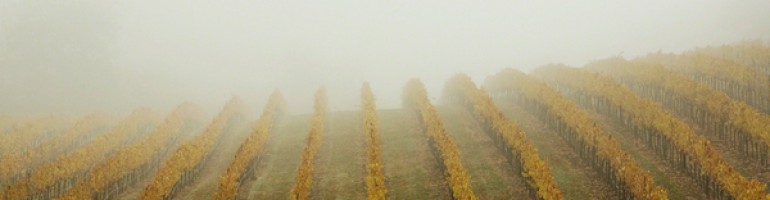
Complex wine made from fruit grown in cooler climate vineyards.

Restaurant Wine Service and Profitability

Formula for a Successful Restaurant

So many restaurant owners ignore the potential of their beverage service. Yes, it requires an investment, but I have run the numbers many times… and it is just too difficult to hit the necessary gross profit margin without at least a 30% revenue and 40% profit contribution from beverage. Business plans become tortured, when based on food alone. I don’t care how good the product is. U.S. business statistics show, only one out of seven new restaurant start-ups last past the first five years.

Attitude and Passion

To run a beverage program at a fine dining restaurant requires an infectious passion and an ability to be a wine ambassador to draw your clientele into wine culture to succeed. The fine dining experience is all about superior service, telling stories and relating to the customer, all with an eye on education – not only regarding wine/beer/spirits, but also appropriate food pairings too. This seems to overwhelm many owners, but the result is worth the effort and may even be the key to long-term survival.

Business Planning in the Restaurant Trade

So often businesses lose sight of the financial viability of their annual budget and business plan (if they have one). I think, especially so in the restaurant trade. As a business owner, the tendency is to focus on a comfort zone and day-to-day operations, while overlooking whether the right plan is in place to achieve success. Having owned businesses and managed organizations in the past, even those with highly motivated employees, it is easy to lose track of the need for financial planning, marketing and experimenting with ways to enhance customer loyalty. Beverage is one of those keys to success.


Comments Off on Restaurant Wine Service and Profitability

Filed under Cool Climate Wine, Restaurant, Wine Industry, Wine Tasting

Open Letter to Sommeliers

I see posts all over the internet from Sommeliers talking about their passion for wine and customer service and the challenge of being an ambassador to the industry…

Sommeliers Must Bring Business Management to the Table

There is a key point being missed. A Somm is also a beverage manager. He/she should be a businessperson first and foremost. The job for the owner is to build a beverage program that attracts clientele and contributes it’s share to the profitability of the restaurant/shop. Yes, Somm’s are passionate, wine-loving people… but without a business focus, they are not the invaluable asset they should be. Besides exceptional beverage service, they must be able to manage a budget, negotiate procurement agreements, practice good cellar management, devise effective pricing programs, train wait-staff, etc… exceptional people skills are very important, but a business focus is what will make a career successful.

Comments Off on Open Letter to Sommeliers

Filed under Cool Climate Wine, Restaurant, Sommelier, Wine Industry, Wine Tasting, Wine Travel

Value Wines in California

What represents value in wine?

Quality vs. price, or drinkability vs. price? I choose the former, rather than the latter. Structure, acidity, tannins, texture are all important components of an enjoyable, rather than boring wine.

Hidden Gems

Cab Sauv Daily Drinker

Geyser Peak Walking Tree Vineyard

Street price – $15-$20/btl.

Syrah Daily Drinker

Andrew Murray (all releases)

Club pricing – $20-$30/btl.

Zinfandel Daily Drinker

Peachy Canyon Westside Vineyard

Street price – $15-$20/btl.

Pinot Noir Daily Drinker

Meiomi Belle Glos

Street price – $15-20/btl. (killed me not to pick an Oregon pinot here)

Premium Merlot

Paloma. Definitely the BEST U.S. made merlot being produced today.

$60/btl. from the winery a great value

Premium Cabernet Sauvignon

Jordan

Street price – $45-$55/btl.

Premium Old World Style Cabernet Sauvignon

Ladera

Street price – $65-$70/btl.

Premium Pinot Noir

Inman Family OGV

Street price – $35-40/btl.

Comments Off on Value Wines in California

Filed under Cool Climate Wine, Wine Industry, Wine Tasting, Wine Travel

Great Classified Bordeaux under $100/btl?

Classic Bordeaux

Having developed my palate with California wines, the last five years I have been on a mission to find aged Classified Bordeaux I enjoy under $100 and trying to justify the value vs. old world style blends out of California. These selections are based on my personal palate and preferences and were purchased under $100/btl…

2006 Pontet Canet

The clear winner. Lighter more refined Old World character, but still fruit forward. Fantastic balance with great structure.

Leoville Barton, Rauzan Segla

Honorable mention.

Napa Equivalents to Classic Bordeaux

Here is the problem – for every enjoyable aged Classified Bordeaux under $100, there is a California equivalent for at least 25% less. In my opinion, the closest Napa producers to Old World European styles are in the Howell Mountain area.

2006 Ladera

The clear New World winner. Similar to Pontet Canet, a lighter more refined style, but still fruit forward. Good balance with great structure.

Anderson’s Conn Valley and Seavey

Very old world, very good AND 25% less.

Justify Paying $100+/btl for Bordeaux?

Is there a justification for paying the premium? In my case, I buy a small selection of Bordeaux… just to be able to compare and add diversity to my cellar.

Comments Off on Great Classified Bordeaux under $100/btl?

Filed under Cool Climate Wine, Wine Industry, Wine Tasting, Wine Travel

Defining “Cool Climate” Wines

Everything in the wine world seems better evaluated in the context of its impact on taste: terroir, winemaking technique, storage, etc. Ultimately, all processes have the potential to impact taste and should be considered in both qualitative and quantitative terms regarding their impact on flavors and aromas in the final product.

So what is “cool climate” and why is it important to wine? “Cool Climate” wine can be defined as any wine made from a warm climate wine grape varietal grown in a region where the temps are in the lower range of the vines’ tolerance. The challenge for growers is there must also be sufficient sunlight to ripen the grapes. So, the quality of the fruit tends to be higher in areas where the growing season has enough sunlight to ripen the grapes and enhance the development of phenols, but cool to cold nights to raise the acidity. These wines tend to have structure, be more balanced, have less alcohol, include more complexity, have higher acidity and generally be more interesting. If big, fruity, alcoholic wines like many Napa Cabs are your faves, this category of wine may not be on top of your list…

I think most everyone would agree, white wines are just not interesting enough, unless grown in cool climate regions, but red wines are an entirely different matter. Many warm climate red regions produce excellent reds, i.e. Southern France, Spain and Italy. I have tasted cool climate produced syrahs, tempranillos, cabernet sauvs and cabernet francs. In my opinion, cabernet becomes too vegetal when grown in climates that push the cooler temp angle too much. Whereas syrah in particular, benefits greatly from this approach. My favorite red wine is syrah made from fruit grown in cool climate vineyards. Try searching them out and tasting them side-by-side with warm climate production… you will taste the difference. If you enjoy complex, structured wines, these wines will be for you!

Comments Off on Defining “Cool Climate” Wines

Filed under Cool Climate Wine, Wine Industry, Wine Tasting, Wine Travel