
I attended a presentation today at the 2017 Wine Bloggers Conference by a group of four Zin winery owners sponsored by ZAP (Zin Advocates & Producers) and heard this plea: we are serious winemakers producing serious wine, we deserve to be taken seriously! The session was titled “Zinfandel: Old and New.” I was expecting a serious discussion about old and new wine styles, but instead we heard the usual tired Zin topic: comparing old vs. young vine Zin. Not that this isn’t a viable topic, it has just been covered many times in many places and not really what these winemakers were passionate about. The ZAP moderator had to focus the discussion back on promoting the vineyards several times. This brings me to the reason for this commentary. I have seen it many times, when a winery doesn’t understand how best to develop a coordinated marketing plan, the focus is put on expression of place (terroir). There are definitely worse ideas, but Zinfandel in particular is a special case. Zinfandel has an identity problem first and foremost and if that isn’t addressed, all discussion of place is lost in the noise.
Red Zinfandel Wine & Consumer Perception
Zinfandel is the most manipulated wine grape on the planet. It is made in so many styles, you really have no idea what to expect every time you open a bottle from an unfamiliar producer. In contrast, when I pop Bordeaux/Meritage, Burgundy, or Rhône style wines, regardless of where they are made, I have a rough idea of what I will be tasting. That is a serious problem. If ZAP is trying to bring Zin into the premium space, they should be focusing on this issue. Collectors and restarauteurs need to have a point of reference. It must be quite difficult to build a marketing plan around a wine profile that is not generally familiar. Does the marketplace need some sort of generally accepted Zin style indicators?
So, here we go… my attempt to address this challenge:
RICH Zinfandel – Characterized by winemaking technique aimed at broad general appeal and high volume production. Usually driven by ideas like: whole cluster vacuum fermentation to add extraction and big fruit flavors, extended cold soak for more extraction, late harvest to accentuate over-ripe and raisiny fruit flavors and optical sorting to isolate late harvest raisins to make a concentrated must used to fortify larger batch production. Good examples would be Lodi and Paso Robles producers chasing the jammy Zin profile.
WARM CLIMATE Zinfandel – These would be producers in warm climate areas with a fine wine sensibility. Using Guyot trellising and vertical shoot positioning to build a Bordeaux style approach to Zin. This type of winemaking in these locations makes what I would call Zin with finesse. Not overly fruit-forward with low tannins and medium to medium-high acidity, often shooting for soft wines with good mouthfeel. Napa and Dry Creek Zin producers would be the example here.
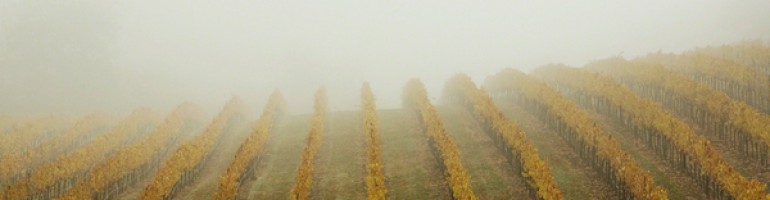
COOL CLIMATE Zinfandel – These producers are trying to build a leaner style Zin with medium to high tannins and high to very high acidity. Often traditionalists, these estate vineyards are usually head-trained and laid out with more space 8’x8’ or 8’x12’ between the vines building a large cluster approach to fruit production. Zin tends to always drive fruity flavor profiles, so growing in a location with just enough sun and warmth to ripen the fruit seems to work. This is probably a “truer” expression of Zin for you purists and builds a wine much better for pairing with food. Producers from Amador and El Dorado Counties and Russian River are examples in this category.
Zinfandel BLEND – This is the newest idea in the industry and popularized by the very successful release of “The Prisoner” by Orin Swift orginally. Zinfandel as a varietal has broken through the stigma and become a more common blending grape. Several producers in Paso Robles have begun using Zin to add a fruit-forward and aromatic character in lieu of the traditional Grenache found in most Rhone blends. I find the result quite interesting. Try an example of a red blend with Zinfandel in the mix. When done well, these wines can be fruit-forward, acidic, tannic and have great mouthfeel all at once.
Wine Tasting Session
2015 Terra d’Oro Deaver Vineyard – Mildly fruit-forward and slightly sour. Much like a Chianti without the structure. Some complexity would add interest. Medium acidity and tannins.
2015 Cedarville Vineyard Zinfandel – A fruit-forward nose and palate with black cherry and strawberry. A light mid-palate and finish of bitter dark chocolate. Medium-high acidity and medium-high tannins. This had a nice aromatic nose. Nice effort that maintains the integrity of the Zin profile, while offering a structured food-friendly approach.
2015 Proulx Zinfandel – A strong red fruit profile with a brambly note and a dominating nail polish character on the nose. Medium-high acidity and medium tannins.
2015 Limerick Lane Wines 1910 Block – This is loosely a Zinfandel “field blend”. More blackberry than the other wines tasted here (more black vs. red fruit). The enhanced black fruit is likely due to the other red varietals planted in this vineyard. There was a brambly character that added a pleasant complexity. High acidity and medium tannins.
Cool Climate Zinfandel
These four wines were grown in areas where at least the evenings are quite cool and the fruit is often picked a little earlier than other California Zin producers. These wine profiles were deliberately built to offer a more classic style of red wine with good structure and to pair well with food. Think food pairings like poultry, or pork – in particular, a Thanksgiving meal sort of sensibility.
Zinfandel Marketing
How do YOU feel about Zinfandel? It can be made in a very serious wine style, but is not often thought of this way. Marketing is critical for the producers in this style. It was mentioned in the session that these producers were not successfully selling into the Midwest and East Coast markets. The answer has to be an organization like ZAP that could develop a product identity well understood by the wine community.




 Douglas Levin - Trained, Certified Advanced Sommelier and Wine Writer
 Cool Climate Wine