Tag Archives: Wine Tasting

Devour AZ: Can Fine Dining Survive?

I recently attended the event #DevourAZ organized by #LocalFirstAZ and had the opportunity to interview several local executive chefs presenting a local mid to high tier take on the Phoenix restaurant experience. The result was a startling realization regarding new trends in the local fine dining scene.

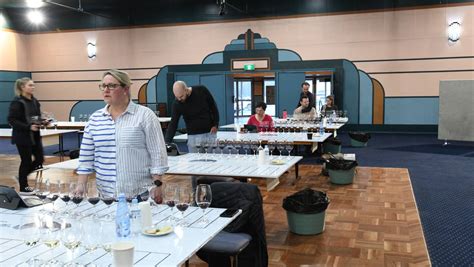
Local First AZ (link at: https://localfirstaz.com/news) is an organization established to promote the AZ Food & Beverage industry. If you live in AZ, check out their website for other local events throughout the year. Arizona Desert Botanical Gardens in Phoenix, AZ (link at: https://dbg.org/) was closed for this private event. Great garden venue and a perfect choice for eating and drinking in an enjoyable, relaxed setting. DBG was a great place to enjoy the temperate AZ winter weather and discover new favorites on the AZ food & beverage scene. There were lots of prepared local foods with wine, beer and spirits showcasing Arizona restaurants, distributors and beverage producers. This event was sold-out well in advance, so if you are interested in attending next year, make sure to buy tickets early.

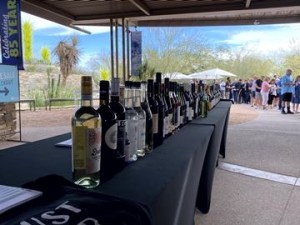
Loads of wine, beer and spirits to taste.

THE INTERVIEWS

All four chefs I spoke to, shared the same two-part message: a reasonably priced fine dining experience is now beyond even the upper-income dining community and younger generations are significantly changing their restaurant preferences. As a Boomer generation diner, I am accustomed to a white tablecloth, multi-course, curated food & wine experience. If you are of the same mindset, be prepared… it is all changing.

POST-COVID PRICE CHALLENGES

One of the more well-known curated fine-dining restaurants in my area is Monarch Cafe in Scottsdale. I checked their most recent menu and the per-plate cost has risen to $150-$250 per plate, plus beverage. A friend recently told me he dropped $1,000 on a recent Monarch visit for two with a pre-fixe menu, two bottles of wine and tip for the evening. He doesn’t plan to go back any time soon… There are choices in Phoenix that can get you near the experience for $500-$600, but it is a compromise. There is only one traditional fine-dining restaurant left in Phoenix that allows you to bring your own wine for a corkage fee. These prices will significantly limit the pool of potential clients for this category of restaurant and is pushing those restaurants still trying, to either close their doors, or change their menu, service AND business model.

The issue for restaurants and bars during COVID was just finding help. Now, it is making a new business plan work with huge increases in competitive wages and on-going service inflation. None of the chefs I spoke to were investing in significant server training and all were trying to find a simpler approach to a menu that did not require lengthy explanations of flavors and pairings to sell the experience. They all said servers in this market with the needed experience/knowledge to offer a traditional fine-dining experience are now at $60K-$75K/yr. income level with salary and tips… and are disappearing. Add 25-50% to that for the major centers of fine-dining like San Fran, Chicago and New York.

CHANGES IN BEVERAGE

Wine prices have continued to move higher in the U.S., having been the most expensive dinner beverage option for some time now. This has been my pet-peeve for years. With wineries moving towards the premium category for more than a decade AND the total lack of interest exhibited by volume producers to offer decent quality at lower price points… the entire U.S. industry has been shooting itself in the foot… as percentage wine consumption is dropping by double digits. The industry will lose entire generations of wine drinkers at this rate. In Italy, Germany and France, a $20 USD carafe of red wine at a restaurant competes on quality favorably with the $40-$50 bottles of U.S. wine I have purchased at restaurants.

These factors are causing the chefs I interviewed to cut their wine & craft beer (yes, beer consumption is now dropping too) inventories in half and move towards craft cocktail programs. Cocktails don’t require premium spirits brands, spoilage is a minimum, is a much smaller investment and can offer a very diverse flavor spectrum with little effort… and is much easier for untrained servers to support.

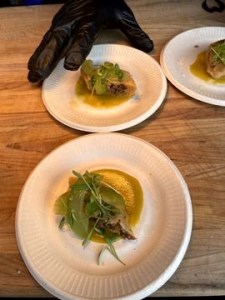
Bites from numerous restaurants serving many different dishes/flavors.

CHANGES IN MENUS/FOOD STYLES

The younger generations seem to be less interested in a 3-4 course traditional meal, than they are in a multi-plate, tapas-style experience. I understand that this approach can offer a more diverse flavor spectrum, but it totally ignores the idea of curating flavor and beverage pairings. For any of you that have had formal training, this is anathema to the old-world European style experience. European cuisines have experienced generations of being honed to find the most complementary flavors and beverages. Millions have been spent on promoting complimentary local food and beverage styles that are identified with a specific location, or region.

There is the service aspect here too. These chefs told me they can compose tapas style menus that describe simpler single flavor profiles that don’t require a trained server to explain. This approach offers a lower payroll cost, corresponding to a lower bill at the end of the meal.

FUTURE OF FINE-DINING

I have been mourning the loss of fine-dining in Phoenix for a couple years now and wracking my brain to look for alternatives to showcase curated food and beverage at a reasonable price. This is what I have come up with and I would appreciate your feedback.

I first thought that the American Wine Society (link at: https://americanwinesociety.org/) was the answer, but there has been significant push-back on including the idea of curated menus with wine tasting. I am hoping this myopic view of wine will change and the leadership will recognize how important food is to the wine experience. I still have hope this is possible and am continuing my efforts to move local AWS chapters in this direction.

I have begun building PowerPoint templates to assist inexperienced enthusiasts in effectively hosting curated food & wine experiences in their homes. If we are going to save the idea of pairing flavors and beverage in the dining experience, it may be possible to do this 8-10 people at a time, with a private experience in local homes. Would there be enough interest to build networks of small groups with this theme in mind? I am hoping…

2 Comments

Filed under Fine Dining, Food Pairing, Restaurant, Restaurant Review, Sommelier, Spirits, Wine Education, Wine Industry, Wine Marketing, Wine Tasting

21 Value French Bordeaux Wines Tasting / Comparison

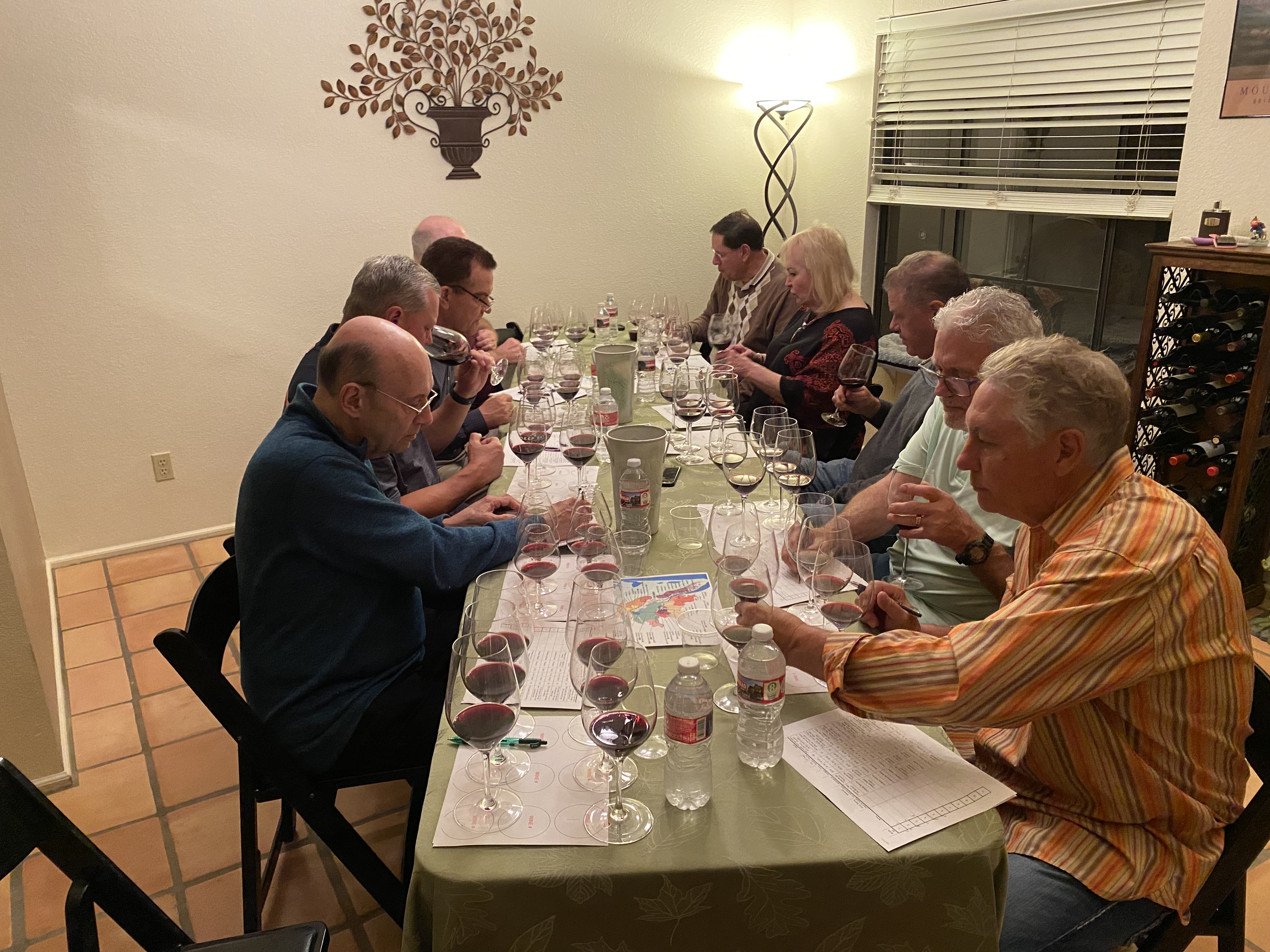
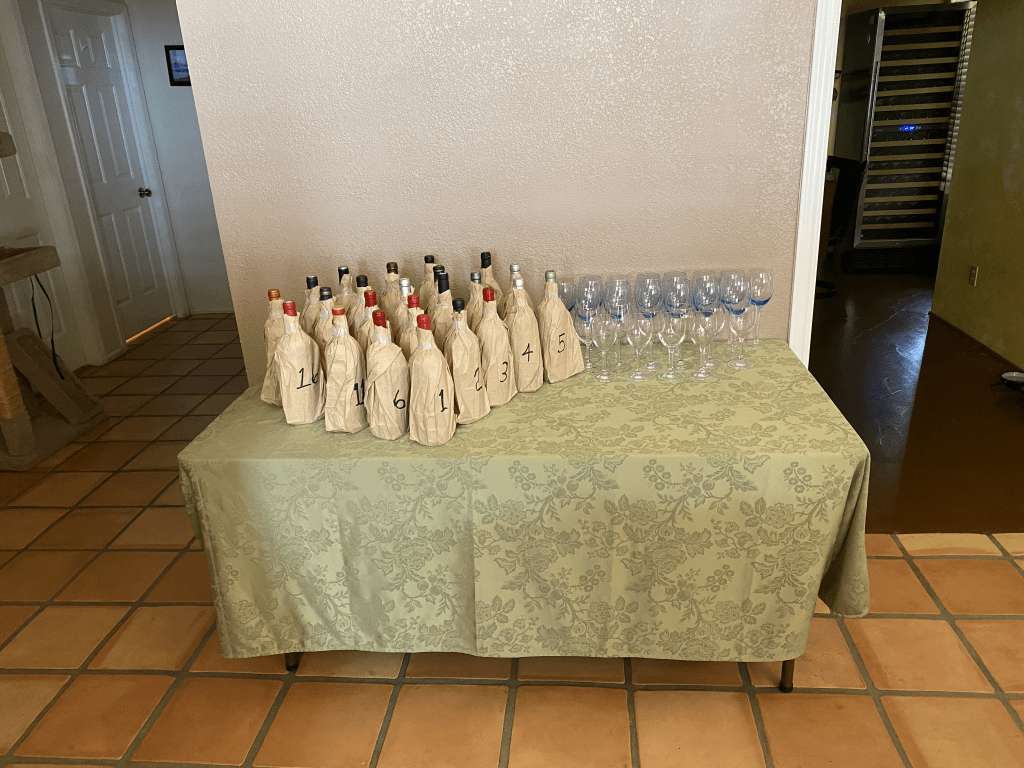
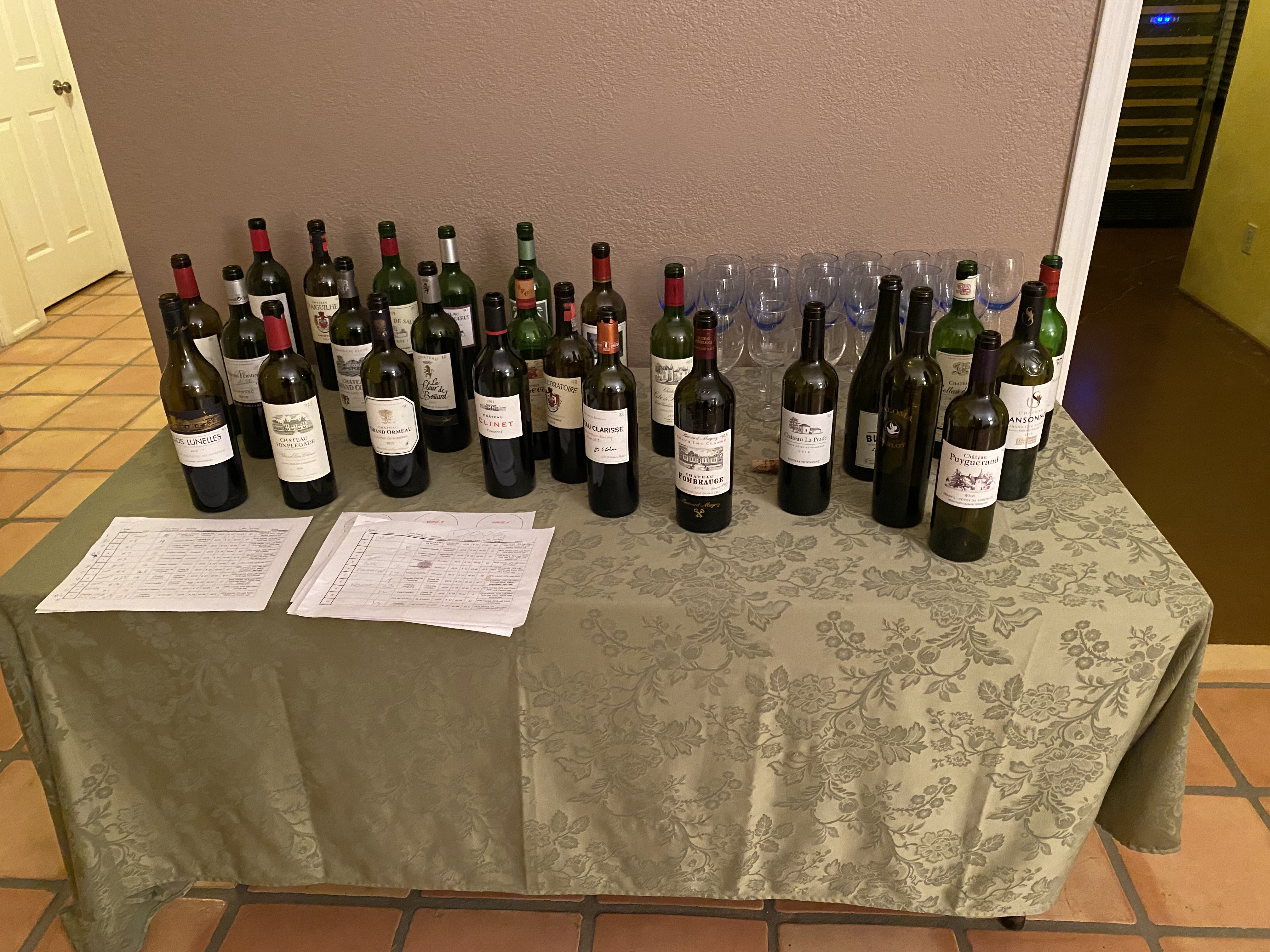
23 wines were tasted in this gathering. All except one wine was from a Right Bank Bordeaux French producer and all were either 100% Merlot, or more commonly, Merlot dominated wine blends. All were tasted blind (covered in paper bags) and it was encouraged to identify the two higher cost “ringer” wines from Bordeaux and Napa, before the reveal. The average bottle price of the 21 wines was $30 USD retail. The wines were tasted in rounds of six, with a short rest of our palates between and paired finger foods were available to clear the palate. This is the list of wines tasted on this night by a panel of 10: one experienced wine Judge, one Sommelier II, one winery Owner, several WSET III Certified and several wine Collectors. (There is a link to a spreadsheet below with more detailed information about the wines)

  • 2018 Chateau La Vieille Cure – Fronsac
  • 2018 Chateau Fontenil – Fronsac
  • 2019 Chateau Cap De Faugeres – Cotes de Castillon
  • 2019 Clos Lunelles Cotes de Castillon
  • 2019 Chateau d’Aiguilhe – Cotes de Castillon
  • 2016 Chateau Fombrauge – St. Emillion
  • 2019 Clos de l’Oratoire – St. Emillion
  • 2019 Chateau Sansonnet – St. Emillion
  • 2019 Chateau Grand Corbin – St. Emillion
  • 2017 Chateau Clarisse Puisseguin – St. Emillion
  • 2016 Chateau Fonplegade – St. Emillion
  • 2018 Chateau Cote De Baleau – St. Emillion
  • 2016 Chateau Haut Rocher – St. Emillion
  • 2019 Chateau Siaurac – Lalande de Pomerol
  • 2019 Chateau La Fleur de Bouard – Lalande de Pomerol
  • 2015 Chateau Grand Ormeau – Lalande de Pomerol
  • 2019 Chateau Taillefer – Pomerol
  • 2019 Chateau De Sales – Pomerol
  • 2018 Chateau Puygueraud – Cotes de Francs
  • 2018 Chateau Marsau – Cotes de Francs
  • 2018 Chateau La Prade – Cotes de Francs
  • Ringer – 2014 Paloma – Napa
  • Ringer – 2014 Chateau Clinet – Pomerol

I had been looking forward to doing this kind of tasting for some time. I chose Right Bank area producers, as these wines would be relatively young and I wanted to be fair. If I had chosen Left Bank wines, they would have been less likely to be mature enough to evaluate them reasonably. I wanted to include a couple more expensive similar wines to see if we could identify them easily as being of greater(?) quality.

Palate fatigue was a bit of a challenge for me roughly mid-way through, but I believe all of us began taking a bit more time between flights at that point and I feel it did not ruin the evaluation. The tasting took about three hours, so it would seem we took our time. The group felt, all but the last couple of wines were easily of good daily-drinker quality, or better (quite a surprise). Since the wines were merlot dominated, as a whole, they were more fruit-forward than most cabernet sauvignon dominated French wines. Based on a general domestic wine comparison, all of these wines had at least medium tannins and acidity, making them more balanced wines than many domestic labels and a better pairing with food.

Our top-rated wines (without the “ringers”) were viewed as exceptional values by the group. These were the six top-rated wines of the night, based on averaging the scores across the group:

  • 1) 2018 Chateau La Vieille Cure – Fronsac
  • 2) Ringer – 2014 Paloma – Napa

Tied for 3rd:

  • 3) Ringer – 2014 Chateau Clinet – Pomerol
  • 3) 2019 Chateau Cap De Faugeres – Cotes de Castillon
  • 3) 2016 Chateau Fombrauge – St. Emillion
  • 3) 2019 Clos de l’Oratoire – St. Emillion

I would say the top wines were in the 92 – 94 score range (100 pt scale). I agreed with most of the group averaged ratings, although I rated a couple differently. You can see the difference between my personal ratings and the group’s average via the link below. The fourth rated wines were a grouping of six and I scored those wines in the 90 – 91 range. The fifth rated wines were a group of five that I scored around 89 points. There were a few of us (with more Old-World palates) that felt the New-World Wine (Paloma) didn’t belong, as the flavor profile definitely had more fruit, the most oak, less acid and a rounder mouthfeel. A very enjoyable wine, but more what I call a cocktail wine to be drunk on its own, rather than paired with food.

All of these wines had a similar flavor profile for typical merlot and merlot/cab franc blends. The fruits were typically black plum and blackberry, the secondary flavor was dark chocolate. Some had tertiary flavors of bramble, or a finish of white or black pepper. Consistently, these wines had a medium-to-high acid and tannin profile. The majority were aged in either American, or French Oak for up to 18 months. Most were aged in neutral, rather than new oak. I thought the Paloma tasted as if it had the most oak character. Several of the wines had a lengthy finish. In all, most were fairly balanced, but generally fruit forward. So, I think friendly to the general U.S. consumer palate.

This tasting was so much fun and confirmed for all of us, imported French Bordeaux wines did not have to be expensive to be good. Although, the majority did not reach the quality of many of the best, aged Bordeaux Grand Cru wines I have tasted in the past. These are not typically labels you will find at the grocery store, or even at Total Wine & Bevmo (altho a few are). All of these wines were purchased from online retailers originally. I would encourage all of you to investigate these and other value French wines further… especially if you enjoy drinking red wine with meals. The value is undeniable, and it is difficult to find good U.S. made red wines in this price range.

Here is the link to download the spreadsheet with more information on the wines and their rankings: RB Bordeaux Rankings – Final.

Comments Off on 21 Value French Bordeaux Wines Tasting / Comparison

Filed under Bordeaux, Bordeaux/Meritage Blend, French Wine, Wine by Varietal, Wine Collecting, Wine Education, Wine Tasting, Wine Tasting Notes

Fine Dining Wine Pairing Review

My wife and I had a beautiful celebratory dinner for her birthday recently at Atlas Bistro in Scottsdale, AZ. The dishes served were all complex with layers and layers of flavor. It is always a culinary journey with a Todd Sawyer run restaurant experience. This location is one of the only fine dining restaurants operating as a BYOB in AZ. We selected the wines from our cellar for the pairings. The wines and the detailed menu are shown below.

What Worked

The salad and seafood dishes were a compilation of flavors that were meant for each other and paired well with the Champagne – over the top fabulous. The Maitake and Lobster mushrooms in the seafood spaghetti dish tasted like rich, earthy butter. The beef steak dish was prepared medium rare and was a great match for a very complex vintage of Ch. Montelena Cab. The Cab leaned towards Old World and was very welcome. The soft cheeses with the aged Sauternes may actually have been the highlight of the evening. The service was excellent as always.

What Did Not Work

The lamb was too heavy with Caribbean spices, particularly nutmeg. There was a spicy-hot mouthfeel coming from the nutmeg that did not work for me. Would have been better to skew toward cayenne/paprika (jerk style) for the heat and use the nutmeg as an accent. I am not sure any wine could have paired well with this. I am all about fusion style cuisine and big flavor, but this dish was less successful. My wife had the extra foie gras course and it was very unusual… it was served with a layer of quince jelly and peanuts, sweet cherry tomatoes and a sweet/savory sauce. My wife loved it. I did not think this was the best combination of flavors. The traditional Sauternes pairing would not have worked here and I would need help to arrive at a proper wine choice.

Overview

Some of these dishes were truly fabulous, others could have been better, but overall it was a culinary exploration and journey through a myriad of layered flavors. The wines selected paired superbly with several of the dishes. I would recommend seeking out Atlas Bistro and giving the experience a try. Without wine, or corkage fee, the five course prix fixe meal is $110/pp and changes seasonally. If you don’t have a wine cellar to pair your own, the owner has a wine shop adjacent where wines can be purchased and served with a corkage fee.

Prix Fixe Menu with Paired Wines

With aged Gosset Grande Reserve NV Champagne

First Course

Salad – Grilled Peach, Ruby Grapefruit, Golden Beets, Poppy Chevre, Crispy Prosciutto, Arugula, Strawberry Ver jus Vin

Second Course

Spaghetti alla Chitarra with Baja Bay Scallops & Manila Clams, Oregon Lobster & Maitake Mushrooms, Toasted Nori, Tarragon Miso Butter, Tomato Dashi

Supplemental Course

Cast Iron Seared Hudson Valley Foie Gras, Foie Gras Canape, Almond Butter, Quince, Gelee, Honey Roasted Peanuts, Noble Toast Points

With 2012 Chateau Montelena Cab

Third Course

New Zealand Lamb Bacon Pastrami, Caribbean Savory Doughnut, Persian Cucumbers, Cilantro, Caraway Seed Dressing

Fourth Course

Black Garlic Basted Linz Prime N.Y. Strip Steak with Grilled Stuffed Zucchini, Brussels Sprouts, Pink Peppercorns, Braised Cabbage, Thyme Beef au Jus

With 2014 Suduirat Sauternes

Fifth Course

Beignets with Poached Black Plum, Orange Blossom Foam, New Zealand Freeze Dried Manuka Honey & Mandarins, Almond Soil

AND

Cheese plate of various cheeses and sweet/savory jellies

Comments Off on Fine Dining Wine Pairing Review

Filed under Restaurant, Restaurant Review, Wine Tasting

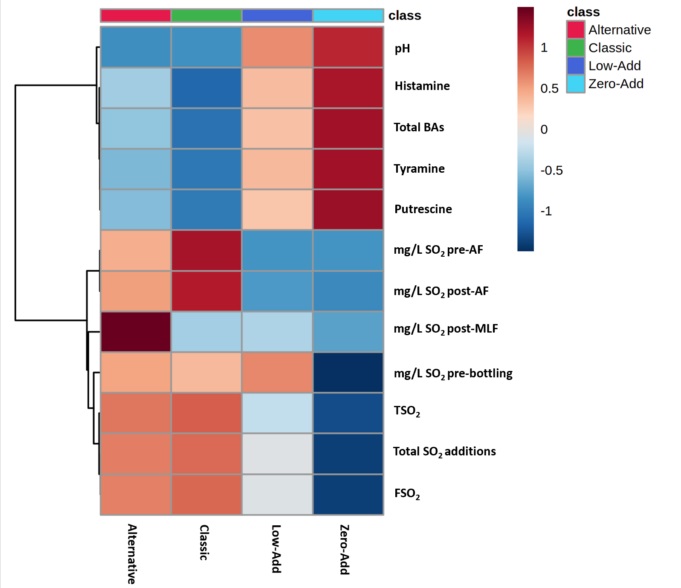
Sulfur & Wine – Misconceptions about Causes of Headaches and “Natural Wines”

Really well-written article on sulfur inclusion and the misconceptions surrounding the discussion. It is not the sulfur that causes headaches! Wines with zero sulfur inclusion are just a fad from the so-called “natural wine” trend being marketed today! For those that have not seen a fact-based explanation on this topic, enjoy:

Chemistry Does not Support Wine Headaches being Caused by Sulfur Addition

Really well-written article on sulfur inclusion and the misconceptions surrounding the discussion. It is not the sulfur that causes headaches! Wines with zero sulfur inclusion are just a fad from the so-called “natural wine” trend being marketed today! For those that have not seen a fact-based explanation on this topic, enjoy!

Comments Off on Sulfur & Wine – Misconceptions about Causes of Headaches and “Natural Wines”

Filed under Wine Education

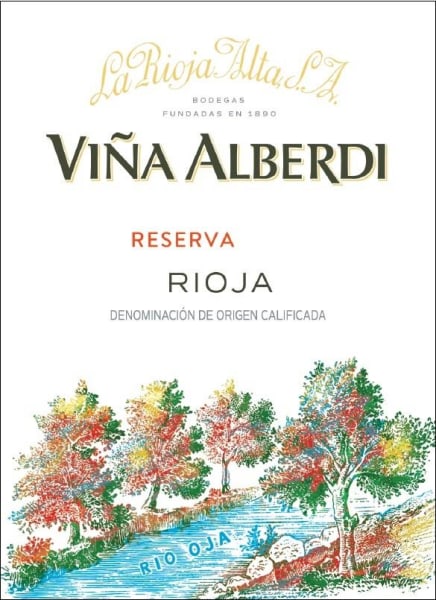
Bodega La Rioja Alta – Unmatched Value

I don’t normally go out of my way to write about any particular winery, but I was introduced to these wines several years ago and EVERY bottle I have tasted since has ranged from very good to spectacular. Disclosure: I have NOT been paid by any winery, broker, or distributor regarding this article.

This winery has a few different labels: Vina Alberdi, Vina Ardanza, Vina Arana and the flagship Gran Reservas – 890 & 904. The Alberdi has a street value of about $20-25 and the Ardanza and Arana are any where from $35 to $45/750ml. I have tasted the Ardanza and Arana in the past. Also beautiful wines, but different due to the varying varietal blends and the different aging profiles of Reserva and Gran Reserva. These other two wines represent outstanding value with exceptional quality too. The last two are much more expensive and represent their premium tier. If your not familiar with the Spanish aging classification system, see this link for an explanation: Spanish Wine Classification System.

I am done with over-extracted, high-alcohol fruit bombs from the Napa Valley floor and have moved up to the Napa mountain locations. I am also finding that Bordeaux is now going down that path too. In the past, I was able to find reasonably priced Bordeaux wines that were dependably lighter in body, but lately, not as much. This has led to too much wine poured down the drain. So, when I find wines like this, I want to share the info with other Old World style wine enthusiasts. This winery is no new player on the scene (established in 1890) and if any of you have explored Spanish wines, you will have run across them. I wanted to post this piece, because I feel it is my duty to amplify the word about cooler climate style wines, as they are not always easy to find in the U.S. On that topic, I usually prefer Spanish wines from the North-Western Rioja region, but especially the Rioja Alta around the Oja River Valley where the vineyards have some elevation. If you like more structure (especially acidity), keep an eye out. 2,000-3,000 ft. with a southern exposure is a good place to start. Much higher in this area and the fruit does not ripen properly.

I am rating this wine a bit higher than others, likely due to my preference for bright, fresh fruit. I am not a big fan of red wines with candied, jammy, or stewed fruit flavors. In particular, those wines that are strong with black currant, prune, or fig type flavors.

(I have discontinued my practice of scoring wines. Now, I rate wines as: poor, barely drinkable, drinkable, superior and excellent.)

2018 Vina Alberdi Crianza (Labeled Reserva in the U.S.)

Variety: 100% Tempranillo

Region: Rioja, Sub-Region: Rioja Alta

Rating: Superior

Tasting Note: Aromatic nose of sweet, fresh red fruit, oak, vanilla and earth. The wine is medium bodied, with high acidity and med+ soft tannin. Fruit-forward palate of fresh red and black cherry, black tea and olive tapenade, but not overly extracted. Mid-palate introduces the vanilla and oak and moves to a long earthy finish. Very well made and nicely balanced. Plenty of structure to pair well with red meat and red sauces, but fruit-forward enough to handle lighter fair such as pork, or cream sauces. This is still a young wine and could handle another 3-5 years of bottle age to integrate the oak more… and will improve. If you enjoy Old World style structure in a lighter bodied wine without overwhelming alcohol, at this price… this wine could easily be your go-to.

Comments Off on Bodega La Rioja Alta – Unmatched Value

Filed under Cool Climate Wine, Rioja Alta, Tempranillo, Wine Tasting, Wine Tasting Notes

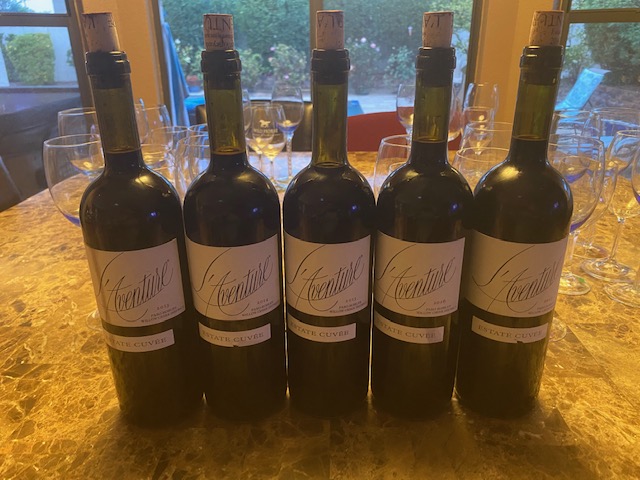
L’Aventure Estate Cuvee Five Year Vertical Tasting

Background

My personal history with L’Aventure goes back to the first winery visit in 2007, when my wife and I were blown away by the amazing balance and elegance Stephen Asseo (winemaker) was able to achieve with these crazy big Southern Rhone style wines. At over 16% (sometimes 17%) alcohol fruit bombs, he was somehow able to get just the right balanced mix of fruit, structure and alcohol to make it all work… and they were fabulous. The Estate Cuvee is the winery’s flagship wine and almost always a mix of the best estate Syrah, Cabernet Sauvignon and Petit Verdot in varying percentages, depending on vintage. Asseo was one of the first few in Paso to experiment with eliminating filtering/fining and the wines almost always have that opulent mouth-filling feel. This label is aged in 100% new french oak, integrating better in some vintages than others.

Scoring and Tasting Method

I am done with the attempt to achieve a fair systematic scoring method. So, I will continue to follow the WSET/UC Davis process, but I am done with both the 100 AND 20 point systems. Moving forward, I will only be rating (not scoring) wines with a simple five tier description: Poor, Barely Drinkable, Drinkable, Superior and Excellent. The basis of these ratings will be: balance, fruit character, acid/tannin and sugar/alcohol levels. I will always comment when appropriate on specific characteristics, such as harvest timing, winemaking style, cellaring potential, etc.

2013 – 2017 Vintages

I opened these bottles for a group of friends two hours in advance of the tasting, decanted and returned them to the bottle prior to serving. I poured a personal tasting to write my notes prior to the group arriving. I also opened a 2014 L’Aventure Cote-a-Cote as a comparison. All of the Estate Cuvee wines were generally similar in flavors, so I will not get too detailed with the notes. All of the wines generally tasted of blackberry and black currant fruit and had both high tannin and acid (surprising after the years of bottle age). The differences were primarily in character and balance. After developing first impressions, it became clear, these wines were NOT meant for cellaring. On release, I had thought there was plenty of structure to lay these wines down in my cellar, but I was mistaken and I will tell you why after I provide the tasting notes.

2013 Vintage

Rating: Superior

This wine had a very weak nose, with no fruit apparent. On the palate, it was slightly fruit-forward. The mid-palate was complex with savory leather, black tea and dark chocolate. The finish was medium+ in length. The alcohol was a big piece of the profile, but not completely overwhelming. The oak was well-integrated. After nine years in the bottle, the tannin and acid were still both high.

2014 Vintage

Rating: Drinkable

Aromatic fruity blackberry nose. On the palate, it was slightly fruit-forward. The mid-palate was a bit simpler than the 2013, but similar. The finish was medium+ in length. The alcohol was big. The oak showed a bit too much, but was reasonably integrated. The wine filled the mouth more than the 2013.

2015 Vintage

Rating: Poor

Medium fruity blackberry nose. On the palate, it was slightly fruit-forward. The mid-palate was the simpler leather and dark chocolate profile. The finish was long in length. The alcohol was overwhelming. The oak dominated the wine with very strong vanilla and brown butter flavors. The wine texture was very mouth-filling. The oak did not integrate at all in this vintage and this wine was enjoyed the least by us and our guests.

2016 Vintage

Rating: Drinkable

This wine had a weak nose. On the palate, it was slightly fruit-forward. The mid-palate was the simpler leather and dark chocolate profile. The finish was long in length. The alcohol was big. The oak showed a bit too much, but was reasonably integrated. The big mouthfeel was here too.

2017 Vintage

Rating: Superior

The nose was all alcohol, overwhelming any other character. On the palate, it was fruit-forward with blackberry, black currant and black plum. The mid-palate was all savory with leather, black tea and dark chocolate. The finish was very long. The alcohol was a big piece of the profile, but not completely overwhelming. The oak showed a bit too much, with nice sweet vanilla and was reasonably integrated.

2014 L’Aventure Cote-a-Cote

Rating: Excellent

This is L’Aventure’s Grenache dominated Southern Rhone blend (GSM), with: Grenache, Mourvedre and Syrah – percentages usually in that order. By the time we reached this wine, the group was a couple hours into the tasting and this wine was very welcome. It was very aromatic on the nose and the palate was fruit-forward, layered and balanced. The oak was very well integrated. The mouthfeel was wonderful: elegant and silky. This label handled the 8 years of bottle age extremely well. A very enjoyable and impressive bottling.

Impressions

When we tasted these wines on release, they all seemed to have enough structure (tannin/acid) to age well, but the balance presenting on release did not last well. The big fruit flavors when bottled dissipated too quickly, changing many of these Estate Cuvee wines into a disjointed jumble after five years. The other challenging element seemed to be integrating all that new oak. In some vintages showing well, in others not so much. I would not suggest holding the Estate Cuvee wines more than five years and would guess, three years would be better. Finally, it is clear the Cote-a-Cote and Optimus bottlings respond better to bottle aging and the one we tasted on this night was excellent!

Comments Off on L’Aventure Estate Cuvee Five Year Vertical Tasting

Filed under Misc. Red Blend, Paso Robles, Wine Collecting, Wine Education, Wine Tasting, Wine Tasting Notes

Are Wine Scores Fake?

This topic has been controversial since the tasting in Judgement of Paris back in 1976 (see movie Bottleshock). A related topic would be the controversy surrounding the “Parkerization” of wine. Read about this issue here: Wikipedia Link. There have been books and movies on both topics. The discussion is certainly fun, but way more controversial in real-life than it should be.

Recent Articles

I had this article brought to my attention recently: https://asteriskmag.com/issues/1/is-wine-fake. With some recent commentary from other wine writers: https://foodandwineaesthetics.com/2022/11/29/wine-tasting-and-expertise/#comment-73146. If you find this topic even mildly interesting, I would take a look at these. The whole issue is really one big joke perpetrated on wine consumers for marketing and profit. It could be a serious topic, but there are none in the industry interested in going down that path. Here is my take…

Wine Judging / Scoring

As a wine enthusiast who usually tastes blind (having a trained/experienced palate), I don’t understand the continuing controversy on this topic. The studies done have all been ridiculously skewed. The controversy seems to rise mostly because the average person simply cannot believe some wine snob in a suit can taste a wine blind and tell you the varietal, location, vintage, vineyard name, etc. I can tell you personally, it is very real, but takes decades of training, experience and practice. Training and experience matter in any profession and yes – wine IS a profession (see Sommelier here: Wikipedia Link). Does that mean this same guy could guess at the wine I would enjoy without him evaluating my taste in wine? Definitely NO! So, why do consumers put so much credence in scores by wine writers? Well, what other measure does the average consumer have to select a wine from thousands available (there are other options)? I buy and consume large quantities of wine and enjoy it very much! Many of us think of great food and wine as a fabulous lifestyle (no denial here). All this wine I drink, training I have had… do you think my idea of a good wine qualifies me to recommend a wine to someone I don’t know? The average consumer sifting through 100’s of wine scores is just wasting time. Perhaps, if you spent the time to learn a particular wine critic’s palate… but how many would take the time?

… But, the Studies!

If you read the articles linked to this commentary above, a big piece of the discussion is price. Are expensive wines necessarily better wines? The unqualified answer is positively NO! Can you impress a guest at a fine dining restaurant by ordering an expensive bottle of wine? Likely yes, and there in lies the rub. Price is often confused with quality in many product categories, but whether you personally would enjoy any given wine has nothing to do with its cost. I have written much on the topic of how to evaluate your own palate in past articles for anyone who has an interest. Just remember an important piece to this discussion, the average consumer is likely to enjoy many average priced wines and could likely not tell the difference. I can tell you definitely, my taste in wine is very, very different from most of my friends. Just because I have wine training and experience, does that mean you should like what I like? Think about it…

Can the Topic be a Serious Discussion?

What really matters in evaluating a wine for the general public is: is it faulted? is it balanced? is it made for cellaring? will it pair well with foods? etc. A few other general measures: is it fruity/savory? is it acidic? is it sweet? is it drying in the mouth? So, why don’t critics talk about these characteristics more generally, instead of sharing a score with a flowery completely worthless description attached? It won’t sell Wine Enthusiast ™ magazines! Personally, I am so tired of pro critics scores and notes! So, spend what you can afford, drink what you like and enjoy the wine with your favorite foods! Here is to hoping the media does not trap you with all this nonsense!

2 Comments

Filed under Wine Critics, Wine Education, Wine Industry, Wine Marketing, Wine Tasting

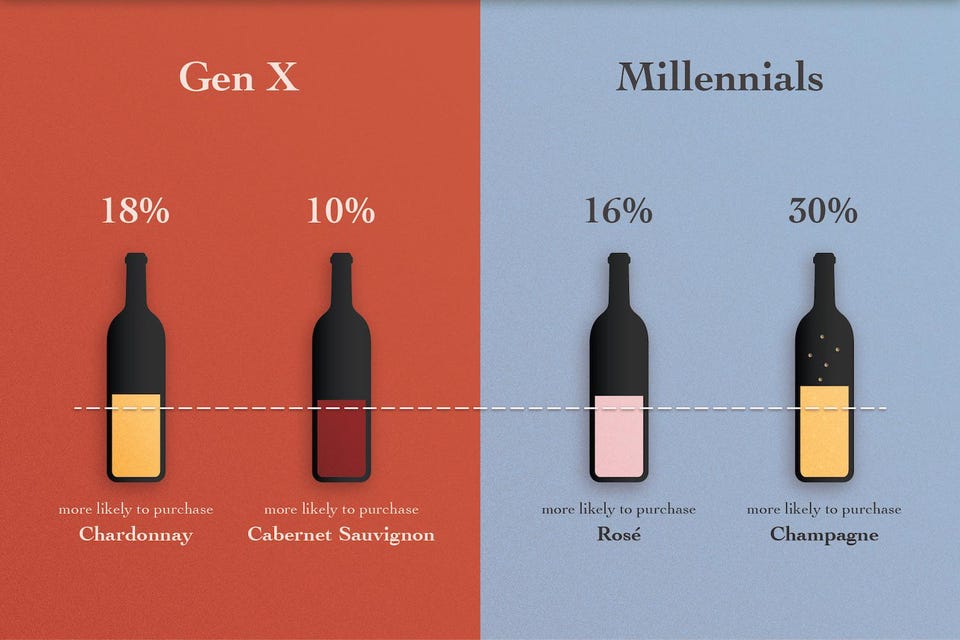
Millennials & Gen Z are Changing the Wine Industry

Courtesy of Wine Access

My wife and I enjoyed our first wine trip since COVID recently. We spent a week traveling through the Central Coast AVA in California, focusing on the newer wineries with higher professional critic scores. Having completed a large sampling, I found some interesting trends.

Demand for Boomer Wine Profiles is Diminishing

I asked a couple common questions of each tasting room manager:

  • Are you noticing changing wine preferences recently?
  • What wines are younger customers preferring and why?

Surprisingly, the answers were fairly consistent. By the end of the trip, a wine strategy seemed to be emerging. The typical Baby Boomer generation red wine style was not as popular as in the past… fruity, easy drinking (low-med acid/low tannin), lots of toasted oak and 15% alcohol. What I have come to call the “Caymus Profile”. In response to changing demand, a new profile seemed to be emerging…

Wineries are Changing Wine to Match Younger Palates

Most wineries were developing a two tier offering based on generational preferences:

  • Regular Release wines for Millennials and Gen Z at a lower price point and Reserve Release wines for Boomers at a higher price point. The younger generations were looking for Rose and Sparkling options.
  • The more raucous younger customers were visiting tasting rooms on the weekends and the older customers were staying away at those times and visiting during the week.
  • Wines for Millennials and Gen Z were focusing on a new profile: 13-14% alcohol, high acid, low tannin and no oak. I have never seen so many red wines fermented and aged in concrete as on this trip… or so much neutral oak.
  • The old Boomer wine profile (defined above), was being saved for the older guests, more able to spend on the pricier option.

The younger wine profile worked for me, but would not be appropriate for bottle aging more than five years. The tasting managers laughed at me when I asked about wines for cellaring. Hard to argue, as the numbers are clear: 92-95% of all wine purchased is consumed in less than 48 hours. Any wine where the tannin level went up and seemed more ageable… I found myself wishing for oak.

Boomer Style Wines are not Going Away… Yet

We stopped in at a few of the older profile wineries: Justin, Herman Story, Beckmen. A full line-up of the wines I am used to. The Boomer profile has not been my preference, so the last 10 years my red wine purchases from Italy and France have increased. More along the lines of: high acid, med+ tannin, 25-50% new French or Hungarian oak and 13-14% alcohol. This matches my palate better. Oak barrels are expensive and are usually rotated through a max of three vintages and then discarded, while concrete containers can be re-used virtually forever. Red wines aged in concrete will change the cost calculation for wine substantially.

The Future of U.S. Wine

As Boomer generation wine consumption continues to fall, Millennials and Gen Z palates will drive the industry. Younger generations tend to drink more wine without food, than with… so, the wine industry will come under increasing pressure to compete with hard seltzers, ciders and cocktail beverage options. You would think this trend would be driving per bottle pricing down… but the data shows that Gen Z (especially) is much more adventurous in their wine consumption and is actually spending more per bottle than the current average. These are interesting times for the wine industry and some wineries are responding to these new trends – as growth in wine consumption slows in the U.S. Let me know if any of you are noticing these same trends. Happy Holidays!

Comments Off on Millennials & Gen Z are Changing the Wine Industry

Filed under Paso Robles, Santa Barbara County, U.S. Wines by Region, Wine Education, Wine Industry, Wine Tasting

Wine Tasting AI Software: Possible to Predict Which Wines You Will Prefer?

This pic and the reason for this piece came from a recent article posted at a wine media outlet called the Wine Industry Network here is the link: Predicting Palates: Can Artificial Intelligence Improve Wine Buying? – Wine Industry Advisor. I typically enjoy this website. The author piqued my interest and I decided to dive deeper. I felt the article needed more perspective. This topic really requires an effort to validate the solution, to have relevance.

Past and Future Attempts at Wine AI

This particular software branded as “Tasty” by name is similar in concept to others like “Quini” (if not in process), all have one very major flaw… Very few consumers have the trained palate and sensory awareness required to describe what they are tasting and how they perceive the wine components. I have been approached by software developers before and none had an appreciation for a trained palate and what it brings. These techno driven business models providing wine related services are all smoke and mirrors. Sounds great, until you dive a little deeper and find the missing piece. The idea that a straight chemical analysis, or even an analyzed database of wine tasting notes could provide any real insight into how wine is perceived by the human palate is misguided. Software can certainly accumulate, organize and label wine data, but how does that data have any relevance – unless it is filtered through human perception?

What Is Missing?

I have put some thought into this before and shared those ideas with other software developers in the past. The baseline in the software database must be established with trained professionals first – and not with WSET 4, MW, or CSW certified pros. The calibration has to be with Master Somms (MS) who evaluate consumer palates in restaurants on a daily basis. Once the underlying premise is established and the work is done to connect the human palate (sensory experience) to the chemical evaluation, the concept still requires a short consumer educational program to provide a shared vocabulary. That vocabulary is the vehicle for the shared human wine experience. Which words are chosen to describe each individual sensory experience? Is there a common understanding of what flavors/components they represent? I have yet to be introduced to software that attempts to address these concerns. Without that effort, the whole endeavor is a major waste of time and money.

Am I Biased?

I don’t think so. Regardless of my Somm training, I make my primary living in the technology and automation field. Perhaps that background gives me a little authority here. I most definitely believe the goal of these “AI” software products is achievable, it just requires more trade awareness to succeed.

Comments Off on Wine Tasting AI Software: Possible to Predict Which Wines You Will Prefer?

Filed under Wine Education, Wine Industry, Wine Marketing, Wine Tasting

Italian Educational Wine Tasting

Exploration of Premium Sangiovese Wines, Outside of Montalcino

New Communes (sub-regions) Established by Statute in Italy

The trend in Italy the last two years has been to establish new wine sub-regions in existing wine areas. Historic Sangiovese wine growing regions are being significantly impacted. I have not explored Sangiovese in this kind of depth before, outside of Montalcino (Brunello, Sangiovese clone). Certainly, nothing like the effort I have put into Cabernet Sauvignon, and Syrah. These recent changes in Italian wine laws had me wondering: could there be enough unique wine character from Sangiovese to justify this many new sub-regions in Central Italy?

**I had a reader ask me to explain what these new changes were about, so I have added a link to this article from JancisRobinson.com with more detail: https://www.jancisrobinson.com/articles/chianti-classico-caves-subzones.**

Can Italian Terroir Produce Sangiovese Wines Different Enough to Justify The Changes?

I decided to investigate this idea with a group of wine collector friends I meet with regularly. In the beginning of the year, I began looking through all the U.S. wine auctions trying to find 10 year old Sangiovese wines from various Italian regions outside of Montalcino (Brunello). To give this a fair evaluation, 10 years of bottle age seemed as if it might be close to the optimum drinking window for these wines. I wanted to taste the best potential versions of these wines for the comparison. While doing the research, I found a couple of U.S. made Sangiovese wines from respected producers and thought it would be fun to add these to the comparison. The tasting was held in my home just this last weekend and produced interesting results. There were a few disagreements across the group, but generally our impressions were similar enough. Here are my notes and scoring in the order of my best score first. I did not take detailed tasting notes, but did record my overall impressions.

Nobile di Montepulciano – Montepulciano Region, Italy

#1) 2012 Avignonesi Grandi Annate – 94/100 pts

This region is just east of Montalcino. Don’t get it confused with Montepulciano d’Abruzzo. That is a completely different region and grape variety. Through history, this area has been well-known for the quality of its wine production, often just called “Nobile”. Thomas Jefferson mentioned this area as his favorite wine region.

Wine Notes

This was very near a great wine, quality on the order of the bordeaux style wines produced nearby in Bolgheri. It was nicely balanced, with fruit, acidity and tannin in roughly equal measure. Just enough fruit to enjoy on its own and just enough acid/tannin to work paired with foods. It was not big and structured like many of the Chianti area wines I have tasted. It had a lighter feel with a perceived finesse. The flavor profile was typical Sangiovese red cherry, but only slightly tart. This was an impressive effort for a 100% Sangiovese. This wine could make you believe Sangiovese deserves a place as one of the world’s great varietals.

Radda – Chianti Classico Region, Italy

#2) 2011 San Giusto a Rentennano Percarlo – 93/100

This is one of the better-known Sangiovese labels, from one of the most respected Chianti Classico wineries. 100% Sangiovese from the selected best fruit of the Tuscany region. This is not your typical Chianti Classico wine. 30+ day maceration, 30+ day ferment in concrete tanks, 20+ months in French oak barrels and 18+ months in bottle in the producer’s cellar. 3.5+ years before release… That attention to detail built an excellent wine, if not a wine that could carry the DOCG label. This wine is a definite example of why Italian IGT does NOT mean an inferior wine. Not sure the value was as special, but the wine was excellent and another great example of what Sangiovese wine can be in the right hands.

Wine Notes

This was a very similar wine to #1 above, but not quite as refined. The finesse was evident here too, but not quite the same mouth-feel and therefore one point less.

Montecucco – Maremma Region, Italy

#3) 2010 Amantis Birbanera Montecucco Rosso Riserva – 93/100

This was the surprise of the evening for me. Over 60% Sangio, 20% Merlot and a few percent of these: Canaiolo, Colorino, Petit Verdot. This area is viewed as “up and coming” and is just Southwest of Montalcino. Maremma is the younger brother of the Bolgheri region and the area has been making great value IGT bordeaux style blends for some time now.

Wine Notes

This was nothing like the first two wines, complex and layered with high acidity. Fruit-forward but not extracted, this hit the sweet spot for an Old World wine that could appeal to a New World palate. Of course, they had the luxury of blending varieties here and that can make a difference with the right winemaker. With reasonable value, I will be keeping an eye out for this producer in the future.

Napa Region, USA

#4) 2011 Biale Sangiovese Nonna Vineyard – 91/100

The two most well-known Sangiovese wines in Napa are this and the Del Dotto bottlings. The winery was kind enough to sell us a bottle from their library specifically for this tasting! This winery operated through prohibition and this particular wine has a family history, the vineyard was planted by the current owner’s grandmother.

Wine Notes

This was the softest of the wines tasted. The mouth-feel was excellent and was definitely still fruit-forward after 11 years in the bottle. It was light on acidity at medium-minus and had medium tannin. This was an enjoyable wine. It had just enough Old World character to identify as such. This is another of those wines that may have been better a few years ago. Not past its drinking window, but perhaps nearing it.

Montefalco – Umbria Region, Italy

#5) 2012 Adanti Montefalco Rosso Riserva – 91/100

This area is in Umbria and while the area is known for its Sagrantino DOC, it has its own denomination for its Rosso DOC that must be no more than 25% Sagrantino and no less than 60% Sangiovese. This bottling also had 20% Merlot. This was a powerhouse wine, even after 10 years in the bottle. The Sangiovese dominates, but the Sagrantino pulled it towards a Southern Rhone type feel. I really enjoy Sagrantino wines and if you haven’t tried one, you should track down a good example to enjoy for yourself.

Wine Notes

This was a bold, fruity wine, with medium plus acidity and tannin. Old World wine drinkers may find this a bit too extracted for their palate, but this was balanced enough not to feel hit over the head with too much oak, or too much fruit like many modern day Napa Cab Sauv’s.

Colli Fiorentini – Chianti Region, Italy

#6) 2013 Torre a Cona Badia a Corte Riserva – 89/100

This is a highly regarded sub-region of Chianti that now has its own denomination. This bottling is typically 100% Sangiovese. The area is North of Chianti Classico and attempts to focus on lighter, aromatic versions of Sangiovese.

Wine Notes

This is another wine that may have been better had we opened it a few years ago. Lighter styles of wine can sometimes be limited in their capacity for bottle aging. This wine was a reasonable representative of a typical Chianti, but was too disjointed. It showed too much tannin and acid for its age and the fruit and mouth-feel weren’t there to round out the package. Would have been great with a tomato based pasta dish, but was lacking on its own.

Walla Walla Region, USA

#7) 2011 Leonetti Sangiovese – 89/100

This is a well-known premium bordeaux style producer in Washington state. Their Sangiovese label is grown and produced every year in Walla Walla and this was the most expensive bottle of wine in the group. The wine is 87% Sangiovese and 13% Syrah.

Wine Notes

This reminded me of a better than average typical Italian Chianti. Very “one-note”, but definitely varietally-correct. Not as soft as the other U.S. wine we tasted. Would have been a good food wine, but certainly nothing special to mention.

Greve – Chianti Classico Region, Italy

#8) 2010 Podere Poggio Scalette Il Carbonaione – 88/100
This winery is well-respected for its Tuscany styled IGT blended wines. This bottling was 100% Sangiovese from several vineyards located in Greve. Not sure why this needed an IGT designation, instead of DOCG. This area now has their own regional denomination.

Wine Notes

This was an uninspiring average Italian Chianti. With age, it had lost its fruit and was thin with nothing to balance out the acid and tannin. Not undrinkable, but given the choice, would prefer a different wine.

Observations & Conclusions

The differences between these wines had more to do with winemaking style and blending varieties, than the Sangiovese fruit itself. Although, there was enough diversity to claim we experienced various different styles of Sangiovese dominated wines. There is more to “terroir” than just soil and climate. If other contributing factors define these regions as unique, so be it. There is a clear marketing advantage to differentiating these wine “communes” and promoting a specific regional style. It will remain to be seen whether all these new sub-regions will be justified in the long-run, or the average wine enthusiast will just find it too confusing to care. I have mentioned DOC, DOCG and IGT classifications several times in this article. If you would like a quick explanation, here is a link: Wine-Searcher – Wine Labels Italy

Here are a few conclusions I drew from the tasting:

  • Sangiovese fruit alone may not show enough diversity at the premium level to support this many different style designations. Although, the Brunello clone grown in Montalcino is certainly a cut above the others.
  • Sangiovese is a fabulous blending grape. It carries structure with it, high acidity and tannin, if the winemaking style allows it.
  • In the U.S., we do produce Old World style Sangiovese wine that compares well with the Italian labels.
  • Finally, generally Sangiovese wine can be made with finesse. Not sure what I was expecting, but I did not anticipate the subtler wines we found in this tasting.

Comments Off on Italian Educational Wine Tasting

Filed under Chianti Classico, Italian Wine, Napa Valley, Sangiovese, Toscana, Walla Walla Valley, Wine Collecting, Wine Education, Wine Marketing, Wine Tasting, Wine Tasting Notes