Please follow my winemaker interview series! You can find this interview at the following link:
Comments Off on Winemaker Interview – Todd Anderson of Anderson’s Conn Valley Vineyards (ACVV)
Filed under Cabernet Sauvignon, Napa Valley, U.S. Wines by Region, Wine by Varietal, Wine Industry, Wine Tasting, Wine Tasting Notes, Winemaker Interview
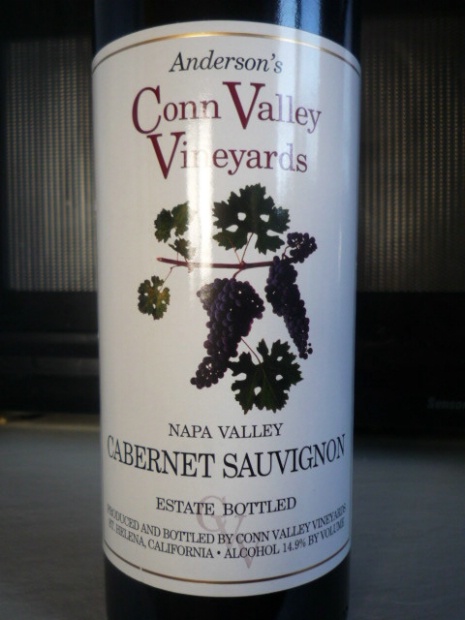
Drank over a four hour decant. Nose after pour is full of menthol and alcohol that almost masks the other more subtle notes of black plum and currant with tobacco. The acidity is very high… a definite food wine, needing red meat, or ribs. The texture fills the mouth with chewy tannins that are soft, but a touch rustic. This wine needs time to decant. After an hour decant, still shows big alcohol and menthol – overpowering the cherry and raspberry peaking through. After three hours, the alcohol has blown off and subtler notes appear. The fruit has moved forward and the plum and currant are now dominating. The menthol is now a subtle after-taste. The mid-palate has tobacco, oak and vanilla moving to a dark chocolate finish that turns a touch bitter and lasts forever… This is a premium Napa Cabernet showing its chops. For those that love the Napa Cab experience, this is an excellent example of one of the best. Another year, or two in the bottle and this wine will be ready to drink. Suggested optimum drinking window: 2016-2018.
Comments Off on 2007 Anderson’s Conn Valley Vineyards Cabernet Sauvignon
Filed under Cabernet Sauvignon, Napa Valley, U.S. Wines by Region, Wine Tasting
Comments Off on Winemaker Interview – Kathleen Inman of Inman Family Wines
Filed under Wine Tasting, Winemaker Interview

Initial taste is hot and alcoholic, watery and missing fruit. After a 90 minute decant – the wine has evolved into a beautiful aged Cabernet Sauvignon blend. The alcohol has blown off, the tannins are soft and dusty and the blackberry and black currant is in front. A definite Dr. Jekyll and Mr. Hyde experience! This is the third 10-15 year-old premium Napa Cab I have tasted this year, and the experience has been similar. These older Napa cabs need time to open… The nose is still hot, but the fruit is prominent, with leather and loamy earth. The palate is fruit forward now, but is typical of an older wine: missing the fresh fruit, but not oxidized yet. The mid-palate has leather, oak, spice and earth with a medium-long finish of dark chocolate. The acidity is high and the tannins are very soft and subdued. The structure is solid, but the balance is a touch off. A few years earlier and the additional fruit might have offset the high acidity and alcohol. I found this enjoyable paired with a meat and cheese plate…
Had to add this postscript:
After 4 hour decant – Oh my gosh! The fruit is turning red and becoming sour raspberry. The tannins have completely resolved, but the wine is moving towards a velvet texture. The acidity has calmed down. A great example of a balanced profile. Just fantastic aged red wine! Is there enough fruit to put another 3-5 years of bottle age on this, I hope so… I have one last bottle…
Comments Off on 2004 Pahlmeyer Winery Jayson Red Blend
Filed under Bordeaux/Meritage Blend, Napa Valley, U.S. Wines by Region, Wine Tasting, Wine Tasting Notes
Comments Off on Winemaker Interview – Bill Nancarrow of Goosecross Cellars
Filed under Wine Tasting

The alcohol is blowing off now. The nose is of black plum and blackberry, with strong cinnamon and clove spice character. Rather simple on the palate. The fruit is subdued, but in front still, with a mid-palate of powerful clove. The medium length finish is a mild, bitter dark chocolate. The bitterness becomes sour at the very end. The tannins are still present, but minimal and the acidity is still medium high. I was disappointed by the texture. The mouth-feel was a touch watery. This is a few years past its prime. This is not tasting oxidized yet. Still enjoyable and will definitely pair well with the beef that will be accompanying it.
The wine is still changing. The fruit is continuing to subside on the palate, but adding sour strawberry. The texture is continuing to evolve. The finish is lengthening and adding black pepper. The tannins are becoming a bit chewy. The acidity is becoming more prominent and the mouth-feel is building softness. Patience is paying off and the potential of this wine is starting to peak out. Amazing that a 15 year old bottle of wine can continue to evolve for two hours in the decanter!
Comments Off on 1999 Duckhorn Vineyards Merlot Three Palms Vineyard
Filed under Merlot, Napa Valley, U.S. Wines by Region, Wine by Varietal, Wine Tasting, Wine Tasting Notes
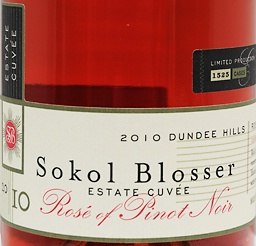
I was looking at some recent tasting notes on this wine and I definitely have a different view. There are those that record the gradual loss of fruit in a white/rose wine as a marker of the descent into oxidization and eventual fault. I don’t understand this thinking. Wine does not need to be a fruit bomb to be appreciated. In many quality wines, bottle age promotes balance and softens structure – qualities I enjoy very much. Apparently, this thinking does not follow the palate of many wine consumers. I prefer some bottle-age on fine whites and rose! Take a well made white/rose with solid acidity, nice texture, lower alcohol, a minimum of oak and without any one characteristic overpowering the other… put some age on it and I am sold! Doesn’t matter whether white, rose, or bubbly. The right wines almost always do improve. So, this one knocked my socks off! It is a different tasting experience than the first bottle back in 2011. Beautiful, delicate nose of strawberry, hay and herbal mint. The palate is losing the fruit, but still begins with tart strawberry and now just a hint of watermelon. A touch of butter comes through from the lees. The huge acidity has toned down a bit, but still assertive enough to surpass most of the rose I taste. This is wonderfully dry, with enough fruit to mask any bitterness. The texture on this rose is wonderful! What the winemaker did with leaving this on the lees to age for a time before bottling, is almost god-like in its brilliance. IMO, the optimal window for drinking this wine is 2014-2015. Don’t let it sit much longer, or too much of the fruit will resolve. What a great value in Rose! Oregon shines again!

This is a monster cab. If you are a big Robert Parker fan, this is his kind of wine. Initially, the nose was hot and a bit funky with a very closed flavor profile. For an 8-year-old cab, this wine is STILL drinking very young. After 3 hour decant… Much of the alcohol has blown off now, but is still present. The nose has plum, blackberry, a touch of herbaceousness and menthol. It has a very complex palate of typical Cabernet Sauvignon flavors – black fruit, leather, tar, graphite, dark chocolate and oak. The wine shows a very long bitter chocolate finish. The age has resolved the tannins somewhat and they are now medium-high, but still a bit grainy. The wine is very acidic and would be best drunk accompanying a rare steak. The texture is full, fleshy and soft. This needs more time in the bottle to come together. I am looking forward to popping the next bottle after several more years. This wine has plenty of structure to hold up into the next decade. A suggested prime drinking window might be 2017-2020.
Comments Off on 2006 Seavey Vineyards Cabernet Sauvignon Caravina
Filed under Cabernet Sauvignon, Napa Valley, U.S. Wines by Region, Wine Tasting, Wine Tasting Notes
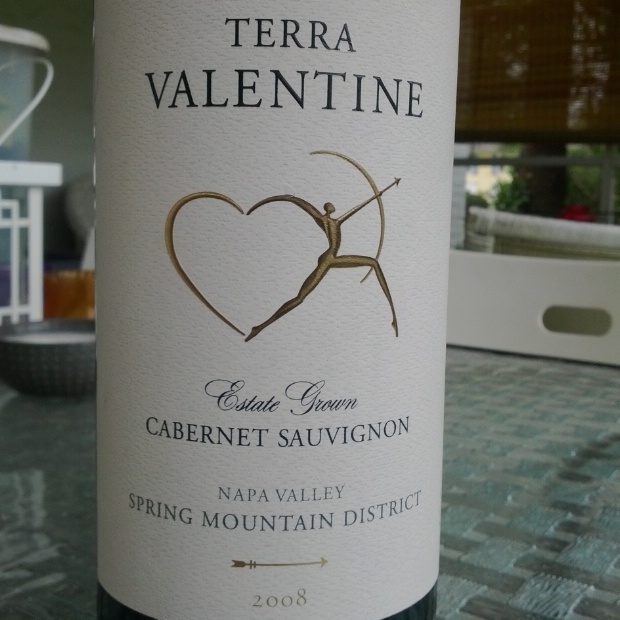
My wife and I really appreciate the producers on Spring Mountain. If your wine nirvana is mountain grown Cabernet Sauvignon, Spring Mountain will be one of your go-to AVA’s (wine growing region). We have been meaning to try Terra Valentine for quite some time. We see their sign every time down the mountain from Pride Mountain Vineyards… On our last visit, we spoke to the family over at Schweiger and they shared the story of the Wine Growers Association’s effort to keep resort development out of the Spring Mountain area. A great story of family owned wineries who love the beauty and character of their home, trying to keep it that way. The fight prompted an agreement between the wineries to allow a last right of refusal – in case of a principal’s death, the surviving winery owners would be able to purchase the land, before a sale to an outside party. I have not been able to confirm this, but I hope it is true.
Fruit forward nose with black plum, blackberry, mint, cinnamon, oak and alcohol. On the palate, this has not quite come together yet. Needs another 2-3 years in the bottle to hit its stride. Good structure, high tannins and medium-high acidity… plenty of mojo for continued bottle aging. I would put the prime drinking window at 2016 – 2019. This is moving towards a silky texture and soft tannins… I will try my other bottle in a couple of years. Strong fruit forward flavors of black fruits that follow the nose. Really enjoy the mid-palate of cinammon, vanilla, leather and a touch of mint that comes through. The oak is present, but does not overpower. A bit of milk chocolate on the finish, but it is weak. Perhaps it will improve as the fruit calms down and the tannins soften. At $30/btl. this is a great wine value from Spring Mountain Estate fruit!
Comments Off on 2008 Terra Valentine Estate Cabernet Sauvignon
Filed under Cabernet Sauvignon, Napa Valley, Spring Mountain, U.S. Wines by Region, Wine by Varietal, Wine Tasting, Wine Tasting Notes
The number of different wines out there is daunting! Just walk into any wine shop (heaven forbid a Total Wine) and your first thought is: there are hundreds (if not thousands) of wines to choose from. How do I make a decision and who knows if I will enjoy it? When I first decided to explore wine, it killed me to think of wasting good money on lousy wine… just to find a few I liked. It became very clear to me that price had no correlation to matching my taste. I would guess many of you feel the same way. So… to lessen the pain, you limit yourself to trying wines by the glass at wine bars, or attend tastings at wine shops and/or even travel to wine country to hit the tasting rooms.
The first step is to learn your palate… Do you enjoy red fruit, or black fruit flavors? Do silky, or velvety textures appeal to you? Do you enjoy some astringency in the wine? Do you drink wine by itself, or with meals? Do you prefer slightly sweet, or dry wines? Taking the time to review and decide what you like, will go a long way towards helping you select wines to try.
This can get very involved depending on your level of wine knowledge, but lets pare it down to the easiest, simplest strategies:
Many winemakers will allow each vintage of fruit to drive the wine. Some prefer to add wood, spice and vanilla flavors by selecting certain species of oak for aging. While still others will try to make the wine fruitier with whole cluster fermentation, or extended maceration. The processes really don’t matter though. Find what you like, identify the winemaker and track their labels. You will be more likely to find wines you enjoy this way.
Classic examples are:
Sauv Blanc from New Zealand typically has tropical fruit flavors, while the NorCal Sauvs are more citrusy.
Syrah dominated wines from the Northern Rhone typically have lower alcohol, are inky, with tar, floral and olive tapenade flavors added to the black fruit, while Southern Rhones are very fruity, with high alcohol, highly textured and likely to have more red, or blue fruit flavors.
Red wines from Rutherford in Napa have an interesting dusty characteristic many find enjoyable.
Again, the specifics do not matter. If you enjoy wines from a specific region, selecting others from the same region will enhance your chances of hitting on wines you can appreciate.
This is my favorite! The fruit from different vineyards makes wines taste VERY different. Examples of this are:
Cool, coastal vineyards tend to add acidity and structure. Early morning fog at inland vineyards can have the same affect.
Chalky soils can add a mineral aspect to wine – like the Chalk Hill area in Sonoma. Slate can add a flinty component like Riesling from the Mosel.
I regularly seek out wines made from vineyards whose flavors/characteristics I enjoy. It is a sound strategy for finding wines you have a better chance to appreciate.
This is the most obvious. I am sure all of you have settled on grape varieties you prefer, but this is also the least reliable strategy. There can be so much variation within wines from even the same varietal, it does not provide a dependable method for choosing wines to enjoy.
As you find success, you will notice it becomes easier to select wines to try. I have been using these strategies (and more) for many years. I am now comfortably buying wines I have not tasted via the internet and taking advantage of overstock and clearance pricing. I am hoping these ideas will help to end your waste of good money for lousy wine. Good luck and may you find many enjoyable, reasonably priced wines in your future!
Filed under Wine Collecting, Wine Education, Wine Tasting




 Cool Climate Wine