Monthly Archives: October 2021

Food, Wine and Climate Change

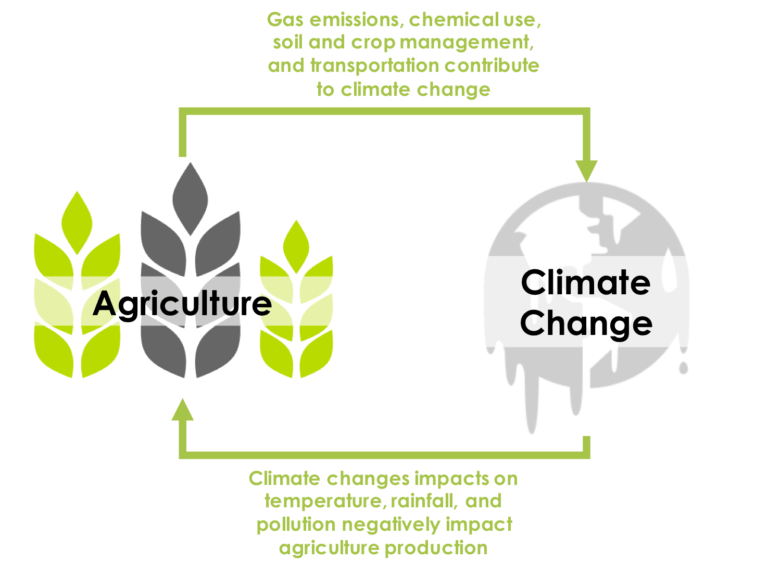
Harvard Business School Graphic
(Harvard Business School Reference Material)

Wine and Food Products by Location

The importance of climate in vineyard management can not be over-stated. The entire European culinary and beverage marketing model establishes food/wine character BY LOCATION. This European developed idea to turn place-names into unique trademarks defining specific flavors and aromas has been the cornerstone of worldwide food and wine marketing for decades. The same thinking caused governments to establish laws and trademark protections for food and wine production. Wine laws arguably could be the most stringent. Here are a few of the most famous wine examples: American Viticultural Area (AVA) in the U.S., Appellation d’Origine Contrôlée (AOC) in France and Denominazione di Origine Controllata (DOC) in Italy. This concept also applies to specialty foods: Parmesan Reggiano cheese may only come from Parma, Reggio Emilia, Modena and Bologna, IT, Roquefort cheese can only be made in Roquefort, FR, Prosciutto de Parma can only be made in Parma, IT, etc. If you have never tasted these original foods (and not imitations), you need to splurge a little and buy these imported products. The difference in flavor is astonishing.

Impact of Climate Change on Wine Production

The French terroir concept is the basis of this wine marketing by area idea and has been developing for hundreds of years in Europe. It is the primary driving factor behind the establishment of wine laws controlling vineyard and winemaking practices by location. The definition of Terroir:

Complete natural environment in which a particular wine is produced, including factors such as soil, topography, and climate. – AND / OR – The characteristic taste and flavor imparted to a wine by the environment in which it is produced.

(Oxford Dictionary)

Climate has a direct impact on the terroir idea defined above. It affects many choices for producers, ie. grape varietals to plant, when to harvest, control of crop size, how to water, conditioning/fertilizing of soil, etc. All of these affect wine character, flavors and aromas. So, what is coming for the wine and food industries due to climate change? Hang on… crystal ball is out, here we go…

Vineyards and Resulting Wine by Location

Common thinking has been that vineyards should be planted between the 30th and 50th parallels (latitude) around the globe, both northern and southern hemispheres. Cool climate reds like pinot noir often are best grown near the 45th parallel and warm climate reds like nero d’avola and shiraz near the 35th. Cool climate whites like riesling are often grown near the 50th parallel (ripening reliably compared to past) and warm climate like petit manseng near the 35th. Vineyard elevation can affect this range, but only minimally. The impact is not just temps, but also length and intensity of sunlight during the growing season.

The most consumed varietals in the world: cabernet sauvignon and chardonnay are best grown in a much narrower range: 40-45th parallel. Why is this important? What if the most famous cab sauv growing region in the world (Bordeaux, France) became too hot for premium cab sauv wine production? Would these producers accept: producing poor quality wine, over-manipulate the wine to change its character, or tear out cab sauv vines and plant warmer climate varietals like aglianico and petit sirah? French wine laws would fall apart with any of these options and as a result wine consumers might change their ideas about where the best wines in the world are produced.

Climate Impact on Commonly Grown Wine Grapes

When cab sauv is grown in cooler areas, the wine acquires vegetal flavors: green bellpepper and tomato are common. When chardonnay is grown in warmer climates, it becomes too fruity and loses it signature acidity. What would happen if Burgundy, France became too warm to grow quality pinot noir, or Napa, CA became too warm for cab sauv? The transition has already begun… I have been collecting and tasting wine since the 90’s and red burgundy has become fruitier and Napa reds have become flabbier. Many Napa producers have already begun manipulating their wines to adjust for the differences. One option is to harvest earlier, but then the pips (seeds) are not allowed to ripen and complex flavors are lost. In Napa, where the area’s signature cab sauv is very fruity, this option would change the whole character of the regions’ wine production.

Changes and Timelines

Climate change has been slowly accelerating, but still is not likely to have a serious impact on wine in my lifetime. Although, consider this thought: a wine vineyard requires 5-10 years to fully mature and begin producing premium fruit for wine production. This requires thinking in terms of decades, not years. The last 25 years of climate change has seen a noticeable difference in the character of wine in many regions. Not enough to change the wine industry substantially, but at this rate, what will another 25 years bring? Will vineyard managers have the vision to react in advance, when there is still time to save the current wine styles of today? Will the industry opt to tear-out current vineyards and replant warmer climate grape varietals, or decide to abandon warming vineyard sites for planting in cooler climate areas farther north? It is likely to be too expensive to abandon existing vineyard sites… so my crystal ball shows the younger generations of wine drinkers adapting to Petit Sirah and Petit Manseng…

This has been a very interesting topic. If others in the trade have different ideas regarding the impact of climate change on the industry, please drop me a note. I am always curious about new strategies… and no, please do not suggest adding citric acid to the final product, thank you…

Comments Off on Food, Wine and Climate Change

Filed under Cool Climate Wine, Wine Education, Wine Industry, Wine Marketing, Wine Tasting

Austrian Wine Scandals

The Most Horrific Wine Event of the 20th Century

I was reading a recent Meininger Wine Business Report and found this piece: https://www.wine-business-international.com/wine/news/wine-adulteration-austria.

For those that are not familiar with Austria and its history with wine, this article will familiarize you with the 1985 scandal when millions of bottles for domestic and export sales were found to have had diethylene glycol (similar to automobile antifreeze) added. This stuff can be very unhealthy. But, on the upside, it does make the wine fuller bodied and sweeter. Nice trade-off there. Fortunately, no one was seriously hurt, but the result of that mess was the destruction of 36 million bottles of Austrian wine and the complete collapse of their wine industry. It would take almost 20 years and the addition of numerous laws and legal safe-guards for their wine industry to fully recover. There has finally been a huge resurgence in the popularity of Austrian wines in the last decade.

Latest Austrian Scandal

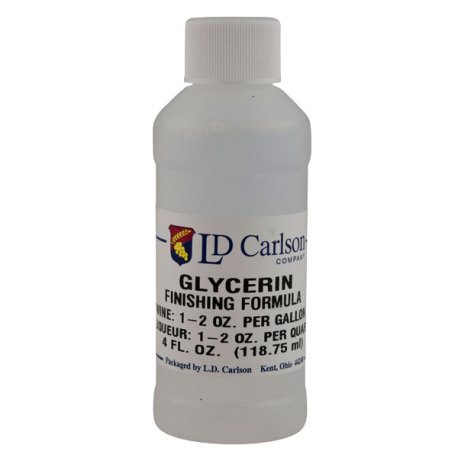
In several wine producing countries, it is illegal to add any type of glycerine to wine. Unfortunately, in the U.S., it is permitted. There is a huge difference between synthetic glycerine and vegetable glycerine. The synthetic type CAN be quite toxic. The vegetable version is very safe, but desirable as a wine additive? (discussion to follow below) 25,000 bottles were discovered and destroyed in Austria that were found to have synthetic glycerine added this year. The added substance in question was a trivalent alcohol that gives wine a higher viscosity and is harmless, but is forbidden by Austrian law. This synthetic glycerine was petroleum-based. Convictions and fines were the result. Sentences are not yet legally binding though. With Austria’s past, any chance of toxicity is serious bad form.

Wine Additives

Some of the additives listed below are illegal in certain countries, but most are permitted in the U.S. Although, we don’t get to know which are used in the wine we drink, BECAUSE WINE HAS BEEN EXEMPTED FROM USFDA FOOD LABELING REQUIREMENTS. What does this mean to you personally? Well, nothing here is outright dangerous, but don’t underestimate the impact on allergies, tolerances and such. For example, my wife has a known allergy to soy, others find they have limited tolerance to added sulfites, etc. In general, all of these can affect color, flavors, aromas and the viscosity of wine. Your reaction to this discussion might be: “but, these additives are only used in cheap wine”. You would be very wrong. This list is commonly used in all price categories.

Here is a short list of common wine additives:

  • Citric, Fumaric, Malic, Lactic and Tartaric acids – to acidify wine
  • Calcium Carbonate – to de-acidify wine
  • Oak and Oak Chips – to add tannin, flavors & aromas
  • Acetaldehyde – to stabilize color
  • Copper Sulfate – to eliminate sulfites and mercaptans (bad tastes/odors)
  • Sulfur Dioxide, Potassium Sorbate – to sterlize and preserve wine
  • Mega Purple – to add color and body
  • Tannin Powder – to add mouth-feel and make wine more ageable
  • Gum Arabic – to reduce astringency (tannin) in wine
  • Dimethyl Dicarbonate – to stabilize, sterilize and remove alcohol
  • Sugar, Saccharose, or Grape Juice Concentrate – to add sweetness also called “chaptalization”
  • Vegetable Glycerine – to add body and sweetness
  • Gelatin, Albumin (egg white), Bentonite, Casein – to remove haziness caused by free proteins
  • Water – to dilute over-concentrated wine
  • Engineered, Cultured Yeasts – to control the fermentation process (vs. wild yeasts)
  • Diammonium Phosphate – removes naturally occurring sulphur in wine
  • Protease – improves wine heat tolerance
  • Soy Flour – Feeds yeast to accelerate fermentation

Organic, Biodynamic and Natural Wine

All of this talk of additives has to lead your mind toward interventionist vs. non-interventionist winemaking philosophies. Have you considered the issue for your own wine consumption? Personally, I believe I can taste the difference in over-manipulated wines. Napa Valley producers in the low to medium price range have been utilizing these methods more of late. This is the key reason why my personal wine cellar has been moving towards a higher percentage of French and Italian wines, especially in the low-medium price ranges. France and Italy have very stringent wine laws regarding additives and in general, have winemaking cultures of less intervention. So, if you would like to address this issue, how can you know which U.S. wines to buy? It may be time for you to read the back label of that next bottle of wine… Wine in the U.S. can be “labeled” as organic, biodynamic, natural and sustainable… and can also be certified as such by a third party. Many U.S. wineries are implementing at least some of these practices. Here is what these terms mean:

  • Natural – Typically are made in a low-intervention style, fermented with native yeasts and contain only trace amounts of added sulfites. These wines are not filtered, or fined. This means they could contain particulates, or appear cloudy. Which is not necessarily a problem. These wines should have gone through the bare minimum of chemical, or winemaker intervention and are not often aged in oak. Wines produced with this approach may have limited stability and cannot be mass-produced, but are a different drinking experience, if you should choose to try them.
  • Organic – These wines fall into two categories: organic wine and wine made from organically grown grapes. Certified organic wines (USDA) have stricter regulations. Vineyards must not use synthetic fertilizers and all ingredients in these wines (including yeast) must be certified organic. No sulfites may be added, although naturally occurring is permitted. These wines will display the USDA organic seal.
  • Biodynamic – Unlike organic winemaking, biodynamic does not change between countries. When originally devised, the method had each day organized by fruit days (grape harvesting), root days (pruning), leaf days (watering) and flower days (vineyards to be untouched). Biodynamic practices are not required to follow this calendar, however. If you’ve seen biodynamic and organic wines grouped together at your wine shop, there is a reason. Biodynamic wines employ organic practices. They avoid pesticides and depend on compost, rather than chemical fertilizer. Therefore, the majority of these wines are also organic in practice. Certified biodynamic wines are permitted to contain up to 100 parts per million of sulfites, far more than the USDA certified organic wines. So, a wine that is organic is not necessarily biodynamic, although a wine that is biodynamic is often organic.
  • Sustainable – These wineries make an effort to utilize winemaking processes that protect the environment, support social responsibility, maintain economic feasibility, and are of high quality. This idea has less of a direct impact on the wine, but is an “eco-friendly” designation.

Here is a link to a page with detailed descriptions of all organic wine designations: https://organicvineyardalliance.com/organic-wine-definitions-behind-the-label/.

Comments Off on Austrian Wine Scandals

Filed under Wine Education, Wine Industry, Wine Marketing, Wine Tasting